China’s fiber optic cable market is enormous, but supplier choice should not become a popularity contest. The Ministry of Industry and Information Technology reported more than one billion fixed broadband users in China by 2024. Much of this growth depends on reliable optical infrastructure, not attractive catalogs alone.
The FTTH Council Global Ranking 2024 also shows China’s exceptional scale in fiber access deployment. Scale matters. However, it does not guarantee consistent quality from every manufacturer. This is where how to choose the right fiber optic cable becomes a practical engineering question. Buyers should compare fiber types, attenuation, bend radius, tensile strength, connector performance, factory testing, and after-sales support. IEC 60794 compliance and clear test documentation deserve attention. So do delivery records.
Jim Hayes, president of The Fiber Optic Association, has repeatedly emphasized, “Cleanliness is the most important factor in fiber optic installation.” His point is easy to underestimate. A perfect cable can still fail beside a dusty connector or careless splice.
This guide examines China’s top ten fiber optic cable suppliers through technical capability, manufacturing experience, certifications, project reliability, and export performance. Prices will be considered, but not worshiped. A cheaper reel may create higher installation losses, rework, or delayed commissioning. Some supplier claims also require closer inspection. Certifications can be valid yet incomplete. Product samples can look excellent while batch consistency remains uncertain. The right decision combines measurable evidence with field experience, realistic requirements, and a willingness to question impressive promises.
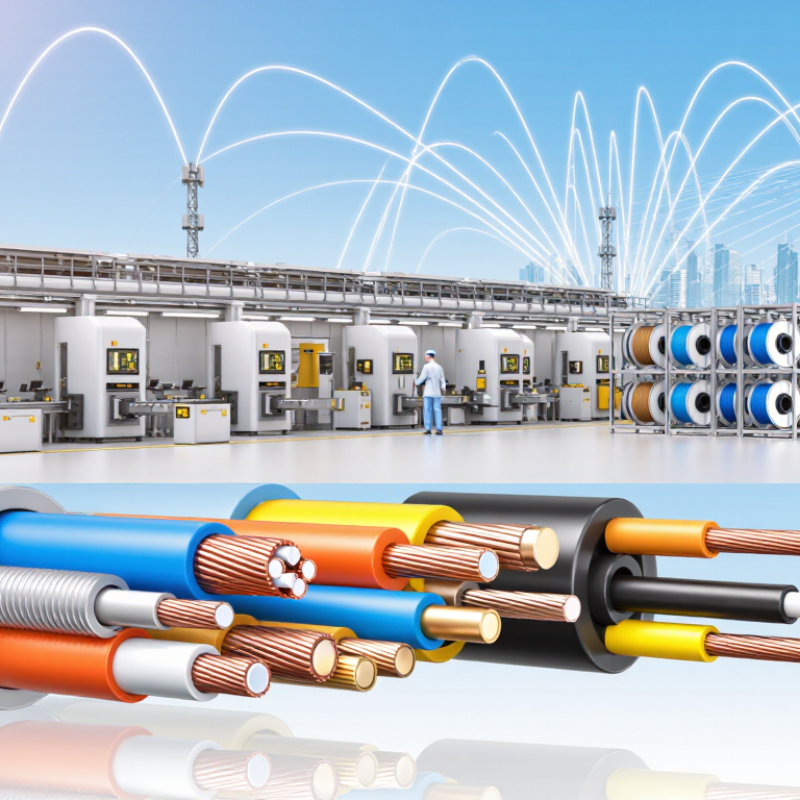
Fiber optic cables carry data as pulses of light through thin glass or plastic fibers. A core guides light, while cladding keeps it contained. Protective jackets guard against moisture, pulling force, and temperature changes.
The cable type must match the installation. Single-mode fiber suits long outdoor links and high-capacity networks. Multimode fiber often fits shorter building connections. Connector polish, bend radius, attenuation, and jacket rating can affect real performance. In a server room, a cable bent sharply behind a patch panel may pass inspection today and fail months later. Small details matter.
Supplier selection matters because specifications on paper do not prove consistent production. I look for clear datasheets, batch test reports, traceable materials, and samples tested under practical conditions. A reliable supplier should explain insertion loss, tensile strength, operating temperature, and delivery limits without hiding behind vague claims. Factory audits and independent test records add confidence. Field support also matters when a drum arrives with damaged packaging or an installation team needs a replacement quickly. Price remains important, but the cheapest quote can conceal poor tolerances, unstable lead times, or weak warranty terms. I have seen projects delayed by a supplier that answered quickly before payment, then slowly afterward. That experience changed my checklist. It is still imperfect. A careful buyer should question assumptions, verify every critical figure, and compare performance after installation, not only before purchase.
China’s top ten fiber optic cable suppliers should be judged by product strength, not advertising volume. The strongest suppliers usually specialize in different applications, including FTTH drop cables, loose-tube backbone cables, ADSS, OPGW, ribbon cables, and microduct systems. This matters because a rural aerial project needs different protection than a dense data center. Weather resistance, bend performance, tensile strength, and installation speed should guide the comparison.
In practical evaluations, check fiber uniformity, cable geometry, attenuation results, and sheath quality. Ask for test records from production batches, not only laboratory samples. Reliable factories normally provide IEC 60794 test data, quality-system certificates, and traceable raw-material records. Their production lines should include fiber coloring, stranding, sheathing, aging, and mechanical testing. Small details matter. A poorly sealed end can expose cable cores to moisture during transport.
The top ten may include suppliers with strong export experience, advanced automation, or deep project support. Some perform better with standard telecom cables, while others handle customized structures more effectively. This ranking can change as equipment, materials, and engineering teams change. I have found that delivery consistency sometimes matters more than impressive specifications. A supplier may offer excellent tensile strength but respond slowly to installation problems. That weakness deserves attention. Compare samples, factory capacity, lead times, warranty terms, and field references before choosing. Supplier claims should never replace independent verification.
Comparing Chinese fiber optic cable manufacturers requires more than checking a low quotation. Start with the cable structure, fiber type, jacket material, tensile strength, and operating temperature. Ask for complete technical datasheets, not copied product pages. A reliable supplier should explain testing methods and provide traceable results for attenuation, insertion loss, and water penetration.
Factory experience matters. Request production photos, equipment details, and a video inspection when an on-site visit is impossible. Check whether the manufacturer controls fiber storage, extrusion, stranding, and final packaging internally. Review certifications, calibration records, export experience, and quality procedures. Sample testing is essential. Bend the cable, inspect the markings, and compare measurements with the promised specification.
Do not trust speed alone.
I once treated a fast reply as proof of strong service. It was not. Ask how technical changes, damaged cartons, and delayed shipments are handled. Confirm minimum order quantities, sample fees, lead times, warranty terms, and documentation before payment. A clear contract should define acceptance standards and inspection responsibilities. Communication quality can reveal factory discipline, but it is not perfect evidence. Even careful buyers may overlook packaging weaknesses or inconsistent batch results. Keep a comparison sheet, record every promise, and reassess the supplier after each sample or production order.
| Profile | Typical Manufacturing Focus | Common Cable Types | Applicable Fiber Standards | Typical Fiber Count | Common Sheath Options | Quality Certifications Usually Required | Typical MOQ | Typical Production Lead Time | Evaluation Result |
|---|---|---|---|---|---|---|---|---|---|
| Supplier Profile 01 | Large-scale outdoor network cable production | ADSS, duct, direct-buried, aerial, figure-8 | ITU-T G.652.D; ITU-T G.657.A1/A2 | 2–288 fibers | PE, MDPE, HDPE, LSZH | ISO 9001; RoHS; REACH; IEC 60794 testing | 1–5 km per specification | 15–30 working days | Strong |
| Supplier Profile 02 | Telecommunication and FTTH access networks | Drop cable, mini ADSS, GJXH, GJXFH, distribution cable | ITU-T G.657.A1/A2; ITU-T G.652.D | 1–144 fibers | LSZH, PE, PVC, low-smoke halogen-free compounds | ISO 9001; CPR documentation where applicable; RoHS | 2–10 km per specification | 10–25 working days | Strong |
| Supplier Profile 03 | Data center and short-distance fiber assemblies | Indoor tight-buffer, breakout, patch cord, trunk cable | ITU-T G.657.A1/A2; IEC 60793-2-50 | 2–144 fibers | LSZH, PVC, plenum-rated compounds where specified | ISO 9001; IEC 61754 connector compatibility; RoHS | 100–500 assemblies | 7–20 working days | Strong |
| Supplier Profile 04 | Long-haul backbone and high-count cable systems | Ribbon cable, loose-tube, central-tube, OPGW-compatible designs | ITU-T G.652.D; ITU-T G.655; ITU-T G.657 | 48–864 fibers | PE, aluminum tape, steel tape, LSZH | ISO 9001; IEC 60794; Telcordia GR-20 testing | 5–20 km per specification | 25–45 working days | Strong |
| Supplier Profile 05 | Cost-sensitive domestic and regional projects | Outdoor loose-tube, duct, aerial, FTTH drop cable | ITU-T G.652.D; ITU-T G.657.A1 | 2–288 fibers | PE, HDPE, PVC, LSZH by order | ISO 9001; RoHS; routine mechanical and environmental tests | 3–10 km per specification | 12–28 working days | Good |
| Supplier Profile 06 | Industrial, railway, mining and harsh-environment cables | Armored, flame-retardant, rodent-resistant, oil-resistant cable | ITU-T G.652.D; ITU-T G.657; IEC 60794 | 2–288 fibers | PE, LSZH, steel-wire armor, aluminum armor | ISO 9001; IEC 60332; IEC 60754; IEC 61034 where specified | 2–8 km per specification | 20–40 working days | Strong |
| Supplier Profile 07 | Private-label and customized export orders | ADSS, FTTH, indoor, outdoor, hybrid power-fiber cable | ITU-T G.652.D; ITU-T G.657.A1/A2 | 1–288 fibers | PE, LSZH, PVC, customized jacket compounds | ISO 9001; RoHS; REACH; buyer-specific inspection plans | 1–5 km or 200–500 assemblies | 18–35 working days | Strong |
| Supplier Profile 08 | Pre-terminated and rapid-deployment network solutions | MPO/MTP trunk, breakout, patch cord, access terminal cable | ITU-T G.657.A1/A2; IEC 61754; IEC 61755 | 2–144 fibers | LSZH, PVC, plenum-rated materials where required | ISO 9001; insertion-loss and return-loss test reports; RoHS | 100–1,000 assemblies | 7–18 working days | Strong |
| Supplier Profile 09 | Municipal broadband and FTTH infrastructure | Microduct, blown fiber, drop, distribution and access cable | ITU-T G.657.A1/A2; ITU-T G.652.D | 1–288 fibers | PE, LSZH, low-friction outer sheath materials | ISO 9001; IEC 60794; dimensional and blowing-performance tests | 2–10 km per specification | 15–30 working days | Strong |
| Supplier Profile 10 | Small and medium customized cable batches | Indoor, outdoor, armored, simplex, duplex and specialty cable | ITU-T G.652.D; ITU-T G.657.A1; IEC 60793 | 1–96 fibers | PE, PVC, LSZH, TPU for specialty applications | ISO 9001; RoHS; product-specific factory test records | 0.5–3 km or 100–300 assemblies | 10–25 working days | Good |
Comparison basis: product specifications and procurement indicators commonly used for Chinese fiber optic cable sourcing. Actual MOQ, lead time, certification scope, testing capability and material selection should be verified through current technical datasheets, samples, factory audits and third-party inspection before purchasing.
When comparing China’s top ten fiber optic cable suppliers, quality claims need measurable evidence. Reliable suppliers should operate an ISO 9001 quality management system with controlled procedures and corrective actions. Their cable designs should match relevant IEC 60794 requirements and applicable ITU-T specifications. Ask for current certificates, not copied website images. A certificate matters only when its scope covers the exact cable family.
Experienced buyers should review attenuation results at 1310 and 1550 nm, connector end-face checks, and fiber-count records. Factory tests should include tensile loading, crush resistance, repeated bending, water penetration, and temperature cycling. Ask for test conditions, sample numbers, equipment calibration dates, and acceptance limits. A clear report shows more than a pass label. Traceability matters. Each reel should carry a production code linked to raw materials, operator records, and final inspection data. During a site visit, inspect storage areas. Look for sealed fiber, dry packaging, clean floors, and protected drums. Small details often expose weak process control.
Reliable suppliers also manage complaints through documented root-cause analysis and corrective action. Request references from projects with similar spans, installation methods, and climate exposure. Warranty language should define response times, testing responsibilities, and replacement procedures. Do not choose only by price. Field reports show that cheap cable can fail after rough pulling and winter contraction. Still, no audit predicts every field problem. One overlooked bend radius can defeat excellent factory testing. Leave room for verification before shipment, including an independent sample test. Quality is not a slogan. It is repeated evidence.
Choosing a Chinese fiber optic cable supplier should begin with your project, not a ranking list. Define the cable type, fiber count, installation environment, and required distance. A supplier experienced with outdoor routes may not suit data centers or industrial sites. Ask for technical datasheets, production photos, test procedures, and sample reels. Real evidence matters more than polished promises.
Check compliance with recognized standards and request recent test reports from independent laboratories. Confirm attenuation, tensile strength, bending performance, sheath material, and temperature ratings. Discuss delivery schedules, packaging, warranty terms, and after-sales support in writing. During my project reviews, small details often caused delays, especially unclear connector specifications and incomplete drawings. I still find supplier comparisons imperfect, because initial prices rarely show the full installation cost.
Tips: Send the same technical brief to every candidate. Compare samples under identical conditions. Ask how failed tests are handled. Verify whether replacement stock is available. Keep communication records. A factory visit can reveal cable storage problems, weak labeling, or inconsistent quality control. Do not rely only on certifications; inspect batch records and request a pre-shipment inspection. A low quote may be attractive, but it can become expensive when cables arrive late or require field replacement.
Recommended evaluation weights for selecting a fiber optic cable supplier according to project needs
Use these weights as a practical comparison framework rather than a ranking of individual companies. For most projects, product compliance, fiber and cable performance, quality consistency, delivery capability, and technical support should receive the greatest attention. Adjust the weighting when your project has specific requirements such as harsh-environment installation, high fiber counts, indoor deployment, or large-volume purchasing.
It carries data as light pulses through thin glass or plastic fibers. The core guides light, while cladding keeps it contained. Protective jackets resist moisture, pulling force, and temperature changes.
Single-mode fiber suits long outdoor links and high-capacity networks. Multimode fiber often fits shorter connections inside buildings. Distance and installation conditions matter.
Check connector polish, bend radius, attenuation, fiber count, and jacket rating. A sharply bent cable may pass inspection today but fail months later. Small details matter.
Request clear datasheets, batch test reports, material records, and sample results. Recent independent laboratory reports provide stronger evidence. Polished promises are not enough.
Send every candidate the same technical brief. Compare samples under identical conditions. Review attenuation, tensile strength, bending performance, sheath material, and temperature ratings.
A low price may hide weak tolerances, late delivery, or limited warranty support. Field replacement can add labor and downtime. The cheapest option is not always economical.
Request a pre-shipment inspection and review batch records. Check labeling, packaging, connector specifications, and cable drawings. Damaged packaging can signal handling problems.
Confirm replacement stock, delivery limits, warranty terms, and response procedures in writing. Support matters when a reel arrives damaged or installers need urgent replacements. My checklist is still imperfect.
Fiber optic cables are essential for transmitting large volumes of data quickly, securely, and over long distances, making supplier selection a key factor in network performance and project reliability. China offers a wide range of manufacturers with different strengths in single-mode and multimode cables, indoor and outdoor designs, customized assemblies, production capacity, and delivery support. Comparing suppliers should involve more than price; buyers should evaluate product consistency, technical expertise, testing procedures, customization capabilities, communication, and after-sales service.
Reliable suppliers should provide products that meet recognized international and industry quality standards, use stable raw materials, and maintain clear quality-control processes from fiber drawing to final packaging. To understand how to choose the right fiber optic cable, first define the application environment, transmission distance, capacity requirements, installation method, and budget. Then assess each supplier’s certifications, sample performance, production reliability, lead time, warranty terms, and ability to support future expansion. A balanced evaluation will help buyers select a dependable partner and reduce long-term network risks.

XT Cabled