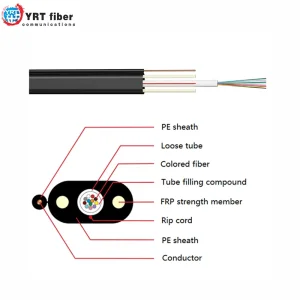
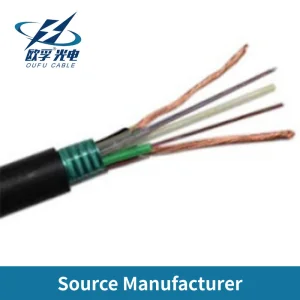
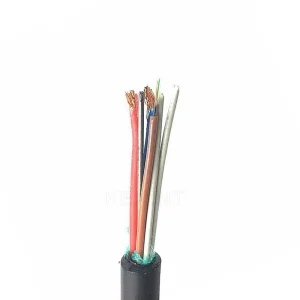
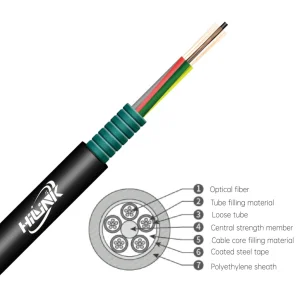
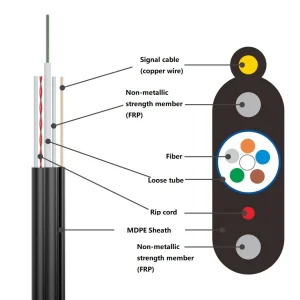
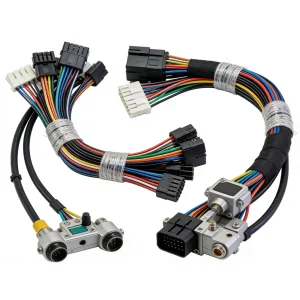
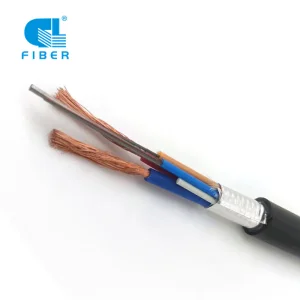
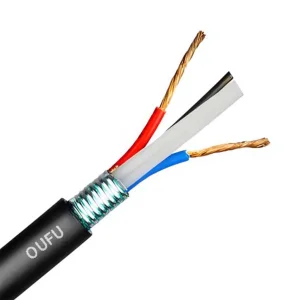
In the era of 5G expansion and the Industrial Internet of Things (IIoT), the demand for Hybrid Fiber Cables (HFC), also known as photoelectric composite cables, has reached an unprecedented peak. Unlike traditional cabling, hybrid cables integrate high-bandwidth optical fibers with copper power conductors within a single protective jacket. This dual-functionality addresses the critical challenge of providing both ultra-fast data transmission and remote power supply to edge devices.
The global hybrid fiber cable market is projected to grow at a CAGR of 8.5% through 2030. Key drivers include the deployment of Small Cells for 5G, where power and data must reach locations without existing electrical infrastructure. North American and European markets are increasingly adopting HFC for smart city initiatives and rural broadband expansions.
In industrial environments, hybrid cables simplify the architecture of automated production lines. By combining power and control signals, factories reduce installation time by up to 50% and minimize the physical footprint of cable trays, facilitating more flexible and scalable manufacturing setups.
Remote Radio Heads (RRH) on cell towers are the primary beneficiaries. HFC allows operators to run a single cable up the tower to provide DC power and fiber connectivity to the equipment, significantly reducing wind load and lease costs while improving reliability.
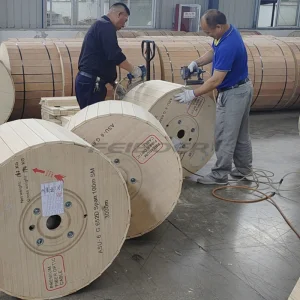
Dongguan XT Cabled Co., Ltd., located in the heart of China's manufacturing hub, exemplifies the efficiency advantages that Chinese factories offer to the global market. The concentration of the supply chain in Guangdong Province allows for rapid prototyping, sourcing of high-purity copper, and advanced optical glass manufacturing all within a small geographic radius.
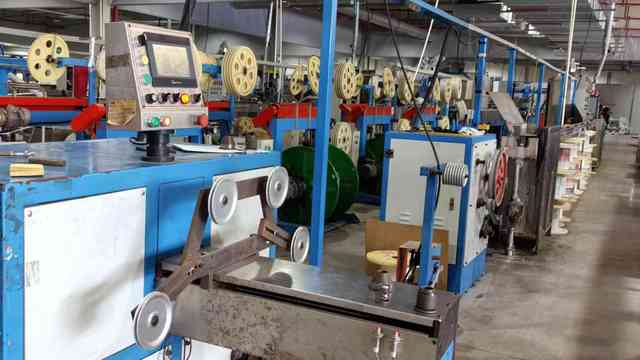
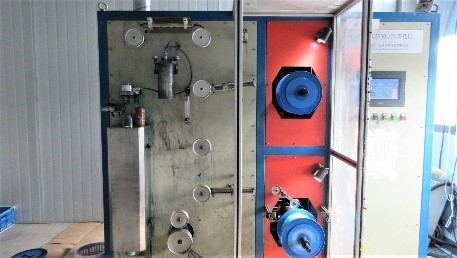
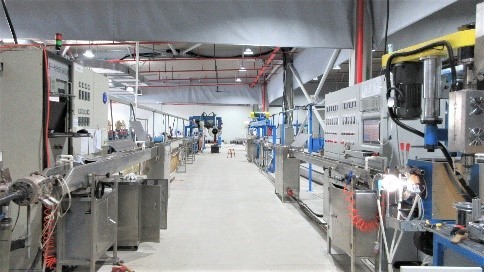
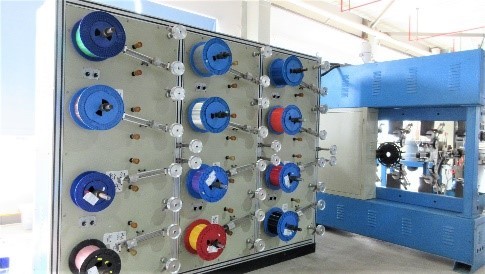
China's advantage isn't just about cost—it's about Integration and Scale. XT Cabled operates advanced production lines that utilize automated secondary coating and stranding processes, ensuring that the tension between the delicate fiber and the heavier copper conductors is perfectly balanced. This precision prevents signal attenuation and mechanical failure, meeting the rigorous standards required by international telecom giants.
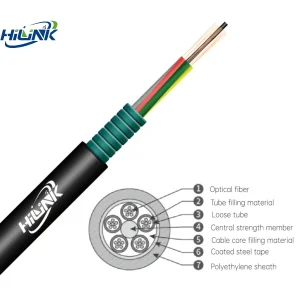
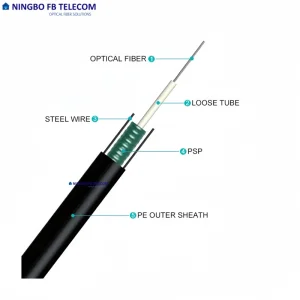
Modern long-distance security systems require both power for high-definition PTZ cameras and fiber for lag-free video streams. Our GDTS Hybrid Cables are designed for outdoor environments, providing lightning protection and moisture resistance for critical infrastructure monitoring.
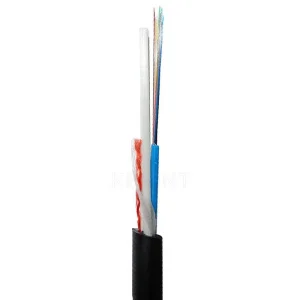
For rural "Fiber to the Premise" projects, locatable hybrid cables (Toneable Unit Tubes) allow technicians to find buried cables easily while providing a power-ready path for future active network elements at the subscriber's end.
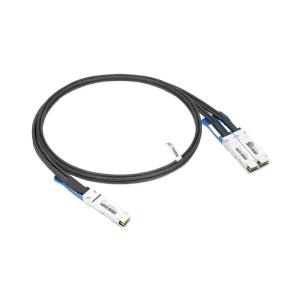
Within large-scale data centers, hybrid modules like the QSFP56 to 2X100GBE facilitate high-density power distribution alongside massive data throughput, optimizing thermal management and cable management overhead.
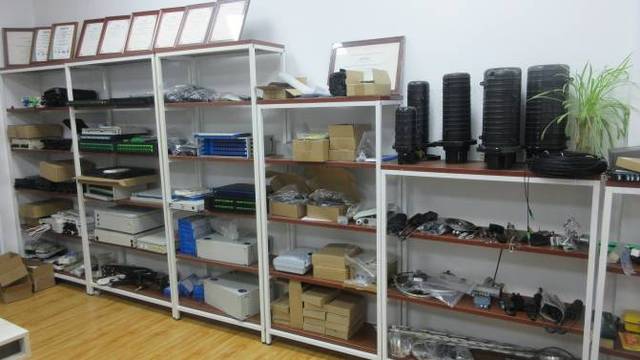
Established in 2012, Dongguan XT Cabled Co., Ltd. has grown into a cornerstone manufacturer of optical connectivity. Our facility in Dongguan is a testament to modern engineering, where we produce everything from single-mode and multi-mode cables to complex customized armored solutions.
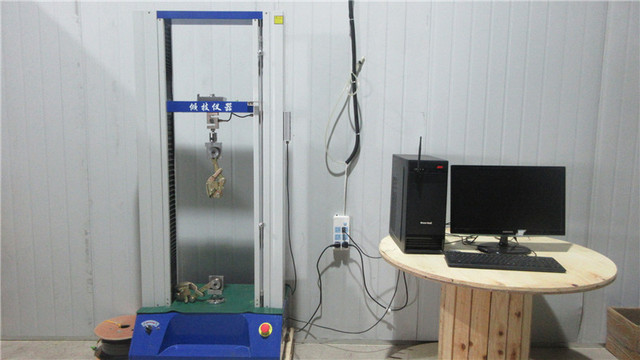
Our commitment to E-E-A-T (Experience, Expertise, Authoritativeness, and Trustworthiness) is reflected in our strict quality management. Every meter of cable undergoes rigorous testing—including tensile strength, crush resistance, and optical attenuation checks—before it reaches our customers in North America, Europe, and beyond. We provide comprehensive OEM/ODM services, allowing global enterprises to specify cable structures that meet unique local environmental challenges.
 XT Cabled