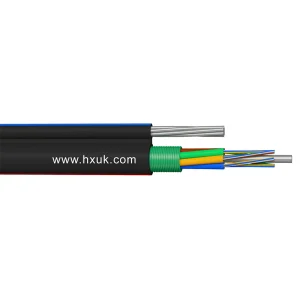
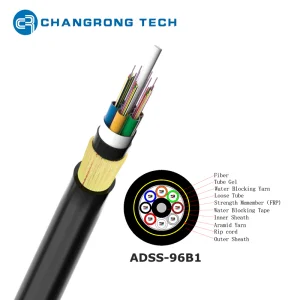
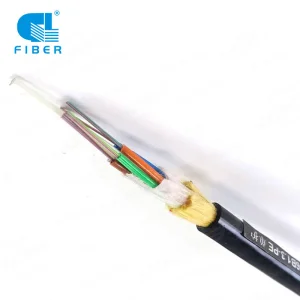
As the digital era accelerates toward 5G ubiquity and the dawn of 6G connectivity, the demand for robust Aerial Fiber Optic Cables has reached an all-time high. Unlike underground ducting which requires massive civil engineering costs and time, aerial installation offers a cost-effective, rapid-deployment solution for ISPs, power utilities, and municipal governments worldwide. This document explores the technical intricacies, procurement landscapes, and future trajectories of aerial optical networks.
Integrating fiber-to-the-antenna (FTTA) and surveillance systems via existing utility poles to reduce urban disruption.
Leveraging OPGW and ADSS cables to facilitate smart grid monitoring and high-speed data transmission for power companies.
Bridging the digital divide in developing regions where terrestrial terrain makes trenching economically unfeasible.
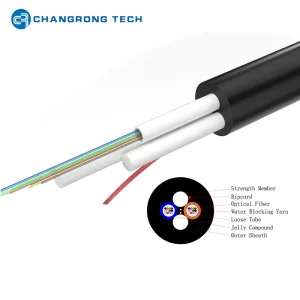
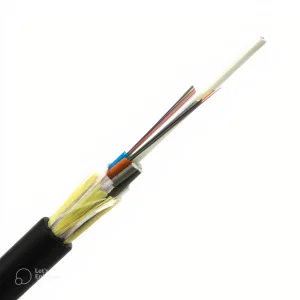
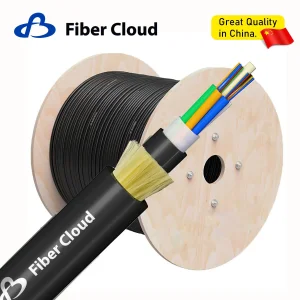
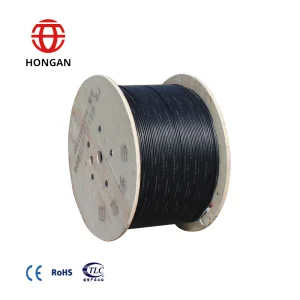
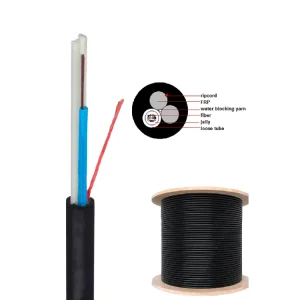
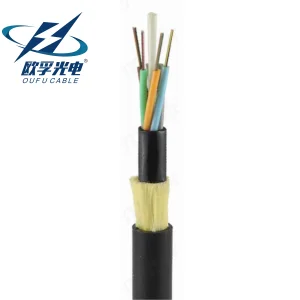
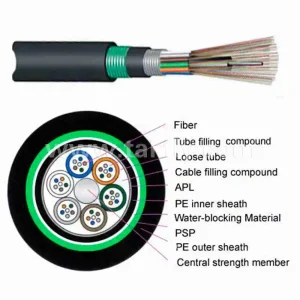
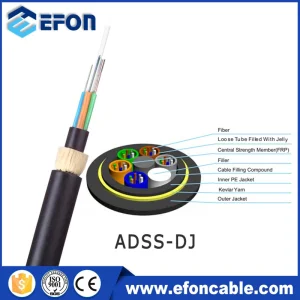
Understanding the architectural differences between All-Dielectric Self-Supporting (ADSS) and Figure-8 (Metallic) cables is critical for procurement managers. ADSS cables are designed to be entirely non-metallic, making them immune to electromagnetic interference (EMI) and ideal for installation on high-voltage transmission lines. They utilize high-modulus Aramid yarn (Kevlar) as the primary strength member to withstand tension and environmental loads.
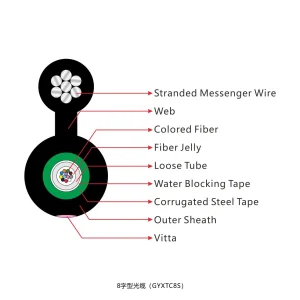
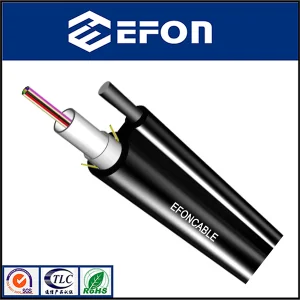
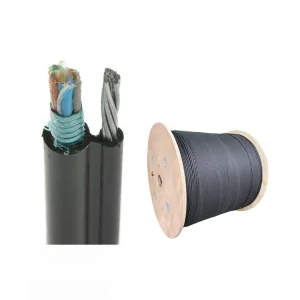
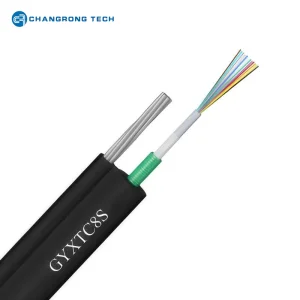
Conversely, Figure-8 cables like the GYTC8S utilize a built-in messenger wire (usually stranded steel). This design simplifies the installation process as the cable and messenger are deployed in a single pull. However, they require proper grounding due to their metallic components. Choosing between them depends on the "Span Length" (the distance between poles), the "Sag" requirements, and the local climate factors such as wind speed and ice accumulation.
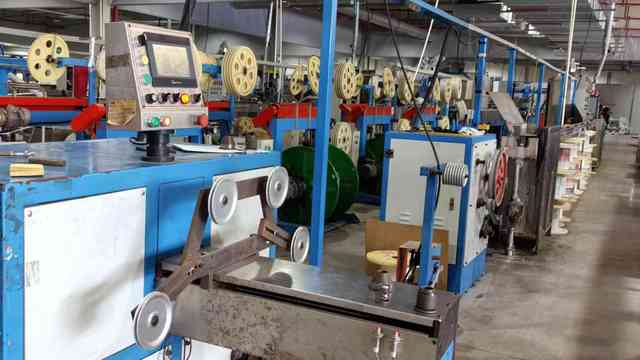
Dongguan XT Cabled Co., Ltd. stands as a beacon of precision in the fiber optic manufacturing industry. Located in the heart of China’s manufacturing hub, our 12,000-square-meter facility is equipped with state-of-the-art extrusion lines and testing labs that ensure every meter of cable exceeds international standards (IEC, IEEE, and TIA/EIA).
With a dedicated workforce of 180+ professionals, we specialize in high-core count solutions (up to 288 cores) and long-span ADSS cables capable of spanning over 500 meters in extreme environments. Our commitment to E-E-A-T principles is reflected in our rigorous material sourcing—using only premium optical fibers (G.652D, G.657A1) and high-quality Aramid yarns.
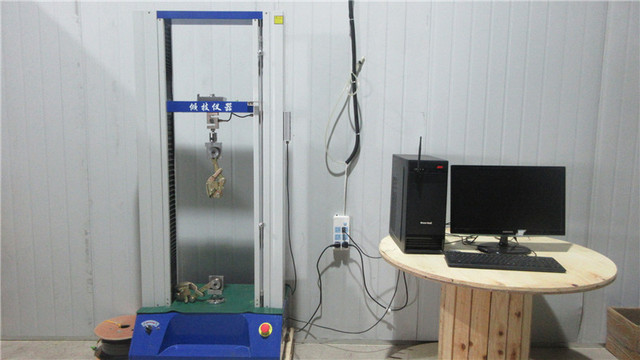
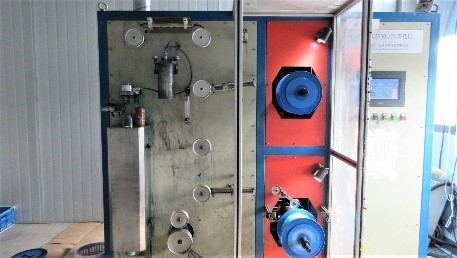
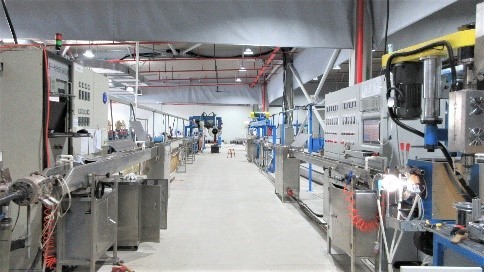
Procuring aerial fiber optic cables on a global scale requires more than just a purchase order; it demands an understanding of regional compliance and logistics. XT Cabled provides comprehensive support for Tier-1 telcos and distributors across North America, Europe, Southeast Asia, and the Middle East.
Adherence to IEEE 1222 for ADSS and IEC 60794 for general optical cables, ensuring safety and longevity in diverse environmental conditions.
From custom jacket printing and color coding to specialized aramid yarn densities for high-wind zones, we tailor products to your RFP specs.
Strategic manufacturing in Dongguan allows for rapid sea freight through Shenzhen and Guangzhou ports, minimizing project delays.
The future of aerial cabling is shifting toward "Ultra-High Density" and "Sustainability." We are currently developing fiber cables with reduced diameters (Micro-ADSS) that allow for higher fiber counts within the same weight profile, reducing the load on aging utility poles. Furthermore, we are exploring bio-based polymers for outer jackets to minimize the environmental footprint of global network expansions.
In the next five years, we anticipate a massive surge in Self-Healing Networks where aerial fibers are integrated with sensor technologies to detect strain and fatigue in real-time, allowing for predictive maintenance before a break occurs. This is the "Smart Aerial" evolution.
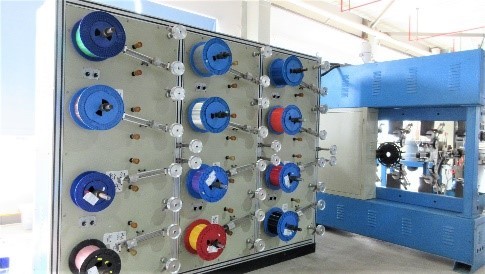
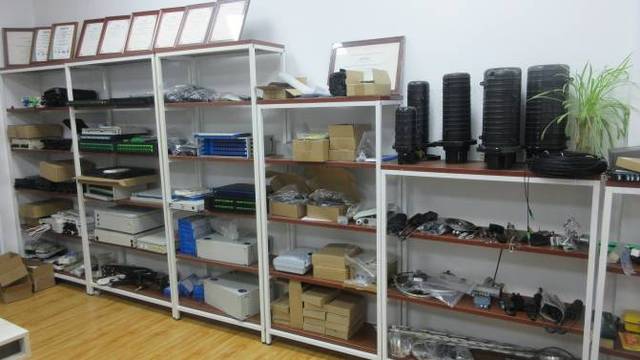
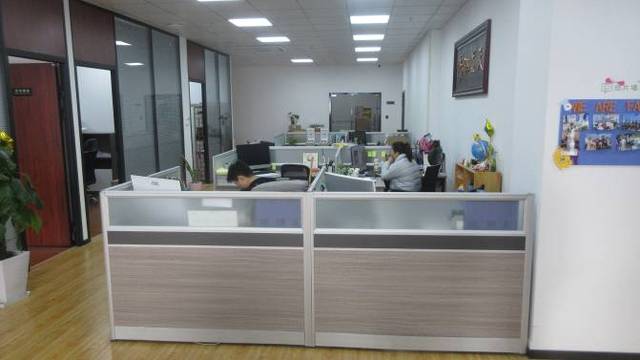
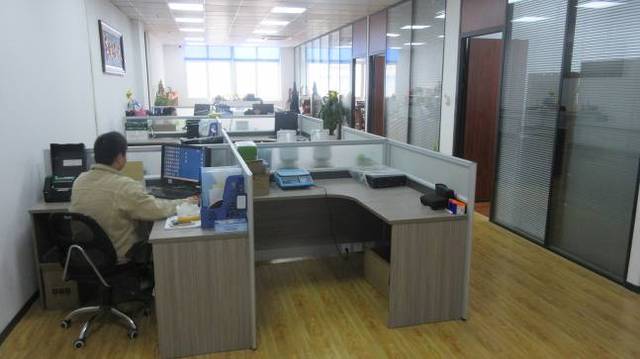
 XT Cabled