7 Common Causes of Fiber Optic Signal Loss Explained

Time:2026-06-19 Author:Liam
0%

Fiber optic technology is pivotal in modern communication. However, issues arise in the form of signal loss. Understanding what causes fiber optic signal loss is crucial for maintaining optimal performance. Many factors contribute to this problem. Some causes are physical, while others relate to installation and environmental conditions.

Common causes include bends in the fiber, connector issues, and impurities in the fiber itself. A tight bend can significantly reduce light transmission. If connectors are dirty or poorly aligned, it impacts signal quality. Environmental factors, like temperature changes, also play a role. These nuances highlight the complexity of fiber optic systems.

The challenge lies in diagnosing these issues effectively. With experience and proper knowledge, identifying the root cause becomes manageable. Nevertheless, not all problems are easy to fix. For instance, hidden imperfections can undermine even the most robust installations. Hence, understanding the intricate details of fiber optic signal loss can empower users to achieve more reliable communication solutions.
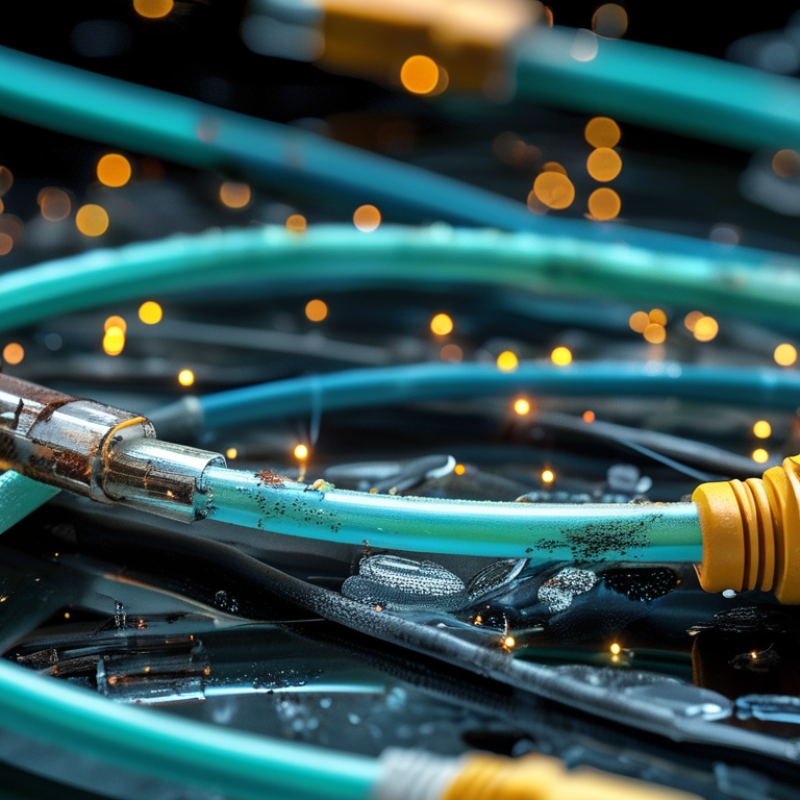
7 Common Causes of Fiber Optic Signal Loss Explained

Understanding Fiber Optic Signal Loss: An Overview

Fiber optic signal loss can significantly impact communication systems. Understanding the common causes of this loss is essential for maintaining effective networks. Physical factors like bends, cuts, and poor connections can lead to decreased signal strength. These issues often arise from improper installation practices. It's crucial to recognize that even small defects can result in significant signal degradation.

One tip for mitigating signal loss is to regularly inspect fiber connections. Ensure that connectors are clean and free from debris. A dirty connector can absorb or scatter light, diminishing signal quality. Also, ensure fibers are not excessively bent or twisted. Sharp bends often lead to macro-bending losses, which are hard to detect but can be critical.

Another important aspect is to use the right tools during installation. Opt for precision cleavers and fusion splicers. While investing in quality tools may seem costly, they often pay off in reduced signal loss. Signal loss can also occur during environmental changes, like temperature fluctuations. Keeping equipment in well-regulated environments can prevent unexpected losses.

Key Factors Contributing to Fiber Optic Signal Attenuation

Fiber optic signal attenuation can stem from several key factors. One major contributor is improper installation. If fibers are bent or twisted beyond their limits, it can create significant signal loss. Connection points also play a crucial role. Dirty or poorly made connectors can hinder the optical signal's strength. This situation often goes unnoticed until testing reveals excessive loss.

Environmental factors can also lead to signal degradation. Humidity and temperature fluctuations affect fiber performance. Water ingress can damage the insulation, causing further issues. Over time, fiber cables exposed to harsh weather may degrade, resulting in increased signal loss. Additionally, fiber age and wear can cause hidden problems. Regular checks are essential to maintain optimal performance, yet many neglect this.

Understanding and addressing these factors can help mitigate signal loss. Educating users about proper maintenance is vital for system reliability. The complexity of fiber optics requires attention to detail in both installation and ongoing care. Small oversights can lead to larger issues, which may disrupt communication networks.

7 Common Causes of Fiber Optic Signal Loss Explained - Key Factors Contributing to Fiber Optic Signal Attenuation

Cause of Signal Loss Description Impact on Signal Mitigation Strategies
Connector Loss Loss occurring at fiber connectors due to misalignment or contamination. Can cause a significant drop in signal strength. Regular cleaning and proper installation technique.
Bend Loss Loss caused by bending the fiber cable beyond its minimum bend radius. Leads to increased attenuation and reduced performance. Use of bend-resistant fibers and careful routing.
Splice Loss Loss that occurs during fusion or mechanical splicing of fibers. Can contribute to overall attenuation if not done well. Skilled technicians and quality splicing methods.
Microbending Loss Loss caused by microscopic bends or pressure on the fiber. Can lead to intermittent signal drops. Proper cable management and avoiding tight bends.
Attenuation Reduction in signal strength over distance due to material absorption. Natural and unavoidable characteristic of fibers. Use of low-attenuation fibers and amplifiers.
Water Ingress Loss due to moisture entering the fiber cable. Can severely damage fiber and affect performance. Proper sealing and using water-blocking materials.
Temperature Variations Loss related to temperature changes affecting fiber properties. Can cause increased attenuation and signal fluctuation. Temperature-controlled installations and materials.

Impact of Connector Quality on Signal Integrity

Connector quality plays a crucial role in the performance of fiber optic systems. Poorly made connectors can introduce significant signal loss. This loss often results from misalignment or contamination. Even small particles can disrupt the optical path, leading to degraded signal integrity.

Consider inspecting connectors regularly. Simple cleaning can prevent major issues. Use appropriate cleaning tools to ensure optimal performance. Misalignment can occur due to improper installation, which affects the overall system's efficiency. This can be a costly oversight, as it may require reinstallation or replacement.

Quality materials should be a priority in connector selection. They ensure better durability and signal transmission. Additionally, understanding the environmental conditions is essential. Exposure to moisture or dust can lead to degradation. Evaluate the installation environment to avoid potential signal loss. Maintaining high standards in both connectors and practices is key to optimal fiber optic performance.

The Role of Bends and Curves in Fiber Optic Cables

Bends and curves in fiber optic cables can significantly impact signal loss. When the cable bends too sharply, light signals may not pass through optimally. Data suggests that a bend radius less than 10 times the cable's diameter can lead to high attenuation, often resulting in 0.5 dB or more signal loss. This is crucial for networks requiring minimal signal degradation.

Proper installation is vital to mitigate these issues. Ensure that installations adhere to manufacturer guidelines regarding bend radius. Inspecting the installation site for proper routing can prevent future signal problems. Regular audits of cable paths can help detect excessive bends or tight curves that may have formed over time.

Tip: During installation, use dedicated fiber management systems to maintain appropriate bends. Keep an eye on environmental factors that might pressure cables into tighter curves. They may not seem like an immediate issue, yet over time, they can cause substantial signal degradation that is costly to fix. Continuous monitoring is essential.

Environmental Influences on Fiber Optic Signal Performance

Environmental factors significantly impact fiber optic signal performance. Temperature fluctuations can affect the material properties of the fiber. High heat may soften the fiber, while extreme cold can make it brittle. It's essential to consider these conditions when installing fiber optic cables outdoors. Exposure to harsh weather can lead to wear and tear, reducing efficiency over time.

Moisture is another critical factor. Water ingress can create problems, especially in underground installations. It can cause signal degradation and increase the risk of electrical interference. Even small amounts of moisture can have a profound effect. Additionally, UV radiation from sunlight can degrade fiber optic components, compromising their integrity.

Dust and other particulates may accumulate in connectors and ports. Regular maintenance is necessary to prevent signal loss. Yet, many overlook this routine check. Ignoring these environmental influences can lead to costly downtimes. Understanding how these factors interplay with cable performance is vital for reliable communication systems.

FAQS

: What causes fiber optic signal loss?

: Physical factors like bends, cuts, and poor connections can reduce signal strength.

How can I minimize signal loss?

Regularly inspect fiber connections. Clean connectors to avoid light absorption and scattering.

Why is connector quality important?

Poorly made connectors can introduce significant signal loss due to misalignment or contamination.

How can I maintain my fiber optic system?

Inspect connectors regularly and use appropriate cleaning tools. This helps ensure optimal performance.

Can environmental conditions affect signal loss?

Yes, temperature fluctuations and exposure to moisture or dust can lead to significant signal degradation.

What tools should be used during installation?

Using precision cleavers and fusion splicers is recommended for quality installation and reduced signal loss.

How can installation practices impact performance?

Improper installation can cause misalignment, leading to costly signal integrity issues.

What is macro-bending loss?

Sharp bends in fiber can lead to macro-bending losses, which are hard to detect but critical.

Why is cleanliness important for connectors?

Dirty connectors can absorb or scatter light, deteriorating signal quality significantly.

Do high-quality materials make a difference?

Yes, quality materials in connectors offer better durability and enhance signal transmission efficiency.

Conclusion

Fiber optic signal loss is a critical issue that can significantly affect communication performance. Understanding what causes fiber optic signal loss requires an examination of several key factors. Signal attenuation can arise from various conditions, including the quality of connectors, which can impede signal integrity if poorly manufactured. Additionally, the physical layout of fiber optic cables, particularly bends and curves, can lead to increased loss as light is redirected.

Environmental factors also play a vital role in fiber optic performance. Conditions such as temperature fluctuations, moisture, and mechanical stress can impact the signals transmitted through fiber optics. By addressing these factors, technicians can better manage fiber optic systems and reduce signal loss, ensuring more reliable data transmission. Understanding these contributors is essential for maintaining optimal fiber optic communication systems.

Liam

Liam

Liam is a dedicated marketing professional with a profound expertise in the industry, where he excels at highlighting the unique advantages of our core products. With a keen understanding of market trends and consumer needs, Liam frequently updates our company’s professional blog, providing......