In today’s digital age, maintaining a fiber optic network is crucial. Reliable statistics reveal that fiber optic networks can transmit data at speeds of up to 1 Gbps, significantly surpassing traditional copper networks. However, network downtime can lead to considerable financial losses, averaging $5,600 per minute for businesses. Understanding how to maintain a fiber optic network is essential for ensuring continuous service and optimal performance.
Regular inspections and preventive maintenance are key strategies. According to industry reports, neglecting these practices can increase failure rates by up to 30%. Keeping detailed records of maintenance activities is also critical. This habit fosters accountability and provides insight into recurring issues. Additionally, staff training on fiber optics can enhance network reliability. Research indicates that well-trained technicians can resolve problems 25% faster, minimizing disruption.
Yet, it's important to acknowledge that not all systems are perfect. Environmental factors such as temperature fluctuations or physical damage can lead to unexpected outages. In this context, adopting proactive measures allows for early detection of potential failures. Hence, knowing how to maintain a fiber optic network is not just beneficial—it's imperative for today's tech-driven organizations.
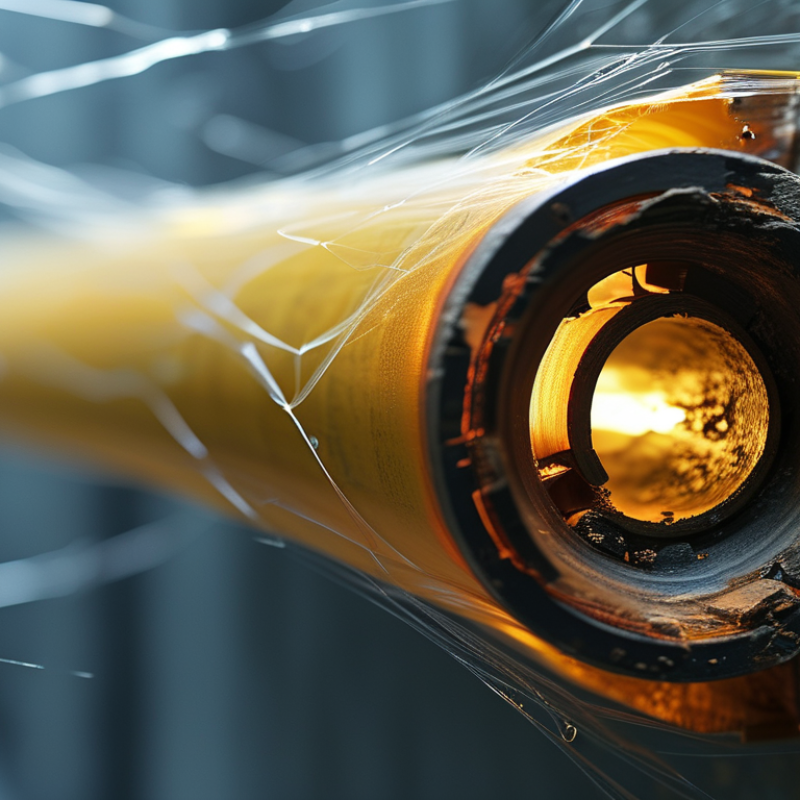
Fiber optic networks rely on various components that ensure efficient transmission of data. The most critical part is the fiber optic cable itself, which consists of a core surrounded by cladding. This design allows light signals to travel long distances with minimal loss. According to the Fiber Optic Association, a well-maintained fiber optic cable can achieve a data transmission rate of over 100 Gbps.
In addition to cables, connectors play a vital role in establishing a stable network. They link cables to different devices or networks. Poorly installed connectors can result in significant signal loss, affecting overall performance. Reports from industry leaders indicate that even a 0.3 dB loss at these points can drastically reduce signal quality. Regular inspection of connectors is essential for quality assurance.
Other components include switches and routers, which manage data paths. These devices should be carefully monitored for firmware updates and performance issues. Ignoring regular maintenance can lead to unexpected outages and slowdowns. A recent study highlighted that 75% of network downtime is attributed to overlooked network components. Effective management involves understanding each part's role and ensuring optimal function.
Regular inspection of fiber optic networks is crucial. Studies show that 70% of network failures are due to undetected issues. This highlights the importance of a proactive approach. Regular inspections can identify potential problems like fiber damage or connector faults before they escalate.
Visual checks should include verifying cable integrity, connection stability, and ensuring that protective conduit remains intact. A recent industry report indicated that 40% of downtime could be prevented with routine maintenance. This includes cleaning connectors and checking for any signs of wear and tear. Neglecting these inspections often leads to unforeseen outages and costly repairs.
Moreover, implementing advanced monitoring systems can enhance early detection. These systems can alert technicians to abnormal signals in real-time. However, many organizations still rely on outdated methods. With rapid technological advancement, staying current is vital. Regular audits can reveal whether your inspection methods are effective. It’s essential to approach maintenance with a mindset of continuous improvement. Be open to reassessing your strategies.
This bar chart illustrates the relationship between the frequency of network inspections and the percentage of potential issues detected in a fiber optic network. Regular inspections are crucial for identifying potential problems early, which can significantly reduce downtime and maintenance costs.
Cleaning fiber optic connectors and cables is essential for network performance. Dust, dirt, and oils can disrupt the signal. Regular maintenance prevents costly downtime. A simple visual inspection should be your first step. Check for debris or damage before handling connectors.
Using the right cleaning tools is crucial. Opt for lint-free wipes and specialized cleaning solutions. Avoid paper towels or rough materials, as they can scratch surfaces. Use a simple technique: wipe from the center outward. This ensures a thorough clean without pushing dirt back into the connector.
If you notice persistent issues, re-evaluate your cleaning methods. Are you being thorough enough? Consider frequency. More frequent cleaning may be needed in dusty environments. Remember, consistency is key. Even small amounts of contamination can lead to significant data loss. Keeping a record of maintenance activities can also provide insight into trends and necessary adjustments in your cleaning strategy.
Monitoring the performance of a fiber optic network is crucial for optimal operations. Utilizing tools that track bandwidth usage, latency, and packet loss can provide valuable insights. Regular assessments help identify issues before they escalate. Anomalies in performance may signify underlying problems like fiber cuts or faulty connectors.
Network management systems play an essential role in monitoring. These systems can automate data collection, offering real-time feedback. It’s vital to set performance benchmarks to assess network health effectively. Sometimes, the data can be overwhelming, leading to analysis paralysis. Prioritizing metrics based on your network’s needs is key to meaningful monitoring.
Documentation of network changes is another critical aspect. Recording alterations helps in troubleshooting future issues. While most tools provide significant data, humans still need to interpret this information carefully. The challenge lies in distinguishing between normal fluctuations and actual network failures. Testing and refining your monitoring processes regularly is essential for maintaining reliability.
Planning for future upgrades and maintenance of your fiber optic network is crucial. Networks evolve rapidly. Understanding current and future needs can save time and resources. Regular assessments should be a part of your strategy. Evaluate the network’s performance frequently to identify potential issues. Look for signs of wear or outdated technology.
Consider scalability when designing your network. Anticipate growth in users and data traffic. Ensure your infrastructure can handle increased loads over time. For instance, plan for additional cables or switch components. This can mitigate drastic changes later. It’s essential to keep documentation updated. Track changes meticulously to facilitate troubleshooting and upgrades.
However, don't overlook the importance of training staff. A knowledgeable team can maintain the network more effectively. Encourage continuous learning about new technologies. Foster an environment where feedback is welcomed. This way, issues can be addressed promptly. Frequent reviews of maintenance practices should also happen. A network is always a work in progress, and neglect may lead to performance drops. Balancing immediate fixes with long-term planning is key.
: Cleaning is essential for network performance. Dust and oils can disrupt signals, leading to downtime.
Use lint-free wipes and specialized solutions. Avoid paper towels, as they can scratch surfaces.
Wipe from the center outward. This technique prevents pushing dirt back into the connector.
Re-evaluate your cleaning methods. Consider if you are thorough and the cleaning frequency.
Utilize tools that track bandwidth, latency, and packet loss. Regular assessments help identify issues.
Documentation aids in troubleshooting. It provides a record for future issues and maintenance needs.
Regularly assess performance and anticipate growth. Plan for increased loads and update documentation.
A knowledgeable team can maintain the network better. Continuous learning about new technologies is vital.
Frequent reviews of maintenance practices are essential. Ensure ongoing assessments to avoid performance drops.
Maintaining a fiber optic network requires a comprehensive approach to ensure optimal performance and longevity. To understand how to maintain a fiber optic network effectively, one must first familiarize themselves with the various components and their functions. Regular inspections play a critical role in identifying potential issues before they escalate into significant problems. Cleaning fiber optic connectors and cables is equally important, as dirt and debris can lead to signal loss and degradation.
Utilizing the right monitoring tools and techniques allows for ongoing assessment of network performance, enabling timely adjustments and troubleshooting. Additionally, planning for future upgrades and maintenance needs ensures the network can adapt to evolving demands, maintaining efficiency and reliability in the long run. By following these essential tips, network administrators can uphold a robust fiber optic infrastructure.

XT Cabled