In today's digital world, network reliability is crucial for businesses and individuals alike. One technology that plays a pivotal role in enhancing this reliability is fiber optic cable. Many are curious about how does fiber optic cable improve network reliability. Fiber optics transmit data using light, making them faster and less prone to interference than traditional copper cables.
In the realm of telecommunications, fiber optic systems have become the gold standard. They offer higher bandwidth and longer transmission distances. This means fewer dropouts and interruptions in service. The physical properties of fiber make it immune to electromagnetic interference. This reduces the chances of data loss or corruption, an essential factor for businesses relying on consistent connectivity.
Interestingly, the installation of fiber optics can be challenging. It requires specialized skills and equipment, which not all technicians possess. This highlights the need for trained professionals to ensure proper setup. Despite its advantages, challenges in maintenance can also arise. However, the long-term benefits in reducing downtime and improving service quality cannot be overstated. The enhancements in network reliability provided by fiber optics are significant, paving the way for a more connected future.
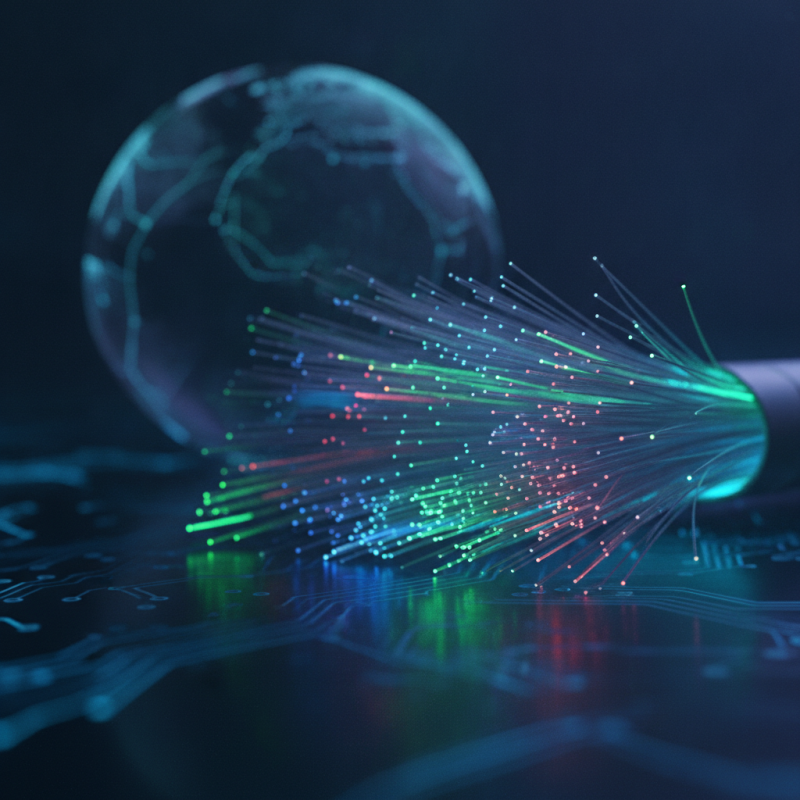
Understanding Fiber Optic Cables and Their Construction
Fiber optic cables are a remarkable advancement in network infrastructure. Their construction consists of thin strands of glass or plastic that transmit data using light signals. This design allows for higher bandwidth and faster data transfer rates compared to traditional copper cables. According to a report by the International Telecommunication Union, fiber optics can achieve speeds up to 1 Gbps and beyond, significantly enhancing network capacity.
The structure of fiber optic cables contributes to their reliability. They are less susceptible to electromagnetic interference. This is crucial in environments with heavy electronic equipment. Additionally, fiber optic cables have a lower attenuation rate, meaning signal loss over distances is minimal. A study published by the Fiber Optic Association indicated that fiber optics have a signal loss of only 0.2 dB/km, while copper experiences much higher rates.
However, despite their advantages, fiber optic installations can be complicated and costly. The installation process requires specialized skills and equipment. There is also a risk of damage if not handled properly. As a result, organizations often face challenges when transitioning to fiber networks. Balancing cost and technological benefits remains a critical aspect of modern network planning.
How Does Fiber Optic Cable Enhance Network Reliability?
| Dimension |
Details |
| Signal Integrity |
Fiber optic cables minimize signal loss and maintain high-quality data transmission over longer distances compared to copper cables. |
| Interference Resistance |
They are immune to electromagnetic interference, ensuring stable communications in noisy environments. |
| Durability |
Fiber optic cables are more durable and less susceptible to physical damage than traditional copper cables. |
| Bandwidth Capacity |
They offer significantly higher bandwidth, supporting increased data rates and more users without compromising service quality. |
| Longevity |
Fiber optics have a longer lifespan, which contributes to reduced maintenance costs and improved overall reliability of network infrastructures. |
| Scalability |
Easy to scale as network demands grow, accommodating additional users and devices without significant upgrades. |
The Role of Light Transmission in Network Performance
Fiber optic cables have revolutionized network performance through their unique approach to light transmission. Unlike traditional copper cables, fiber optics transmit information using light pulses. This method offers significant benefits in terms of speed and reliability. When light travels through fiber, it encounters less interference. This leads to fewer signal losses. As a result, networks can maintain higher speeds over longer distances.
The role of light transmission cannot be overstated. It ensures data moves quickly and efficiently, making it integral to modern communication. The clarity of the signal in fiber optics reduces errors. However, challenges remain, such as the need for precise installation. Faulty connections can still disrupt performance. This highlights the importance of proper handling during installation and maintenance.
Additionally, while fiber optics provide enhanced reliability, the technology is not infallible. External factors like physical damage can affect performance. Network administrators need to monitor systems diligently. Understanding these factors is crucial for maintaining optimal network performance. As we continue to rely on this technology, ongoing education and technical skill development will be vital for addressing any potential issues.
Comparing Fiber Optic and Traditional Copper Cables
Fiber optic cables represent a transformative advancement over traditional copper cables. Unlike copper wires, fiber optics utilize light to transmit data. According to industry experts, fiber optic cables can support data rates exceeding 1 Gbps over long distances. This capability ensures enhanced reliability, especially for critical applications.
Traditional copper cables are prone to interference, which affects network reliability. A study reported that copper cables can exhibit a data loss rate of up to 10%. In contrast, fiber optics remain largely unaffected by electromagnetic interference. This resilience leads to fewer outages and a more stable network performance.
Cost considerations also favor fiber optics. Though the initial setup may be higher, the long-term benefits are compelling. Maintenance costs for fiber optics are typically lower than for copper wiring. A report from a telecommunications association highlighted that organizations using fiber optics experienced a 50% reduction in downtime. This advantage reinforces the value of adopting fiber technology for robust, efficient networking solutions.
Enhancing Network Reliability Through Reduced Signal Interference
Fiber optic cables play a crucial role in enhancing network reliability by significantly reducing signal interference. Traditional copper cables are susceptible to electromagnetic interference, which can distort data signals during transmission. This interference can cause slowdowns and dropped connections. In contrast, fiber optic technology uses light signals, making it inherently immune to electromagnetic interference. This means data can travel faster and more reliably over longer distances.
The design of fiber optic cables further minimizes potential disruptions. The core of a fiber optic cable is made of glass or plastic, surrounded by cladding that reflects light back into the core. This structure prevents light from escaping and reduces attenuation. As a result, signals maintain their integrity even in challenging environments. While fiber optic technology offers these advantages, installation can be complex and costly. This may deter some organizations from adopting it.
However, the long-term benefits often outweigh these initial challenges. With lower interference, organizations can expect less downtime and improved performance. As businesses increasingly rely on stable internet connectivity, fiber optics will likely become the preferred choice. This transition highlights the importance of investing in reliable technologies to meet growing demands.
The Impact of Fiber Optic Cables on Data Speed and Connectivity
Fiber optic cables have transformed data communication, greatly enhancing network reliability. These cables use light to transmit data, resulting in faster speeds compared to traditional copper wires. This technology allows for higher bandwidth, accommodating more data traffic without interruptions. Users experience fewer delays and improved connectivity, making fiber optics a popular choice for internet service providers.
Tips: When considering a fiber optic installation, assess your local providers. Research their service reliability and speed offerings. Choosing the right provider will ensure optimal performance for your network.
The impact of fiber optic technology is evident in many sectors. For businesses, it means seamless communication. Video conferences become smoother, files transfer quicker, and remote work is more efficient. Households also benefit, enjoying faster downloads and stable streaming services. However, the installation process can be complex and costly. It requires skilled professionals, leading to potential project delays.
Tips: Before installation, evaluate your budget and needs. Consider the long-term benefits of faster internet speeds against initial costs. This reflective approach can guide your decisions effectively. Fiber optic cables indeed hold promise, but careful planning is essential.
FAQS
: They are made of thin strands of glass or plastic. These strands transmit data using light signals.
They can achieve speeds up to 1 Gbps and beyond, enhancing network capacity significantly.
Fiber optics are less susceptible to electromagnetic interference and have lower signal loss.
It requires specialized skills and equipment, making the process challenging and costly.
They work well in areas with heavy electronic equipment due to their reliability.
Assess local providers for reliability and speed. This will ensure better network performance.
Users experience faster downloads, improved streaming, and seamless communication for businesses.
Yes, the installation can be complex and may cause project delays due to required expertise.
Evaluate your budget and the long-term benefits against the initial costs. This is crucial for planning.
It allows for smoother video conferences and quicker file transfers, improving efficiency for remote workers.
Conclusion
Fiber optic cables are revolutionizing network reliability by leveraging advanced light transmission technology, which significantly outperforms traditional copper cables. Understanding the construction of fiber optic cables reveals their benefits, such as lower signal interference and greater resistance to environmental factors. These characteristics contribute to enhanced network performance and stability.
How does fiber optic cable improve network reliability? By reducing signal loss and minimizing interference, fiber optics ensure a consistent flow of data, leading to faster speeds and better connectivity. Additionally, the use of light signals allows for higher bandwidth, accommodating more data transmission without degradation. Overall, the transition to fiber optic technology represents a crucial advancement in achieving more reliable and efficient network infrastructures.

 XT Cabled