As we look toward 2026, the significance of fiber optic cables in data centers cannot be overstated. Fiber optics enable high-speed data transfer, ensuring that data centers handle massive amounts of information efficiently. According to a report by Data Center Dynamics, fiber optic technology is predicted to handle over 70% of data center traffic by 2026. This represents a staggering shift towards more efficient data management, as bandwidth requirements continue to soar.
"Why is fiber optic cable important for data centers?" asks Dr. John Smith, a leading expert in data communication technology. He emphasizes, "Fiber optics provide the speed and reliability that are essential for modern data demands." His insight reflects a growing industry consensus on the necessity of upgrading infrastructure to meet future needs.
In the age of cloud computing and big data, a reliable connection is critical. The transition from copper to fiber optics means less interference and reduced latency. Yet, the investment in this technology poses challenges for many operators. While the long-term benefits are clear, short-term costs can inhibit rapid implementation. Data centers must carefully consider these factors as they prepare for a fiber-dependent future.
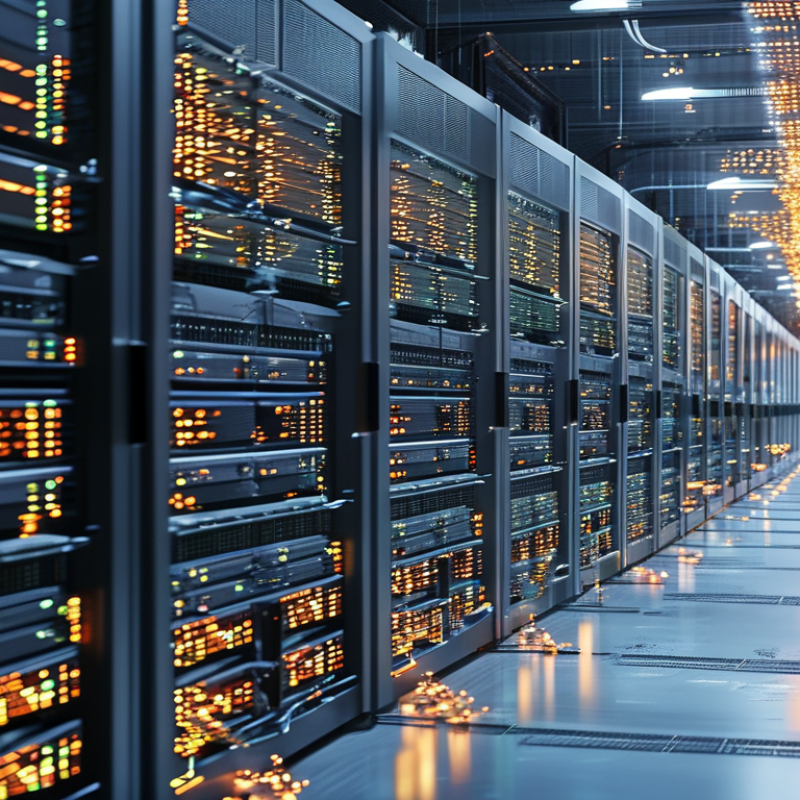
Fiber optic cable plays a vital role in data center connectivity, particularly in 2026. It allows for faster data transmission over long distances. The use of light instead of electricity dramatically enhances speed and reduces latency. Data centers are expanding rapidly, and the demand for speed is at an all-time high. Fiber optic technology meets this need, enabling data centers to handle increased traffic efficiently.
The installation of fiber optic cables can be complex. Technicians must ensure proper alignment and connections to avoid signal loss. Even a slight error can lead to significant downtime. Data centers have to adapt and innovate their infrastructure regularly. This continuous evolution can create challenges and necessitate ongoing training for staff.
Additionally, while fiber optics offer many benefits, they are also vulnerable to physical damage. Installing cables requires careful planning and consideration of the environment. As technology advances, so do the threats to physical infrastructure. Data centers must stay vigilant and responsive to ensure reliability and integrity in their networks. The importance of fiber optic cable cannot be overstated in this ever-changing landscape.
Fiber optic cables are transforming data centers. Their advantages over traditional copper cables are numerous. Fiber optics offer higher bandwidth, enabling faster data transmission. This is crucial for data centers that handle large volumes of information. With the increasing demand for data transfer, copper cables struggle to keep up.
Copper cables are limited in distance. Signal degradation occurs over long runs, affecting performance. Fiber optic cables can transmit data over much longer distances without loss. They are also lighter and take up less space, contributing to a more organized data center environment. This feature is particularly useful in high-density setups.
However, the installation of fiber optics can be more complex. Technicians require specialized skills to handle the delicate fibers. Not every data center is prepared for this transition. While the benefits are clear, the shift to fiber optics demands careful planning and consideration. Finally, it is essential to evaluate if all facilities can make this switch effectively.
As data centers evolve, the role of fiber optic cables becomes increasingly crucial. By 2026, the demand for high-speed data transmission will surge. This trend stems from the rise of cloud computing and IoT devices. Data centers will require reliable connections that can handle vast amounts of data.
Fiber optic cables deliver exceptional bandwidth, making them indispensable.
Emerging technologies will shape data center infrastructure. 5G networks will push for faster data flows. Fiber optics can support these needs with low latency. Companies will explore innovations like dense wave division multiplexing. This allows multiple signals to travel simultaneously over a single fiber. As systems become more complex, fiber optics offer a solution to scalability issues.
However, challenges remain. Installation costs can be high. Maintenance requires specialized knowledge. Data centers must balance these factors against the benefits. Reliable performance is non-negotiable. Investing in fiber optic technology ensures that data centers can keep pace with future demands, even if the transition isn't always smooth.
Fiber optic cables are revolutionizing data transfer in modern data centers. With increasing data demands, the need for speed is critical. These cables offer much higher bandwidth compared to traditional copper cables. They can transmit data over long distances without significant loss. This makes them ideal for data centers aiming to optimize performance.
The impact of fiber optics is profound when it comes to latency. Latency is crucial for applications requiring real-time data processing. Fiber optic technology minimizes delays, allowing for quicker data retrieval and response times. For instance, financial trading platforms rely on minimal latency to execute trades promptly. Even a millisecond can influence profits.
However, there's a challenge in implementing fiber optics. Installation costs can be significant, and the training required for maintenance adds complexity. Many organizations face obstacles when upgrading infrastructure. Despite these challenges, the advantages in speed and efficiency are compelling. Embracing fiber optics will be essential for data centers in 2026 and beyond.
| Attribute | Impact | Value/Metric |
|---|---|---|
| Data Transfer Speed | Increased bandwidth | Up to 400 Gbps |
| Latency | Reduced lag | < 10 ms |
| Bandwidth Density | More data in less space | 1 Tbps per fiber |
| Distance | Signal loss decreases | Up to 100 km without repeaters |
| Security | Lower risk of interception | Higher encryption capability |
| Cost Efficiency | Long-term savings | Reduced maintenance costs |
In 2026, data centers will face increasing demands for speed and efficiency. Choosing the right fiber optic solutions is crucial. Different types of fiber cables offer varying benefits. Single-mode fibers are ideal for long-distance transmissions. They provide high bandwidth and low attenuation over extended distances. Multimode fibers can support shorter distances but are cost-effective for local networks.
When selecting fiber optic solutions, consider installation complexity. Some installations require technical expertise. A complex setup may lead to increased costs and longer downtime. Scalability is another key factor. As data needs grow, a flexible fiber infrastructure makes expansion easier. The right choice can significantly influence performance and adaptability.
Yet, not all solutions fit every situation. Budget constraints often impact decisions. It's essential to weigh costs against future demands. A short-term gain might hinder long-term performance. Furthermore, the environmental impact of fiber optic materials cannot be ignored. Sustainable solutions are gaining importance in modern data centers. Reflecting on these aspects will lead to more informed choices.
: Fiber optic cables offer higher bandwidth and faster data transmission than copper cables. They handle large volumes of information effectively.
Fiber optic cables can transmit data over much longer distances without signal loss, unlike copper cables which degrade over longer runs.
Lighter fiber optic cables take up less space, contributing to a more organized and efficient data center environment.
Yes, fiber optic installation can be complex, requiring specialized skills. Not all data centers may be ready for this transition.
Key factors include installation complexity, scalability, and future demands. It's crucial to plan for growth.
Single-mode fibers are better for long distances, while multimode fibers are cost-effective for short, local networks.
Budget constraints can limit options. It's important to balance short-term costs with long-term performance needs.
The environmental impact of fiber materials is increasingly relevant. Sustainable solutions should be a key consideration in modern data centers.
Yes, improper installation can lead to increased costs and longer downtime. Careful planning is vital for success.
Not necessarily. Each facility must evaluate its readiness and capacity to implement fiber optic solutions effectively.
Fiber optic cables are becoming increasingly essential for data centers, particularly as we approach 2026. This technology enhances connectivity by offering higher bandwidth capabilities and improved data transfer speeds, significantly reducing latency compared to traditional copper cables. The advantages of fiber optics, including greater durability, lower attenuation, and resistance to electromagnetic interference, make them a pivotal choice for modern data center infrastructures.
As data demands continue to grow, understanding why fiber optic cable is important for data centers becomes crucial. Future trends indicate a shift towards advanced fiber optic implementations, ensuring that data centers can efficiently handle larger volumes of information. When selecting fiber optic solutions, considerations such as scalability, compatibility, and cost-effectiveness will remain vital for optimizing network performance and supporting the evolving data landscape.

XT Cabled