Fiber optic networks are crucial for high-speed communication. Yet, they can encounter various challenges. Understanding what are common fiber optic network problems is vital for maintaining reliable service.
Issues like signal loss, physical damage, and incorrect installation often arise. Each problem can cause significant disruptions. For instance, a bend in the cable may lead to a reduced signal quality. This can be frustrating for users who rely on stable connections.
Additionally, environmental factors can impact fiber optic systems. Temperature fluctuations and moisture can weaken the network's integrity. Identifying these challenges promptly helps in troubleshooting effectively. Awareness of these issues allows for better preventive measures and informed actions. Your ability to recognize these common problems can make a difference in network performance.
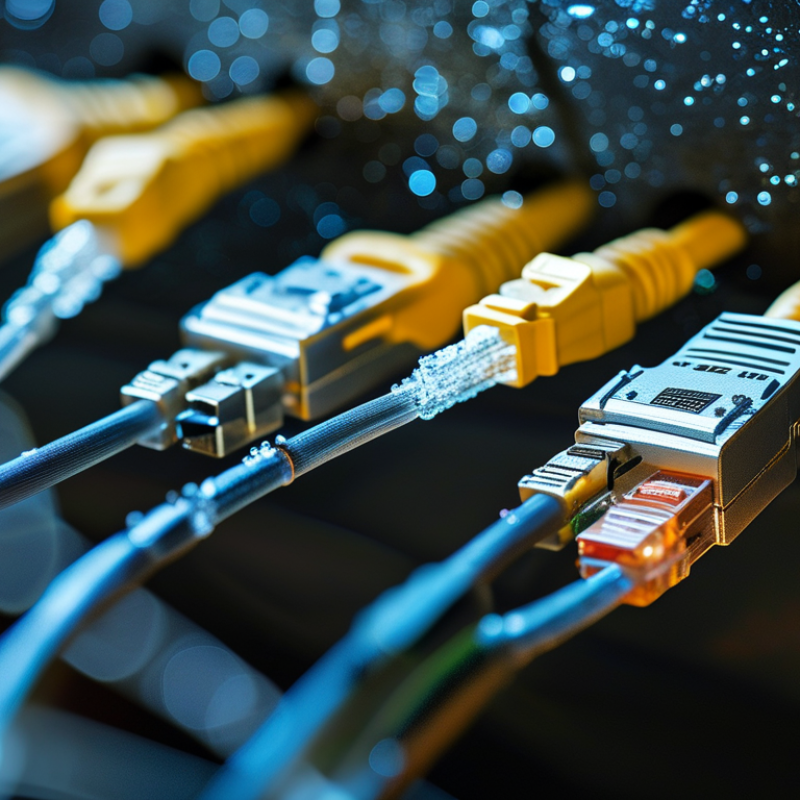
Fiber optic networks are crucial for modern communication. They offer high-speed internet and data transfer. However, they can encounter various issues that disrupt service quality. Understanding these common problems is essential for maintaining network efficiency.
One prevalent issue is signal loss, often caused by poor connections or damaged cables. Research indicates that up to 70% of network failures are linked to faulty connections. Regularly inspecting fiber connections can help mitigate this risk. Utilize visual fault locators for quick diagnostics.
Interference is another significant problem. While fiber optics are less susceptible to electromagnetic interference than copper cables, they are not immune. External factors, such as poor installation practices, can still cause disruptions. Always ensure proper installation to reduce the likelihood of interference.
Tips: Regular maintenance checks are crucial. Conduct routine inspections of cables and connectors. Invest in quality installation tools and training. Keep up with the latest industry standards to enhance reliability.
Identifying symptoms of fiber optic network problems can save time and resources. Common issues often manifest as slow internet speeds or intermittent connections. Users may notice buffering during video calls or delays in file uploads. These complaints can be frustrating and often hint at underlying network troubles.
A flickering light on a network switch can indicate a connection problem. Inspecting the actual fiber cables is crucial. Look for visible damage or bends in the fibers. Dirt or dust on connectors can also lead to signal loss. These details may seem small, but they play a significant role in network performance.
Regular monitoring can reveal important trends. If the network performance degrades over time, it’s a sign something may be wrong. Sometimes, the issue is with external factors, like weather or construction nearby. Reflecting on these aspects is vital for maintaining a healthy fiber optic network. Not all problems are immediately clear, and proactive measures can often prevent bigger issues down the line.
| Problem | Symptoms | Possible Causes | Solutions |
|---|---|---|---|
| Signal Loss | Decreased signal strength or no signal | Damaged fiber, poor connections, or dirty connectors | Inspect and replace damaged fiber, clean connectors |
| Intermittent Connectivity | Frequent disconnections or unstable connection | Loose connections or fiber bends | Tighten connections, avoid sharp bends |
| Poor Performance | Slow data transfer rates | Overloaded network, hardware issues | Upgrade equipment, optimize network load |
| Physical Damage | Visible wear or breakage on fiber cable | Accidental cutting, heavy equipment traffic | Replace damaged fiber, ensure proper routing |
| Error Messages | Manual alerts in network monitoring tools | Configuration issues, equipment malfunction | Reconfigure devices, check hardware operation |
Diagnosing signal loss and weakness in fiber optic cables can be challenging. Various factors contribute to these issues. It’s essential to approach the diagnosis systematically. One key area to examine is the cable itself. Physical damage, such as cuts or bends, can severely impact the signal. Checking for any visible signs of wear is crucial.
Another common issue is improper connections. Misalignments at the connectors can lead to significant signal degradation. Inspecting these connections regularly can prevent unwanted outages. Environmental factors also play a role. Temperature fluctuations and moisture can affect fiber optic performance. Keeping cables in well-controlled environments helps maintain signal integrity.
Using specialized equipment can aid in detecting problems. Optical time domain reflectometers (OTDR) offer valuable insights. They help pinpoint the exact location of faults along the cable. However, these tools require expertise to interpret the results accurately. Many technicians may overlook small anomalies, leading to extended downtime. Continuous training is essential for maintaining high reliability in fiber optic networks.
Troubleshooting fiber optic network connectivity issues can be challenging. Many factors can affect performance and reliability. Start with visual inspections. Check for damaged cables, loose connections, or dirt on the connectors. These physical issues often cause significant disruptions. A clear view of your equipment can prevent more serious problems later.
Consider using a visual fault locator. This tool helps identify breaks in the fiber. It sends a bright light down the fiber, revealing any breaks. If you notice unusual behavior, conduct a signal loss test. This can highlight areas with excessive loss, enabling targeted repairs. It's essential to have the right tools for effective troubleshooting.
Be mindful of environmental factors too. Temperature changes and physical stress can impact the fiber. Regular maintenance is crucial for network reliability. Take time to analyze network performance regularly. Document your findings. This practice helps you observe trends and recognize repeating issues. Small adjustments can lead to significant improvements in connectivity.
Preventive measures are critical in ensuring the reliability of fiber optic networks. Regular maintenance and inspections can significantly reduce the risk of problems. According to industry reports, about 70% of network failures stem from physical damage or installation errors. Conducting routine checks helps to identify potential issues before they escalate.
Tips: Always document installations and modifications. This information can be invaluable for troubleshooting later.
Using proper installation techniques is essential. Loose connections can lead to signal loss, affecting overall performance. A study indicated that proper strain relief can reduce cable stress by up to 50%. This simple measure can enhance system durability.
Tips: Invest in quality training for installers. Knowledgeable staff can minimize errors.
Environmental factors also play a role. Exposure to extreme temperatures or humidity can damage cables. Keeping systems in controlled environments can mitigate these risks. Reports show that systems in optimal conditions experience 30% fewer outages.
Tips: Schedule environmental assessments regularly. Early detection prevents future complications.
: Common issues include signal loss, interference, installation errors, and environmental factors.
Signal loss often occurs due to poor connections or damaged cables.
Research shows that up to 70% of network failures relate to faulty connections.
Proper installation reduces the risk of interference and improves overall network performance.
Investing in quality training for installers is essential to minimize errors.
Regular inspections, ideally scheduled every few months, help identify potential issues.
Extreme temperatures and humidity can damage cables, leading to outages.
Documenting installations helps troubleshoot issues effectively and maintains service continuity.
Keeping systems in optimal conditions reduces outages by about 30%.
Regular maintenance, inspections, and adherence to industry standards are crucial for reliability.
Fiber optic networks are essential for modern communication, but they can encounter various issues. To effectively address these challenges, it's important to first understand what fiber optic networks are and the common problems they face. Symptoms of network issues often manifest as signal loss, reduced bandwidth, or intermittent connectivity, which can stem from damaged cables, improper installation, or environmental factors.
To diagnose these problems, technicians should examine the integrity of the fiber optic cables and look for signs of wear or damage. Troubleshooting connectivity issues typically involves checking connectors, testing for signal strength, and ensuring proper alignment. Additionally, implementing preventive measures such as routine maintenance and proper handling can significantly reduce the likelihood of encountering common fiber optic network problems in the future.

XT Cabled