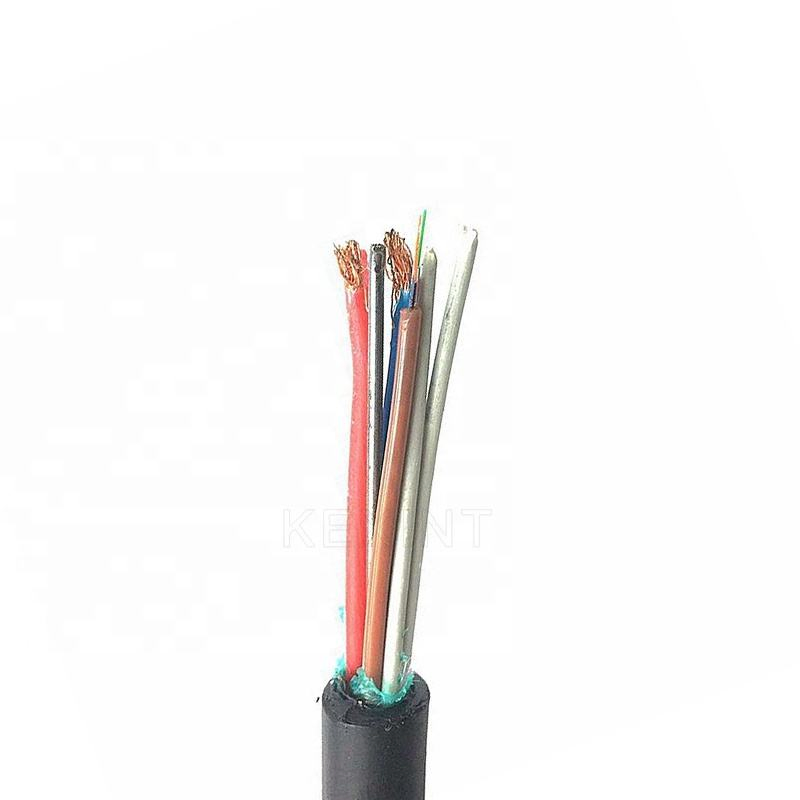
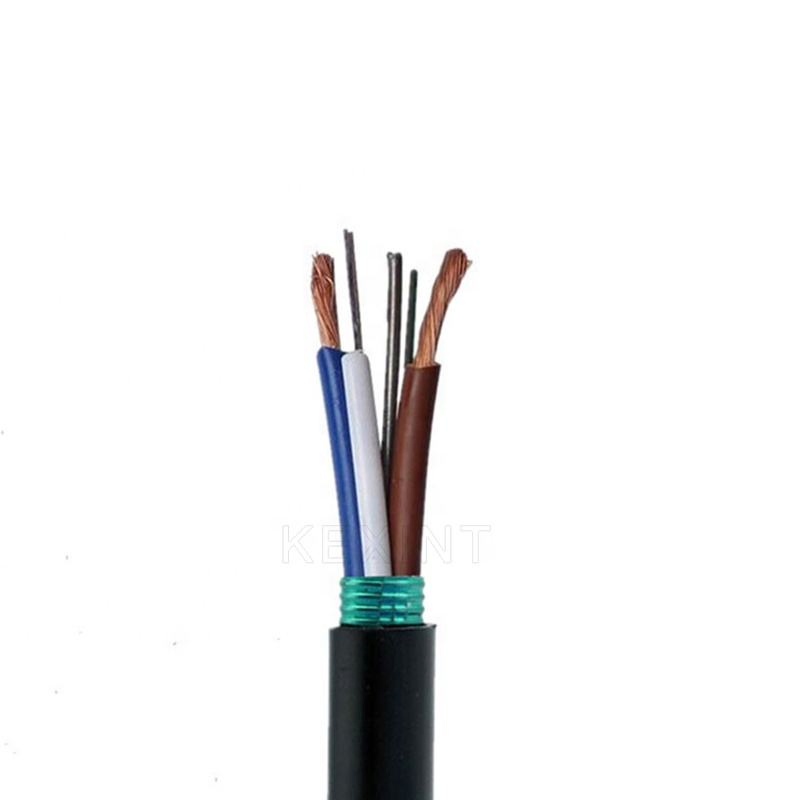
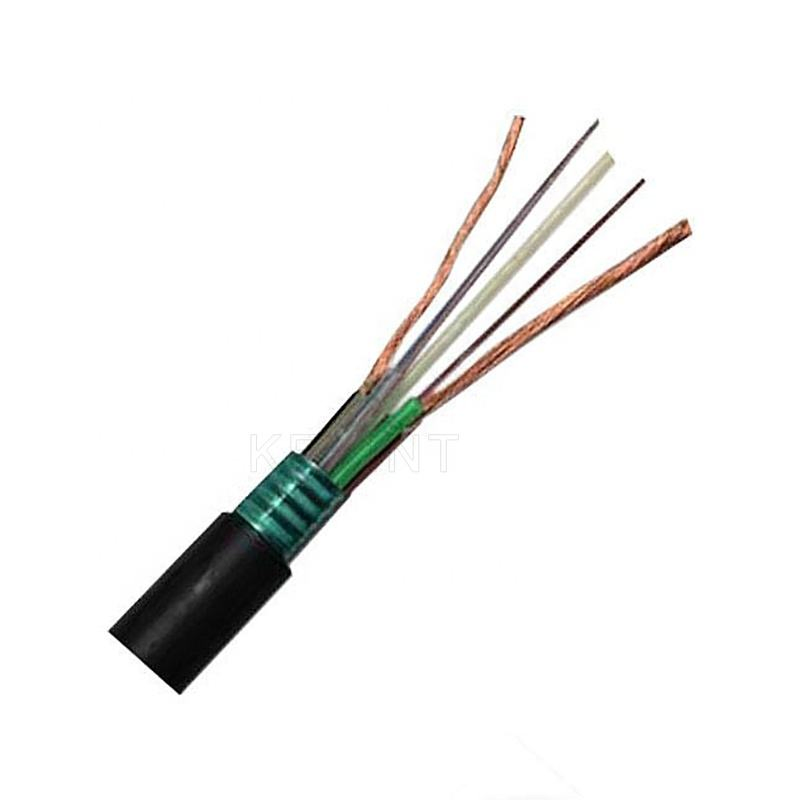
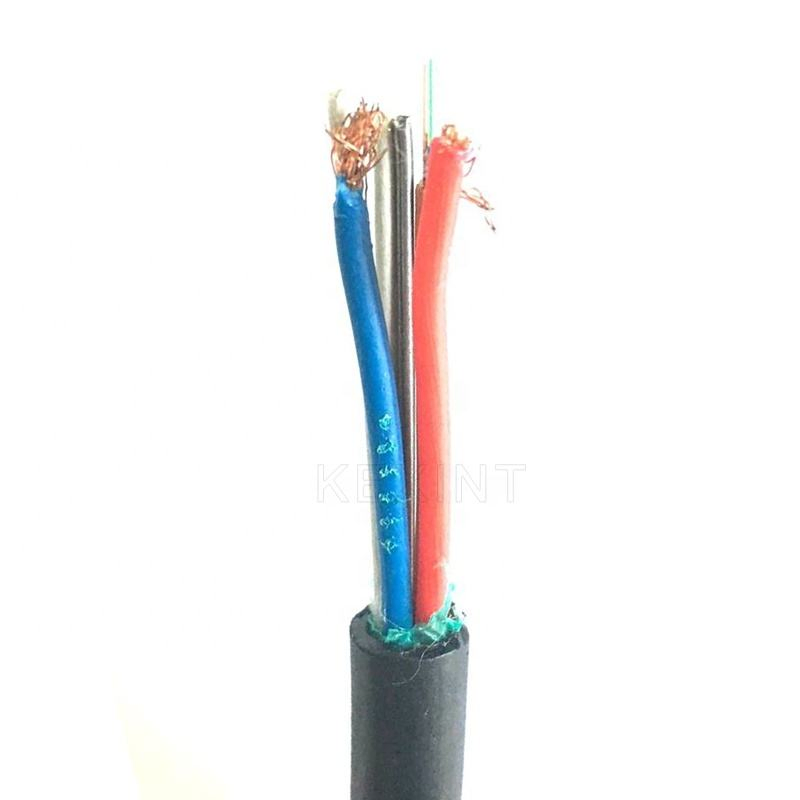
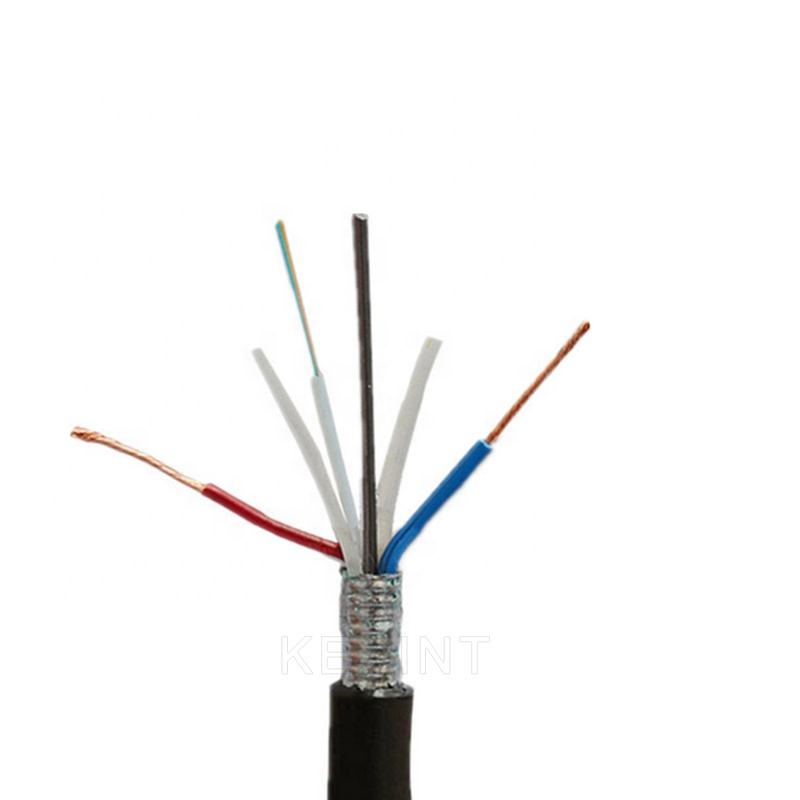
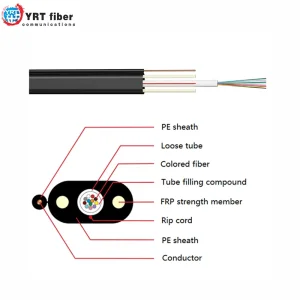
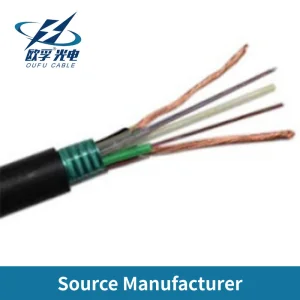
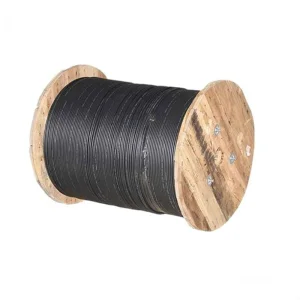
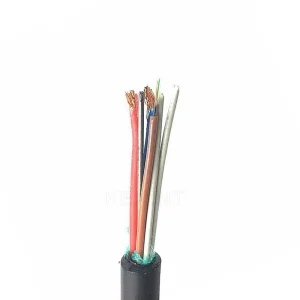
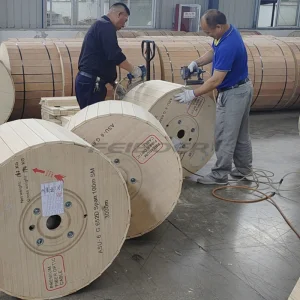
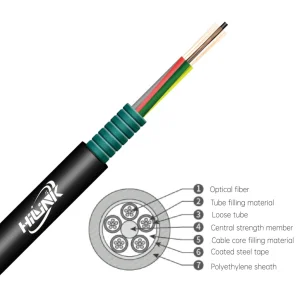
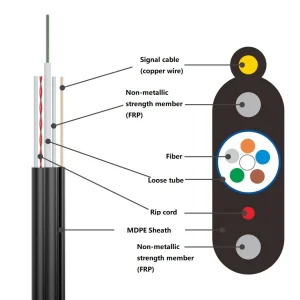
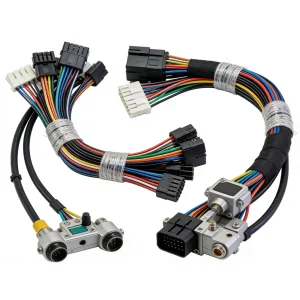
The structure of the optical-electrical hybrid optical cable is designed by inserting a 250μm optical fiber into a loose tube made of high modulus material, which is then filled with a waterproof compound. The center of the cable core features an FRP or metal reinforcing core. Wires and loose tubes are stranded around this central member to form a compact, circular cable core, with gaps filled by water-blocking materials. A double-sided plastic-coated steel tape (PSP) is longitudinally wrapped before being extruded into a PE or LSZH sheath.
These Composite Fiber Optic Cables integrate multiple transmission paths within a single bundle. By combining metal conductors and fiber optics, users can achieve both power and data transmission through one cable, significantly reducing installation time and costs.
?
Frequently Asked Questions
What is an optical-electrical hybrid cable?
It is a composite cable that integrates both optical fibers for data transmission and copper wires for power delivery within a single protective sheath.
What are the primary benefits of using hybrid cables?
The main benefits include saving pipeline space, reducing installation costs and time, and the ability to provide power and high-speed data to remote equipment simultaneously.
Is the cable suitable for outdoor environments?
Yes, the cable is designed with water-blocking materials and a durable PE or LSZH sheath, making it suitable for pipes, aerial installations, and direct burial.
Can this cable be used for FTTH applications?
Absolutely. It is ideal for fiber-to-the-home in residential communities where both network signals and centralized power might be required.
How does it protect the internal fibers from damage?
The cable uses high-modulus loose tubes and central reinforcing members (FRP/Metal) to provide excellent mechanical protection against tension and crushing.
Does it meet industry standards for mechanical properties?
Yes, the cable meets the YD/T901-2001 requirements for stretching, flattening, impact, bending, and torsion.
 XT Cabled