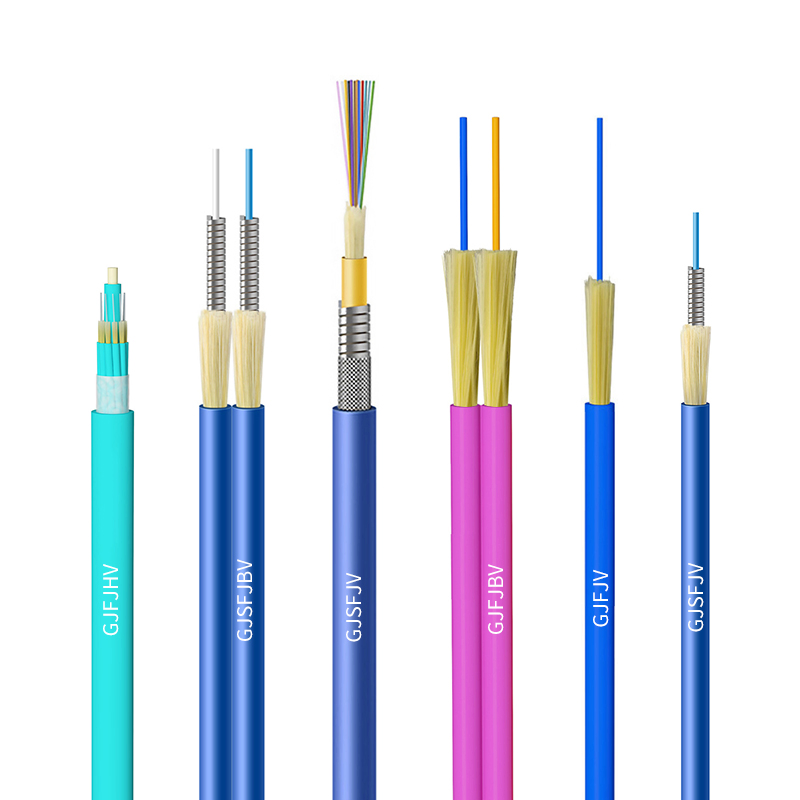
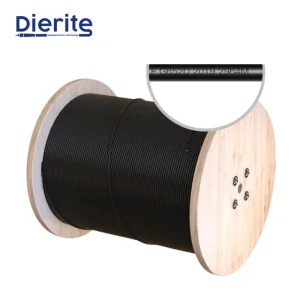
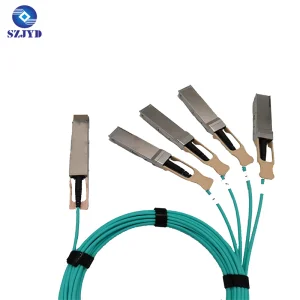
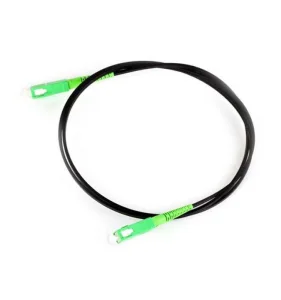
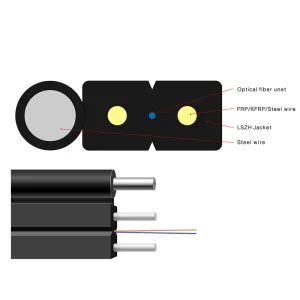
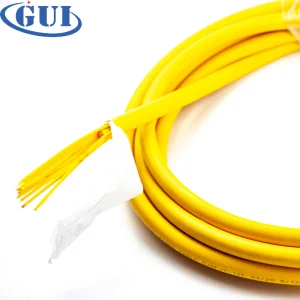
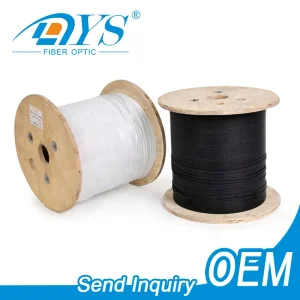
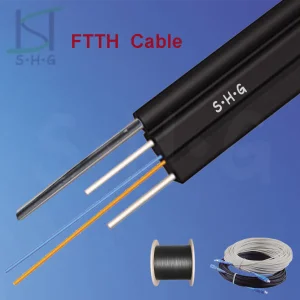
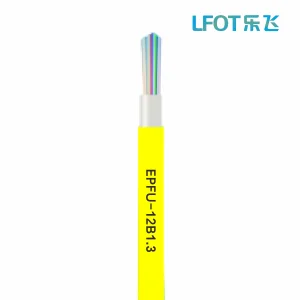
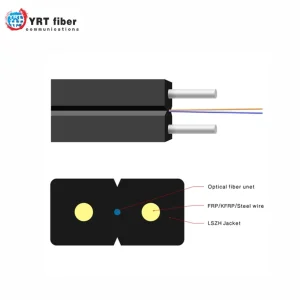
Fiber Optic indoor cables are used exclusively within buildings and must have a flame-retardant jacket to fit this purpose. They may be deployed in duct (conduit) or cable tray. When routing a cable within a building, you will also need to factor in fire prevention requirements.
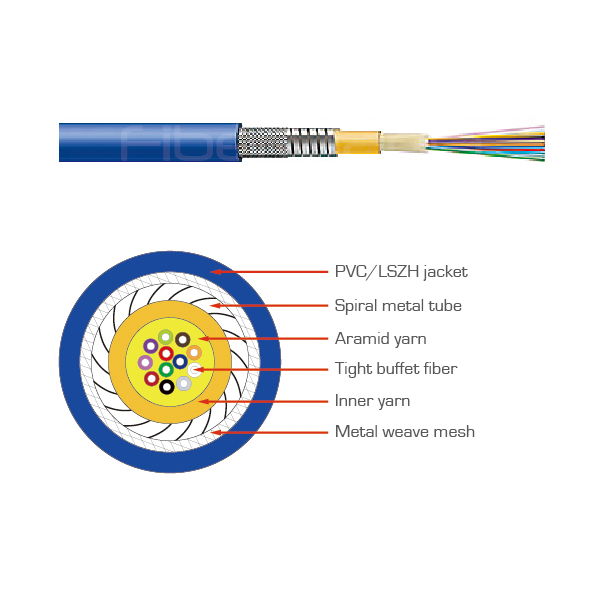
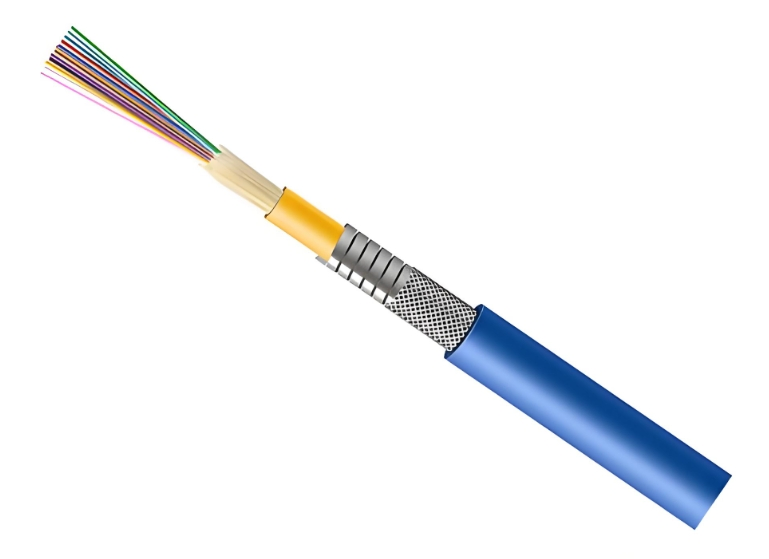
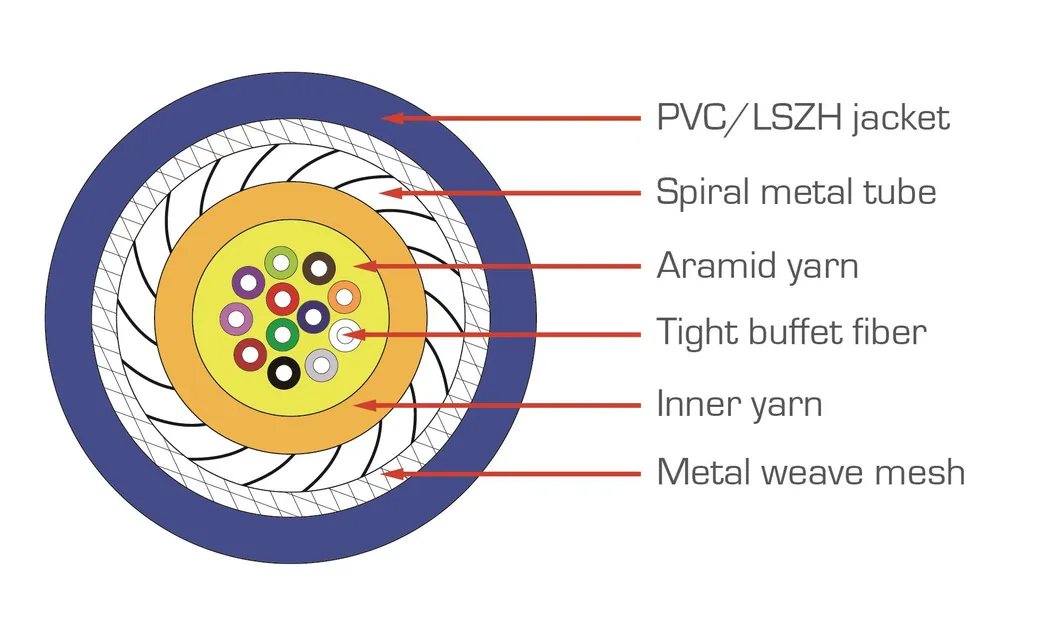
The structure of the cable consists of ф900μm or ф600μm tight buffer fibers with aramid yarn, covered with a layer of PVC or LSZH inner sheath, wrapped with a layer of flat stainless steel wires, and finished with a layer of woven stainless steel wire and a final PVC or LSZH outer sheath.
?
Frequently Asked Questions
Q1: What is the primary benefit of the armored spiral metal tube in this cable?
A: The stainless steel armored layer provides superior crush resistance and protects the optical fibers from rodent damage, making it ideal for challenging indoor environments.
Q2: Can the outer jacket be customized for specific fire safety ratings?
A: Yes, the cable is available with LSZH (Low Smoke Zero Halogen), PVC, or TPU jackets to meet various international fire prevention and safety requirements.
Q3: Is this cable suitable for high-density data center applications?
A: Absolutely. With fiber counts ranging from 1 to 288 cores and a small bending radius, it is perfect for backbone cabling in data centers and tight installation spaces.
Q4: What are the storage and operating temperature ranges?
A: Both the storage and operating temperatures range from -20ºC to +60ºC, ensuring stable performance under typical indoor and semi-protected conditions.
Q5: Are there options for different fiber types?
A: Yes, we offer various fiber types including Single Mode (G652D, G657A) and Multi-Mode (OM1, OM3, OM4, OM5) to suit different bandwidth and distance needs.
Q6: Can the cable be used for making patch cords and pigtails?
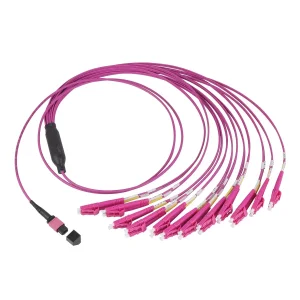
A: Yes, its flexible design and tight-buffered fibers make it highly suitable for terminating into fiber optic pigtails and patch cords for equipment connectivity.
 XT Cabled