Direct supply, superior wind and load resistance, optimizing optical performance under harsh conditions.
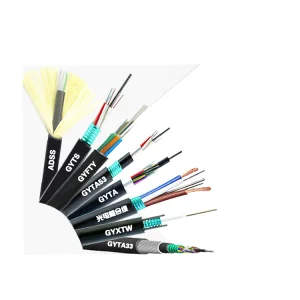
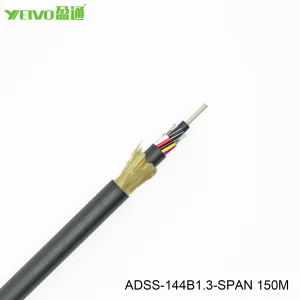
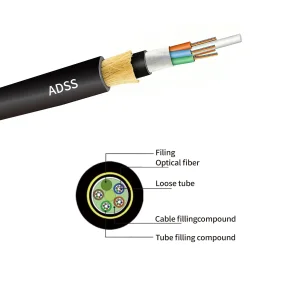
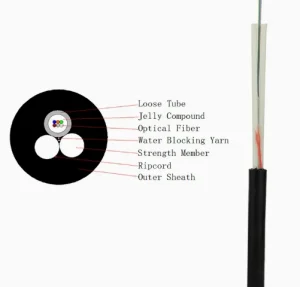
As one of the youngest nations of the 21st century, Timor-Leste (East Timor) is executing a swift digital transformation. Connecting the national capital of Dili with regional municipalities like Baucau, Liquiçá, Ermera, and Oecusse demands robust optical transmission paths. Traditionally, the country relied heavily on high-cost satellite and microwave transmissions. Today, the landing of submarine fiber optic cabling solutions calls for a reliable, resilient, and cost-effective terrestrial distribution backbone.
Due to the mountainous geological makeup of the country—dominated by Mount Ramelau—and its high susceptibility to tropical monsoons, landslides, and heavy seismic activity, subterranean trenching for optical fiber is both cost-prohibitive and highly vulnerable. Consequently, aerial fiber deployment on electrical distribution structures via ADSS (All-Dielectric Self-Supporting) cables has become the primary mechanism to construct regional networks rapidly.
Partnering with power transmission operators like EDTL (Electricidade de Timor-Leste), telecom leaders such as Telemor, Timor Telecom, and Telkomcel utilize existing overhead pathways. ADSS cables contain no metallic parts, making them immune to lightning strikes, electromagnetic interference (EMI) from adjacent power cables, and high-voltage induced degradation (such as tracking). This renders them uniquely suited for long spans across mountainous valleys and along coastal highways.
A technical overview of aerial fiber engineering specifications under complex physical loads.
ADSS fiber cables rely entirely on high-modulus aramid yarn (Kevlar) to support the weight of the cable and dynamic environmental loads (wind, ice, and sag). Determining the exact Maximum Allowable Tension (MAT) and Everyday Tension (EDS) is crucial to prevent mechanical failure.
When placed adjacent to high-voltage power transmission lines (>12kV), the electromagnetic field can cause electric tracking and dry-band arcing on the cable jacket. Anti-tracking (AT) sheathing materials are mandatory to prevent micro-fissures and carbon treeing.
Modern telecommunication initiatives must comply with rigorous international standards, including ITU-T G.652.D (low water-peak single-mode fibers), IEC 60794, and IEEE 1222. Adhering to these protocols ensures compatibility across inter-carrier transport backbones.
| Environmental/Mechanical Parameter | Timor-Leste Typical Requirements | Recommended ADSS Cable Spec | Engineering Benefit |
|---|---|---|---|
| Climatic Zone Type | Humid Tropical / Marine Costal | High-Density Polyethylene (HDPE) Double Jacket | Blocks salt spray moisture ingress & UV degradation |
| Operating Temperature | 15°C to 45°C (up to 55°C solar loading) | Wide range: -40°C to +70°C rated loose tube gel | Prevents fiber attenuation fluctuation in high heat |
| Wind Load (Tropical Storms) | Up to 120 km/h (Cyclone risk zones) | High tensile aramid yarn reinforcement (Kevlar 29/49) | Maintains mechanical stability during high winds |
| Pole Span Distance | 50m (Urban) to 250m+ (Mountain crossings) | Custom Span (80m, 100m, 150m, 200m, 300m) | Eliminates structural sag hazards across gorges |
| Space Potential (Grid proximity) | ≤ 12kV (Distribution) / > 12kV (Transmission) | Standard PE (polyethylene) / Tracking-Resistant (AT) | Prevents electrical tracking damage under high voltage |
Dongguan XT Cabled Co., Ltd. sits in the heart of China’s advanced technology and communications manufacturing cluster. This strategic positioning provides significant economic and logistical advantages:
Dongguan XT Cabled Co., Ltd. is a professional manufacturer specializing in fiber optic cables and optical connectivity solutions for industrial, telecommunications, and data center applications. Established in 2012, the company is located in Dongguan, Guangdong Province, one of China's leading manufacturing hubs. With a production facility covering over 12,000 square meters and a team of more than 180 employees, XT Cabled is committed to delivering reliable, high-performance fiber optic products to customers worldwide.
The company's product portfolio includes single-mode fiber optic cables, multi-mode fiber optic cables, FTTH cables, armored fiber optic cables, outdoor fiber cables, indoor fiber cables, data center cabling solutions, industrial optical cables, and customized optical connectivity products. These solutions are widely used in telecommunications networks, broadband infrastructure, smart buildings, industrial automation systems, cloud computing facilities, and large-scale data centers.
Through continuous investment in technology, manufacturing efficiency, and customer service, Dongguan XT Cabled Co., Ltd. strives to be a trusted partner for global optical communication and network infrastructure projects, including crucial deployments throughout Timor-Leste.
Analyzing how engineering decisions adapt to specific geographical and electrical topologies.
Along the transmission grid between Dili and Baucau, cables must endure high electrical voltages. We supply ADSS cables designed with customized tracking-resistant (AT) outer jackets. These withstand the induced electric field, preventing premature dry-band degradation.
For seaside corridors linking Liquiçá or Suai, cables face elevated salinity levels. Our double-jacket ADSS construction isolates the optical fibers within water-blocking gel compounds, preventing saltwater ions from accelerating mechanical fatigue.
Deep interior crossings near Mount Ramelau feature spans exceeding 200 meters. Overcoming these natural obstacles requires custom-engineered tensile properties. We alter the winding layout and increase the aramid yarn count to secure stability.
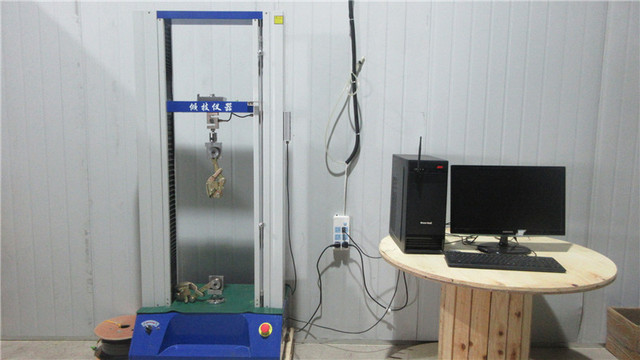
To ensure failure-free performance in remote areas like Lospalos or Same where field repairs are difficult, XT Cabled enforces rigorous testing protocols. Quality control starts at raw material sourcing. Every spool of aramid yarn is tested for tensile strength, and optical glass is inspected for geometric consistency and purity.
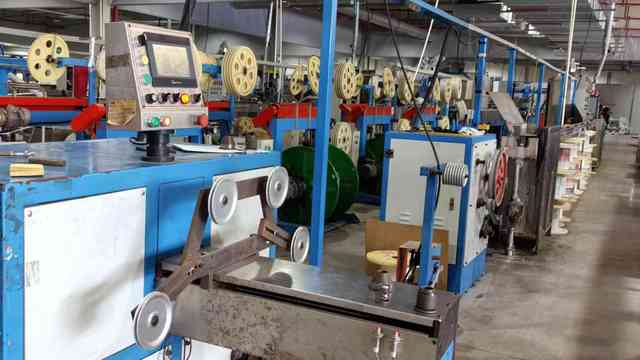
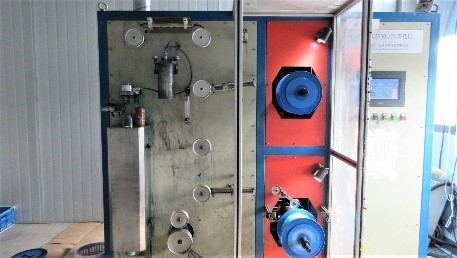
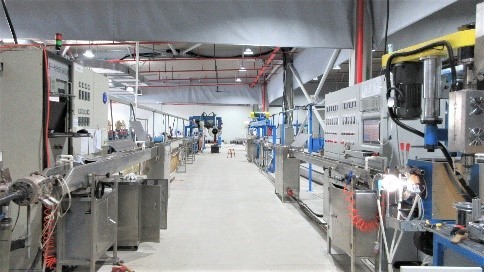
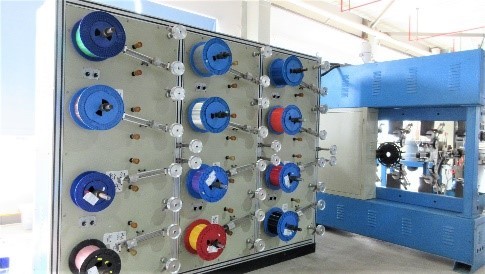
Advanced optical manufacturing lines at XT Cabled operate under climate-controlled conditions. We verify concentricity and loose-tube structural integrity using automated in-line laser monitoring. Prior to shipment to Timor-Leste, all drums undergo comprehensive OTDR testing to confirm attenuation limits (typically ≤ 0.22 dB/km at 1550nm and ≤ 0.36 dB/km at 1310nm).
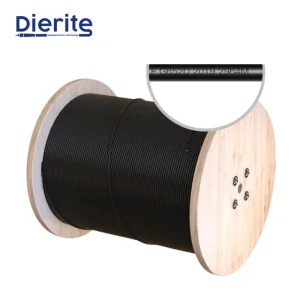
Cables are packaged in reinforced steel-wood or full steel drums. This prevents mechanical damage during sea transport to Dili and subsequent overland trucking along steep mountainous roads.
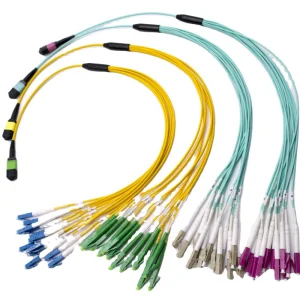
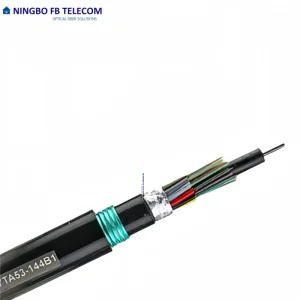
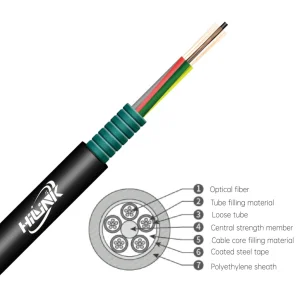
Explore our full range of fiber optic solutions, optimized for regional distribution and high-performance communication backbones.
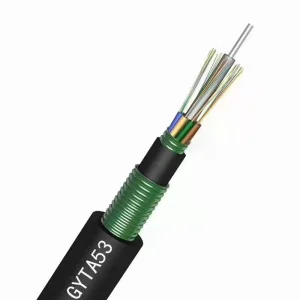
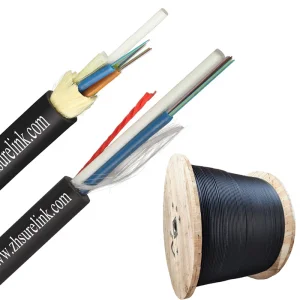
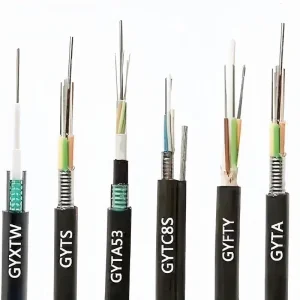
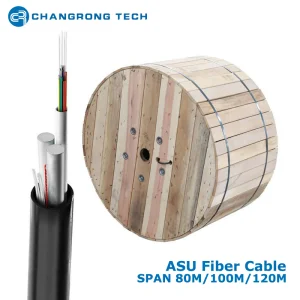
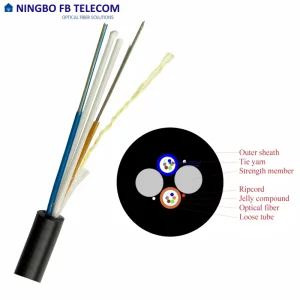
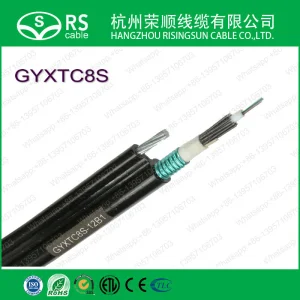
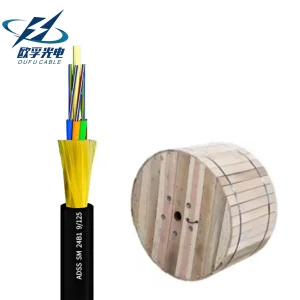
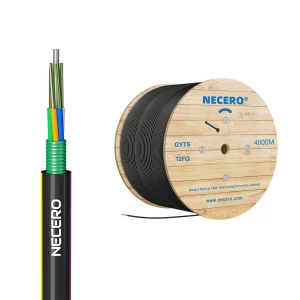
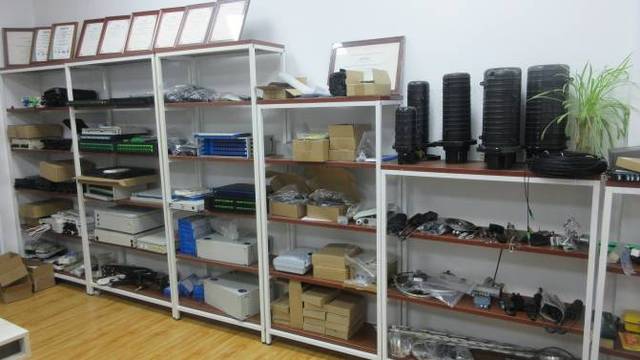
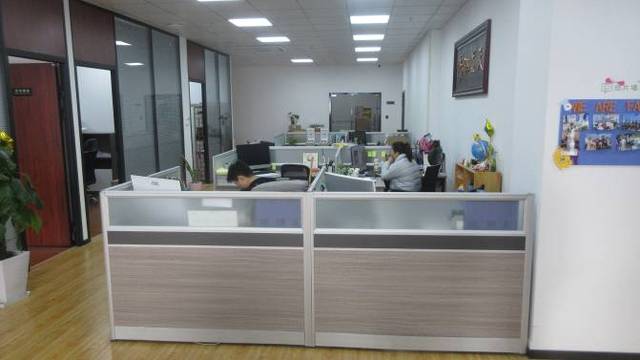
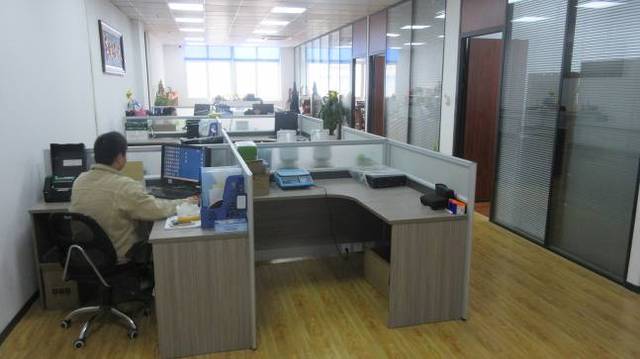
Take a virtual tour of Dongguan XT Cabled Co., Ltd.’s ISO-certified production floor and strict environmental simulation test lab.
Clear, direct answers from our application engineering team regarding technical standards, deployment, and logistics.
 XT Cabled