XT Cabled
1 / 5
| Category | Details |
|---|---|
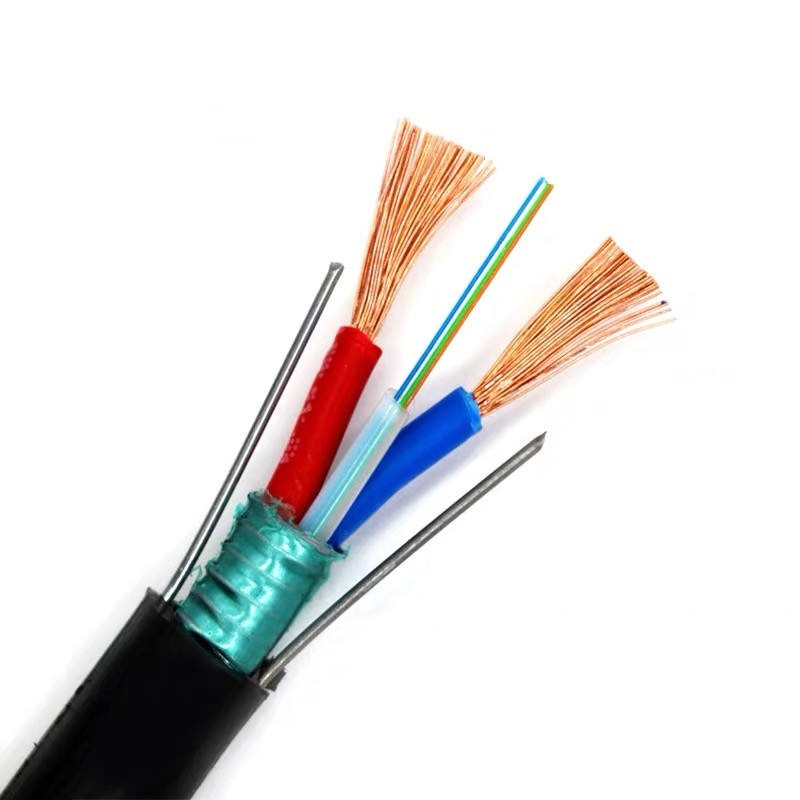
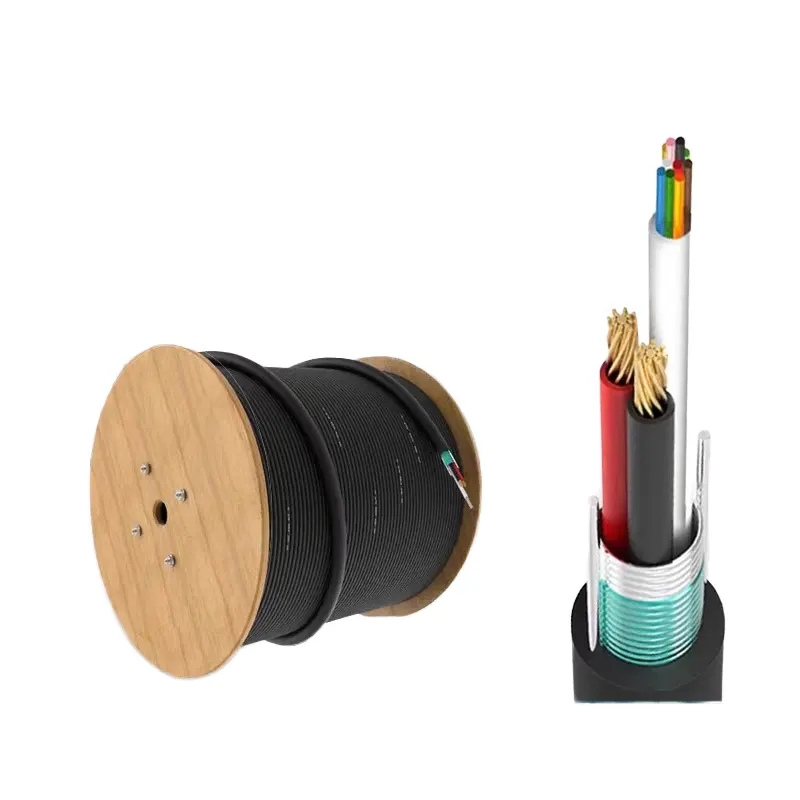
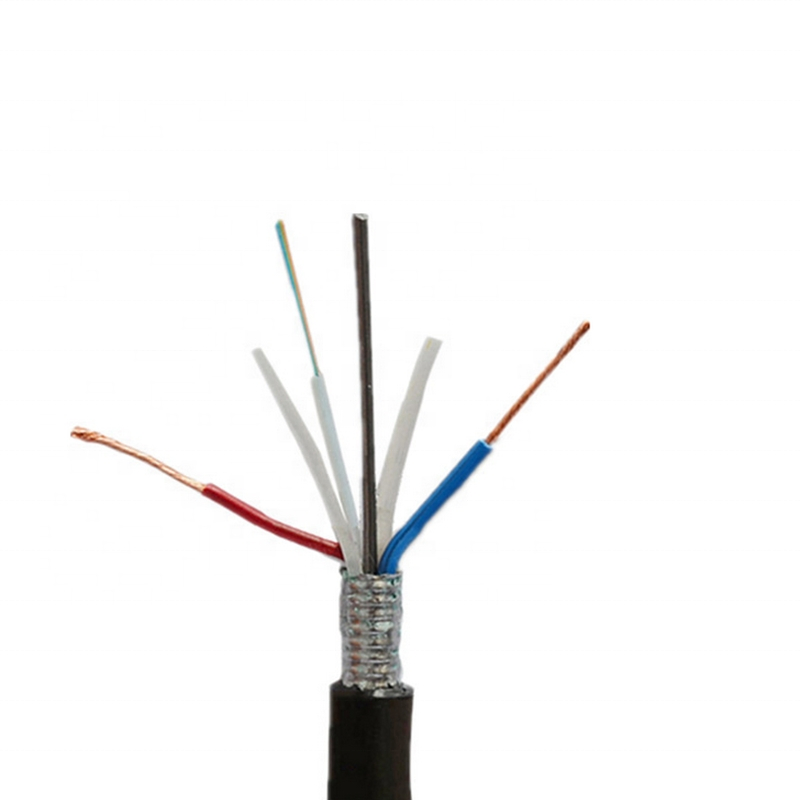
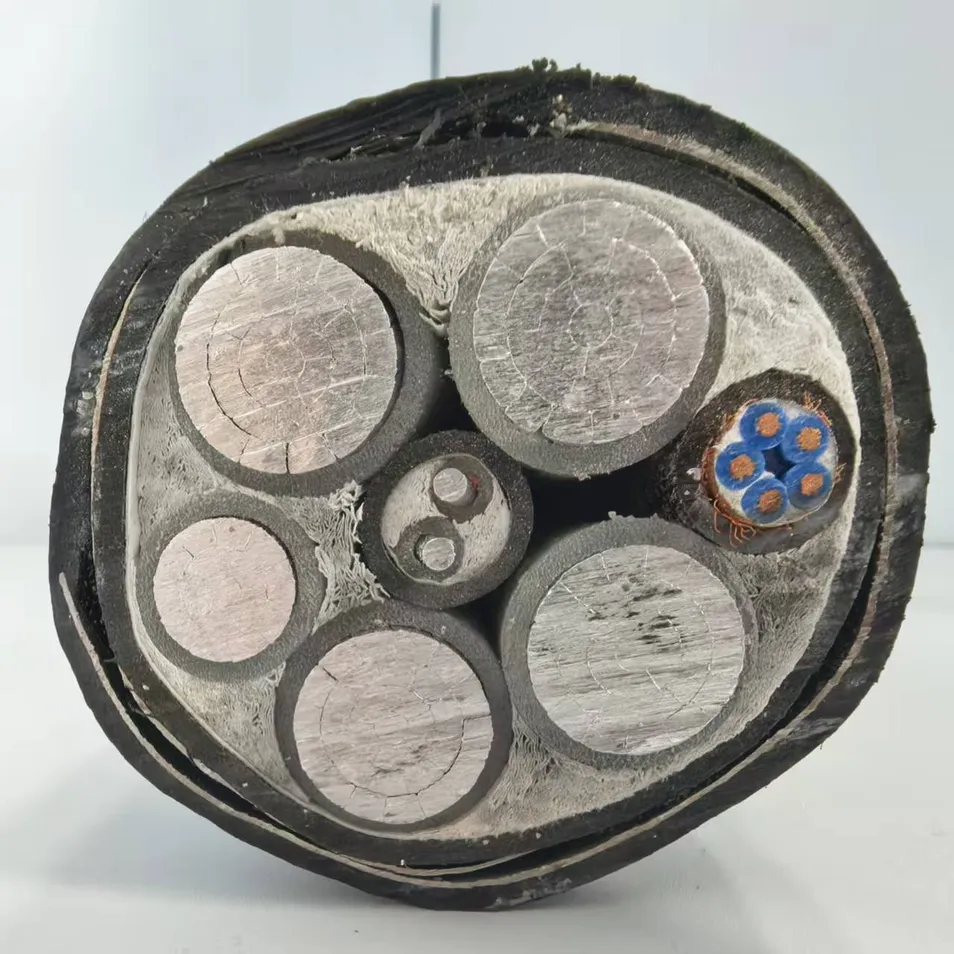
| Definition | Composite cable integrates 2+ different types of cables (power, signal, control, optical fiber) into one sheath for integrated transmission |
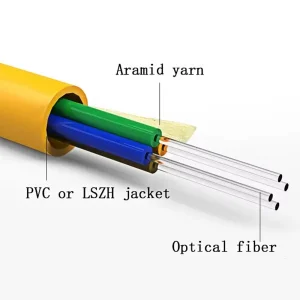
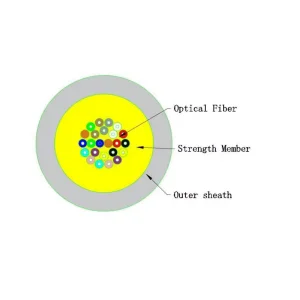
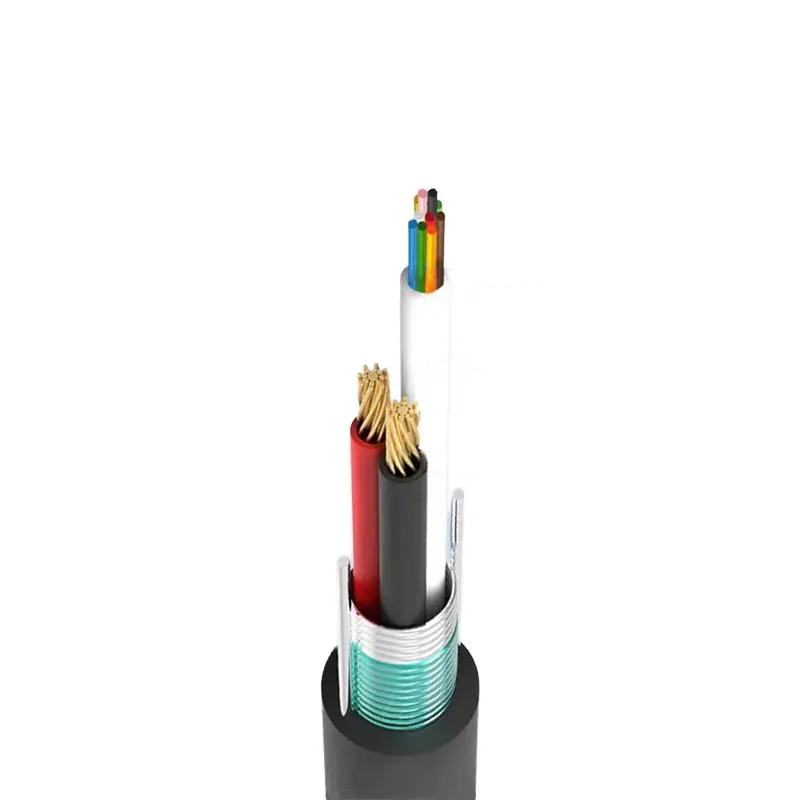
| Core Components | 1. Conductor: copper/ tinned copper; 2. Insulation layer; 3. Shielding layer; 4. Sheath; 5. Functional cores (power/signal/fiber core) |
| Core Classification | 1. Power core; 2. Signal core; 3. Fiber core |
| Key Features | 1. Integrated layout, save space; 2. Reduce construction cost; 3. Strong anti-interference; 4. Stable performance; 5. Durable |
| Environments | Indoor/outdoor, damp, corrosive, high/low temperature, electromagnetic interference area |
| Sheath Materials | PVC, PE, XLPE, LSZH, PUR |
| Shielding Modes | Braid shielding, foil shielding, double shielding |
| Operating Temp | -20°C to +70°C (fixed); -15°C to +70°C (mobile) |
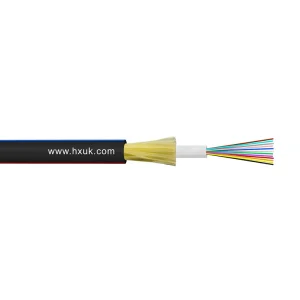
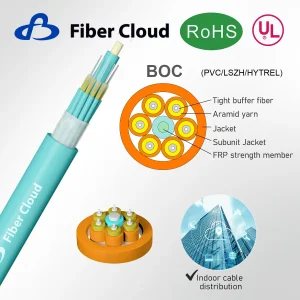
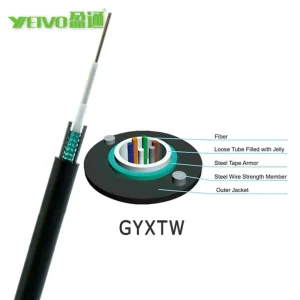
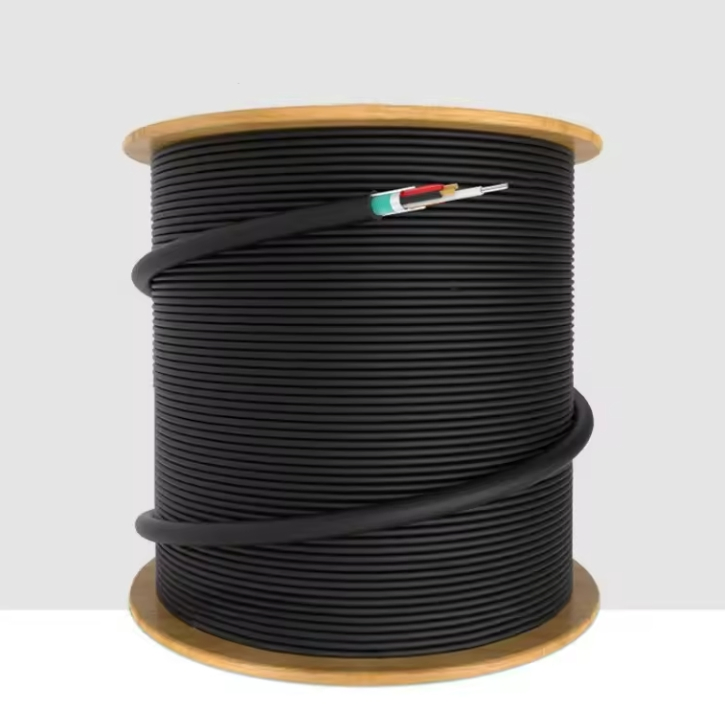
Composite cable integrates power, signal and fiber cores into one sheath, enabling simultaneous transmission of electricity and data with strong anti-interference, space-saving features, and is widely used in industry, smart buildings and rail transit.
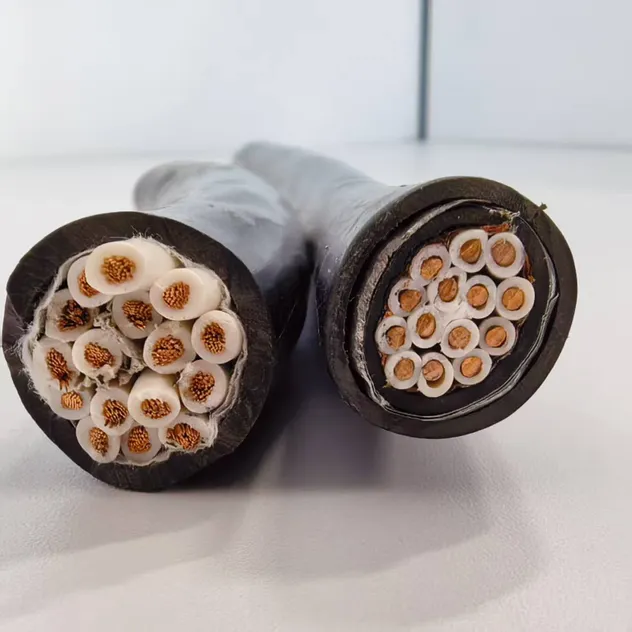
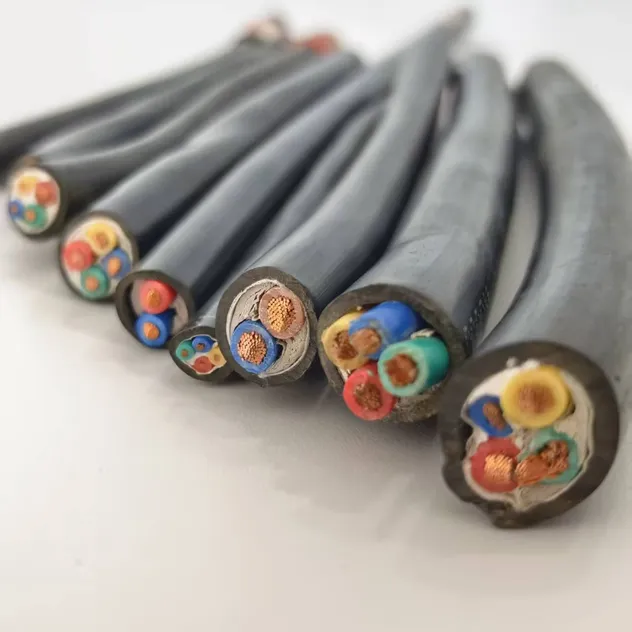
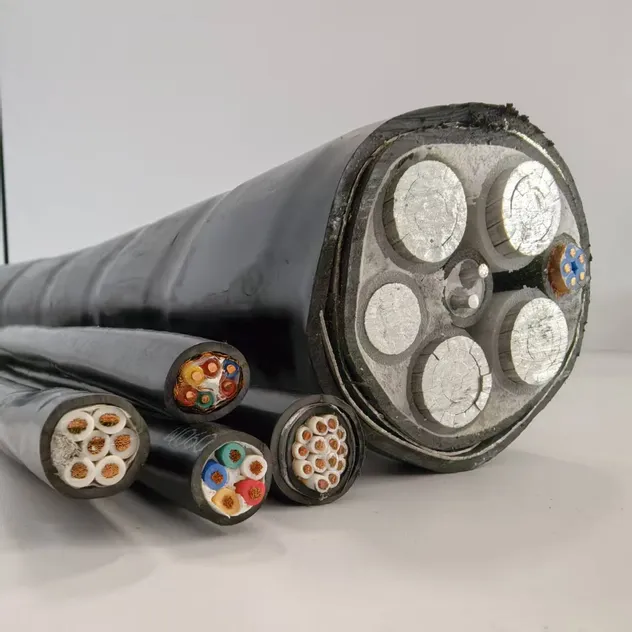
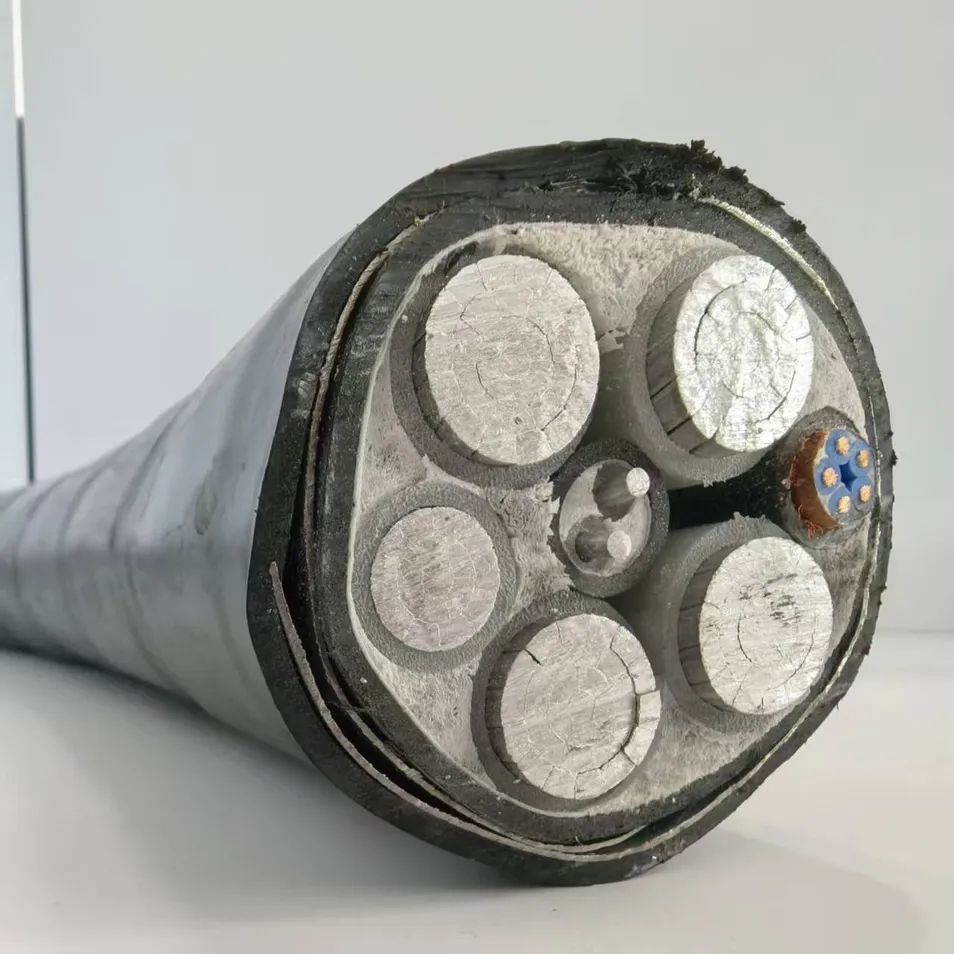
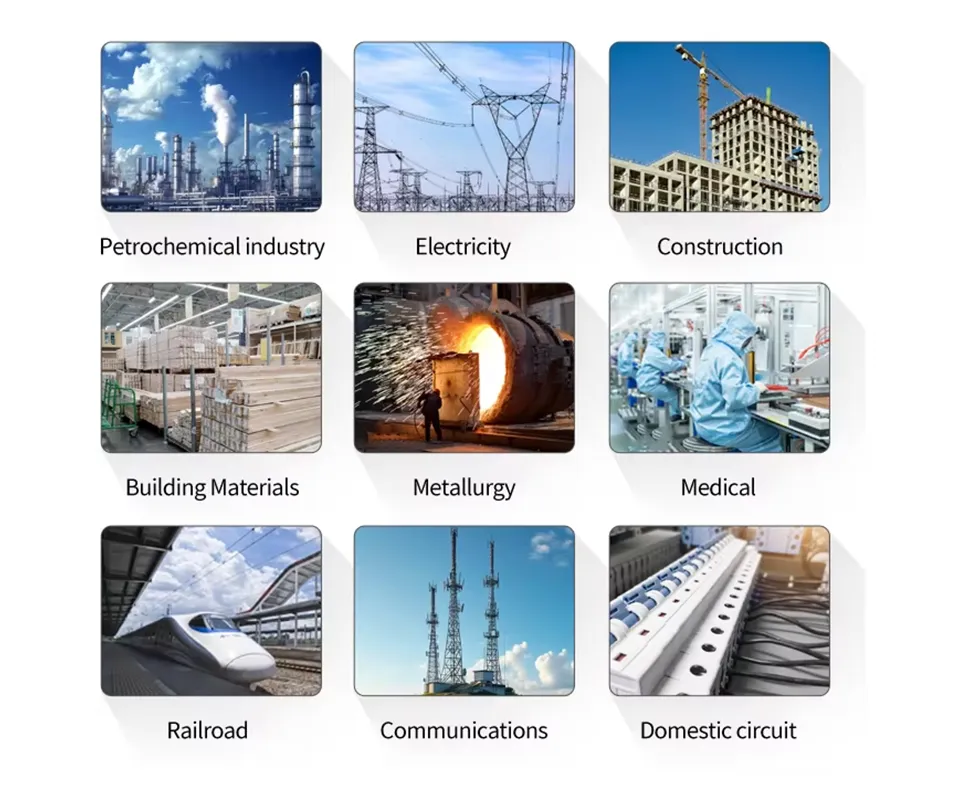
Main fields: Basic Industry, Power/New Energy, Construction/Engineering, Transportation/Infrastructure, Daily Civil/Small Equipment, and Communications/IT.
Founded in 1988, the manufacturer has focused on cable quality and industrial needs. Over 30 years, it evolved from a regional workshop to a modern cable manufacturer with R&D, production, and sales. Committed to quality and market insight, it provides reliable cable products to customers globally.
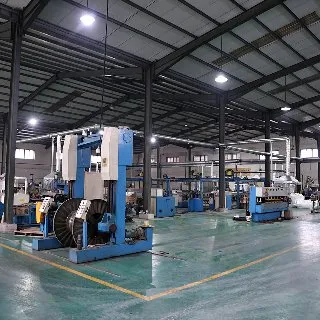
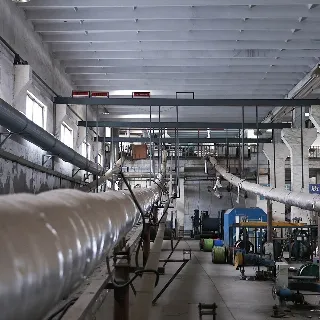
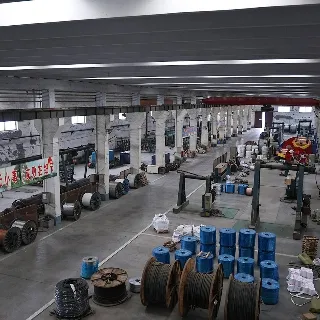
Qualification Certificates: Built on qualifications! From licenses to certifications, we offer comprehensive certificates across all categories, ensuring quality and peace of mind!
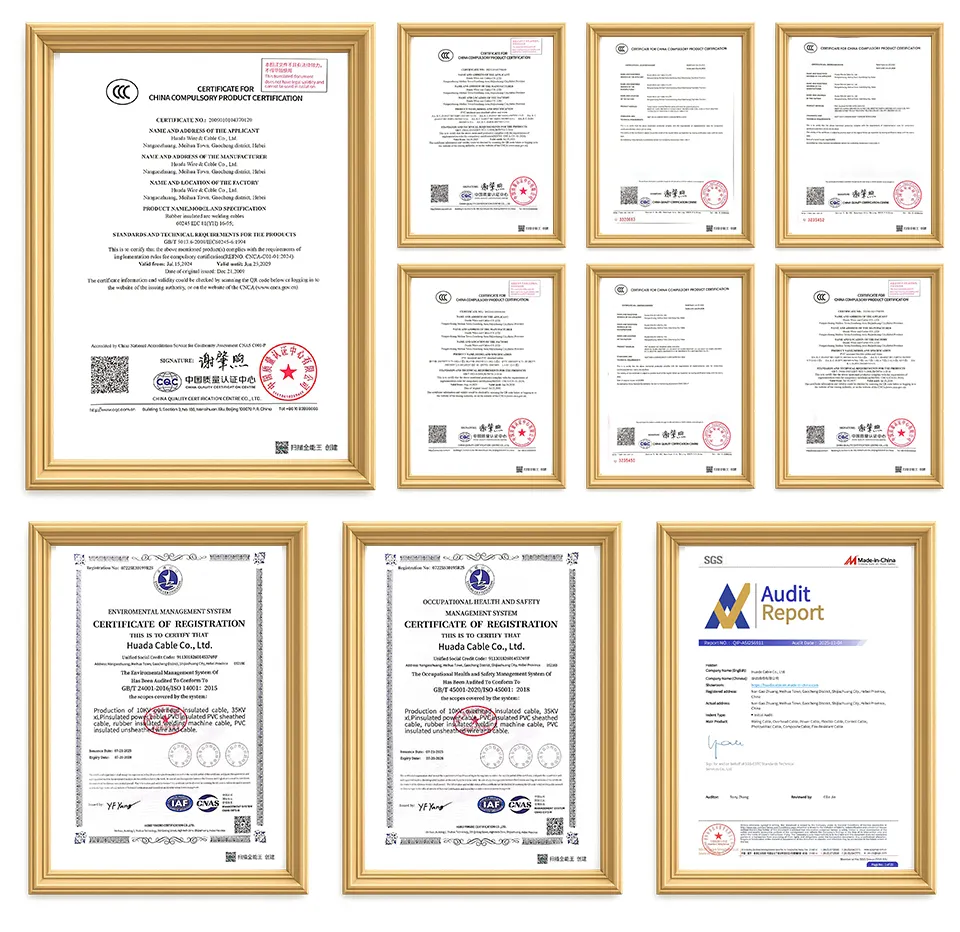
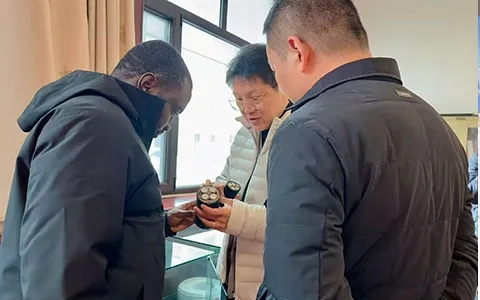
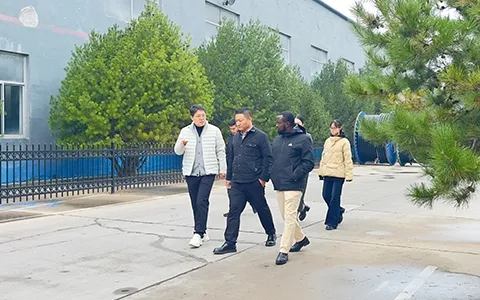
Embracing "mutual benefit, win-win, long-term coexistence". With 30+ years in the cable industry, we are a trusted partner for leading enterprises and key projects, offering reliable quality and efficient service.
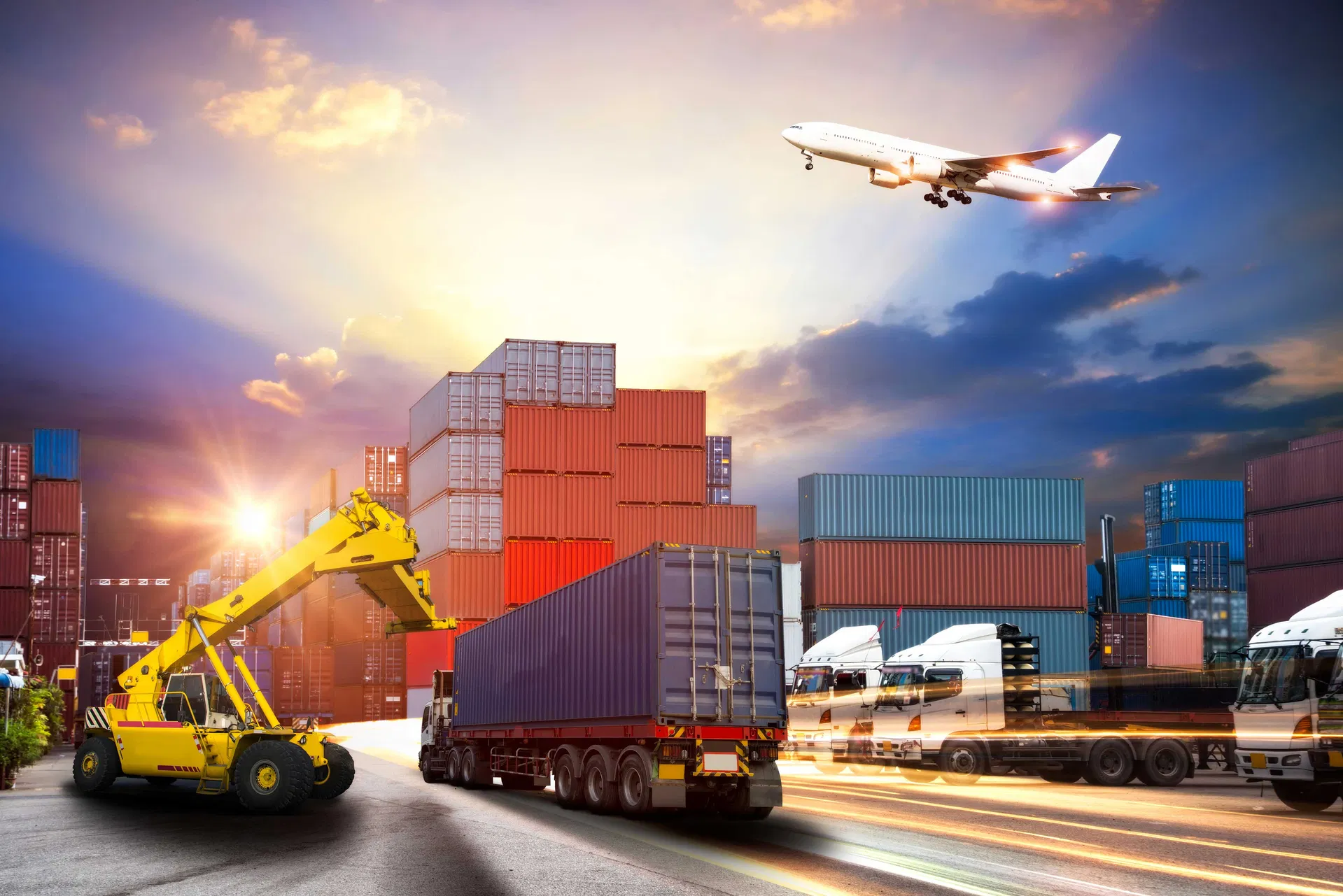
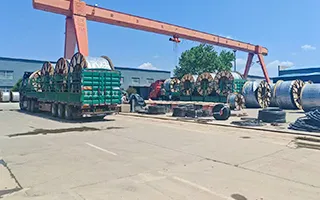
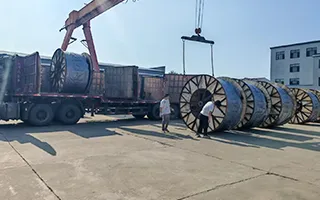
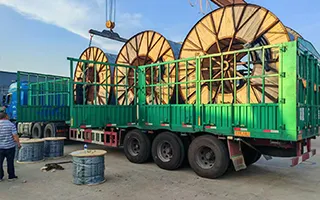
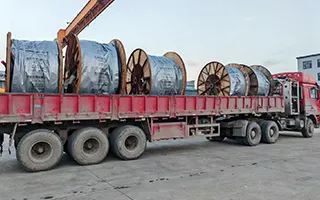
Logistics: Featuring "direct shipment + intelligent logistics". Every step from factory to port is controlled. Transport methods: road, rail, air, sea.