Product Overview: GJFJH Fiber Optical Cable
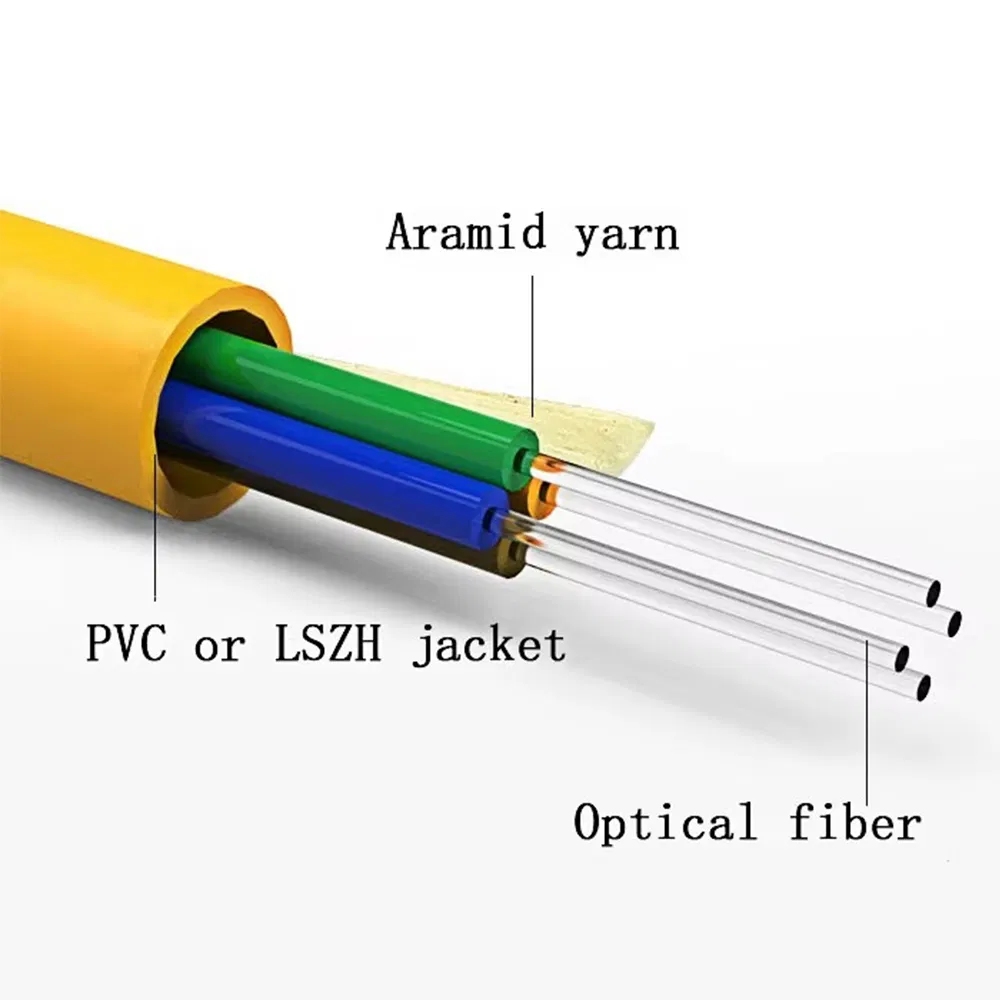
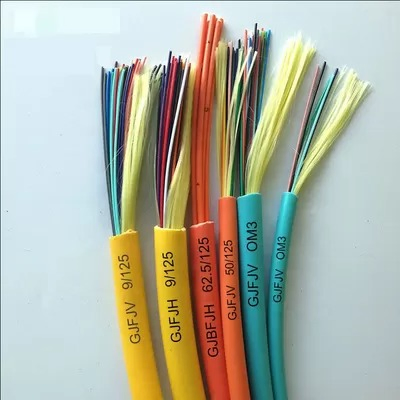
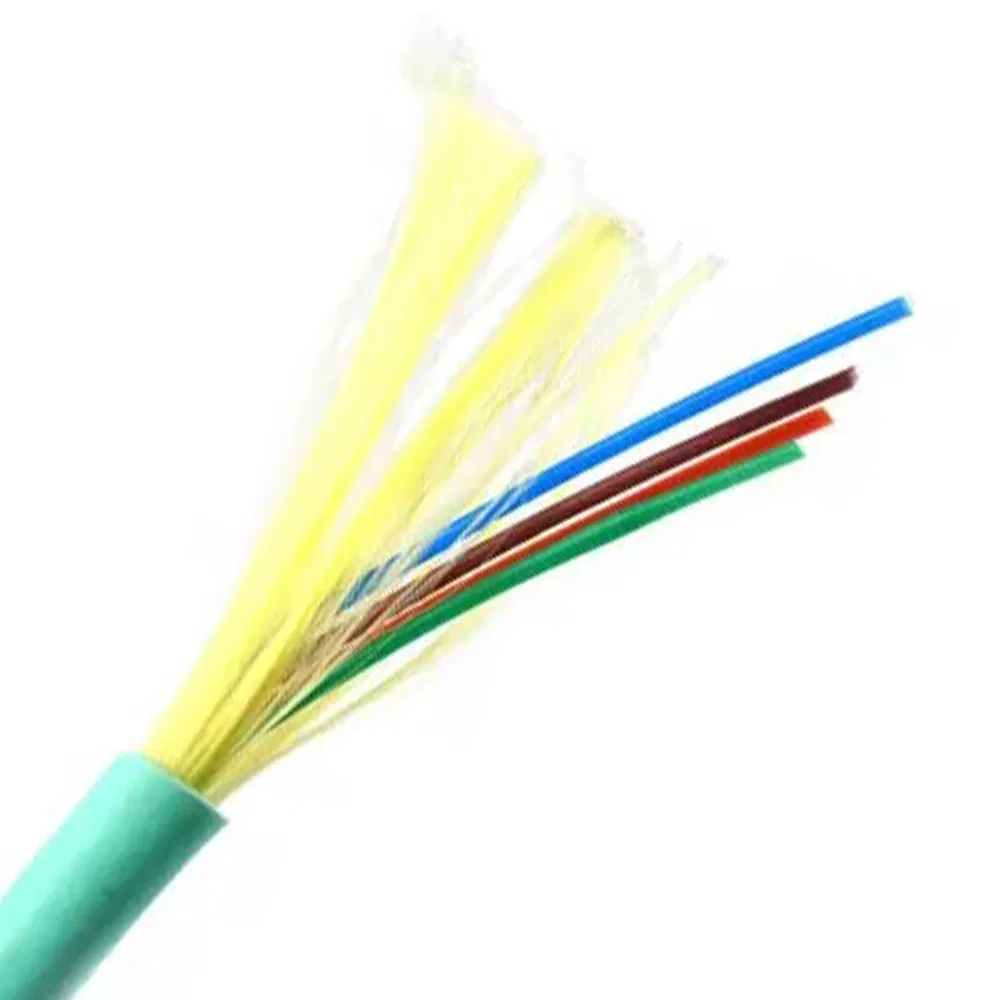
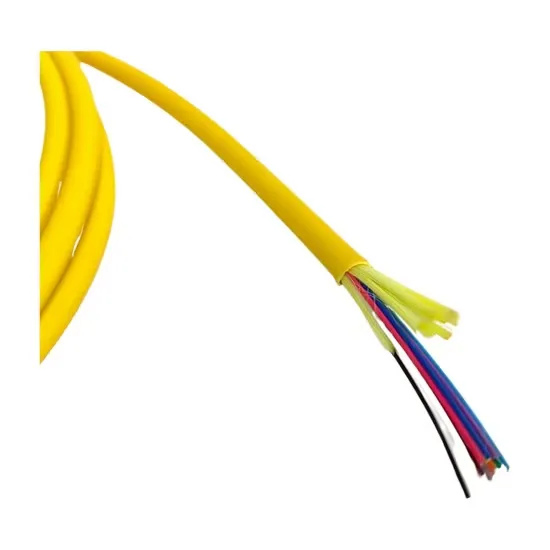
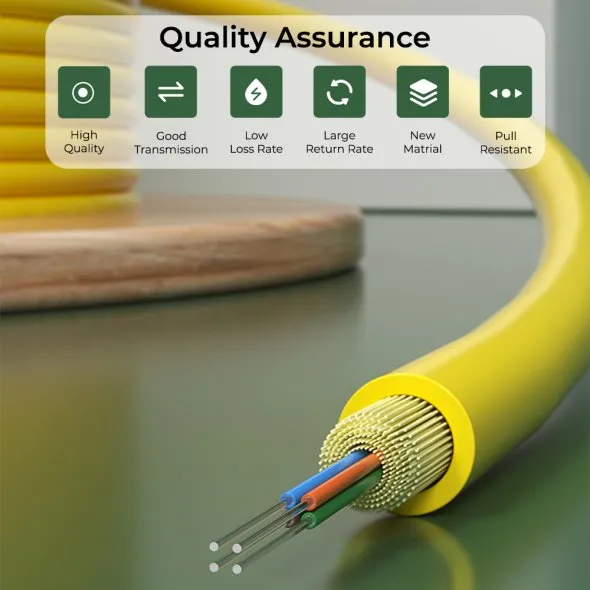
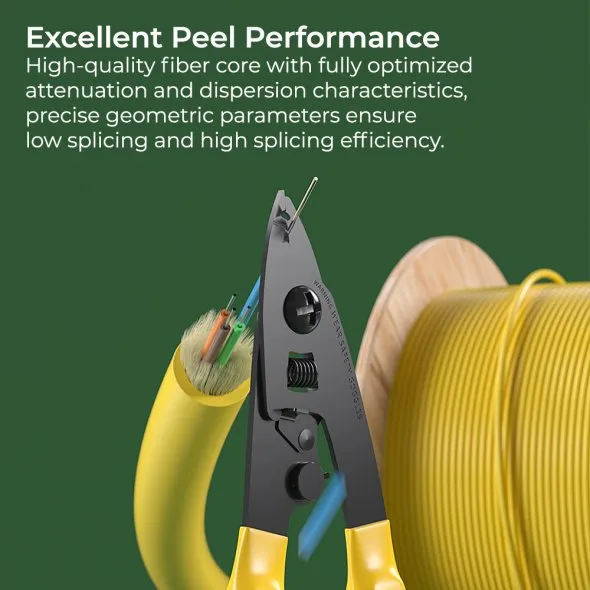
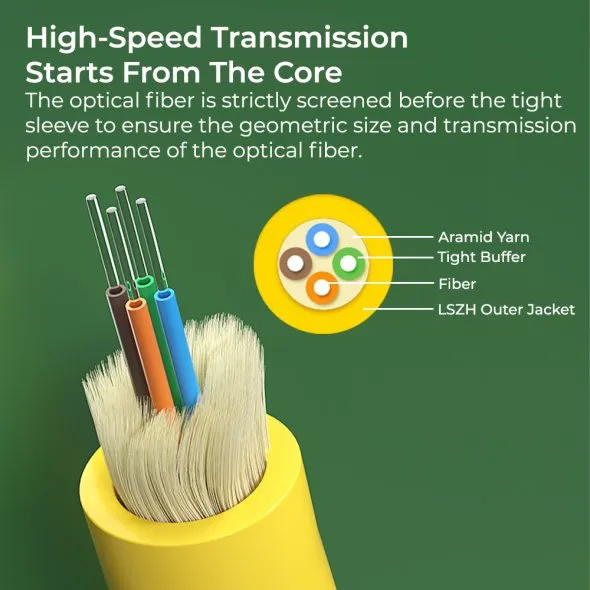
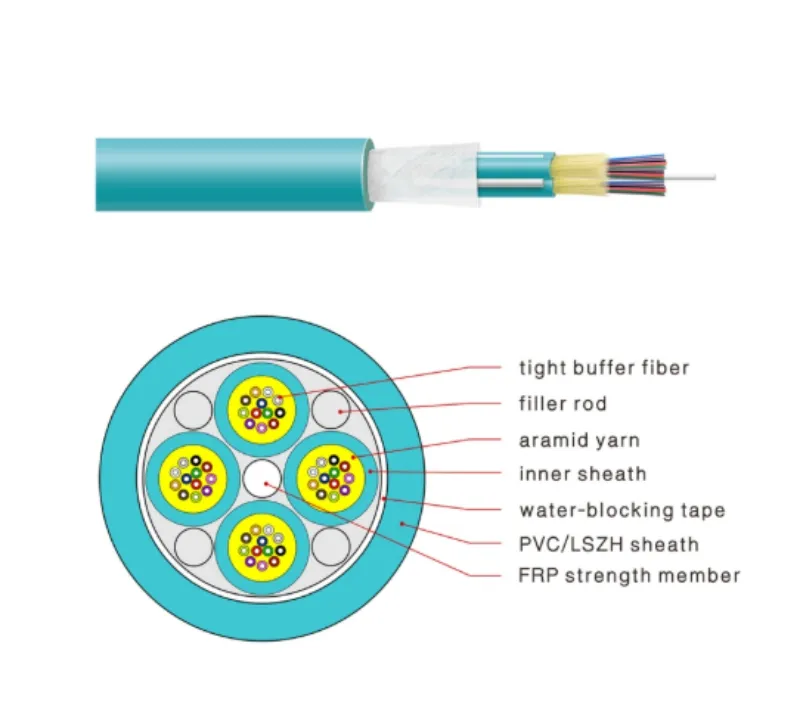
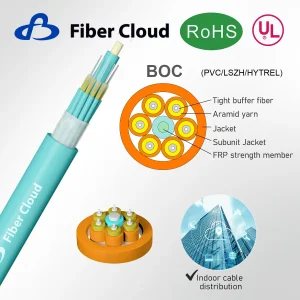
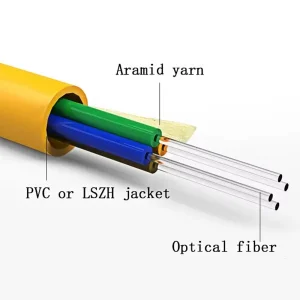
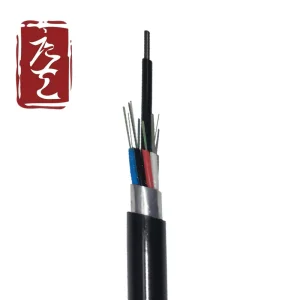
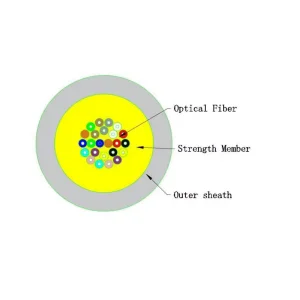
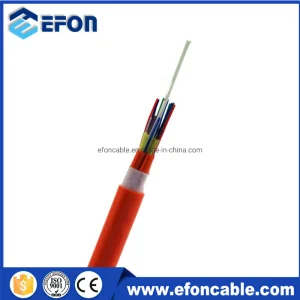
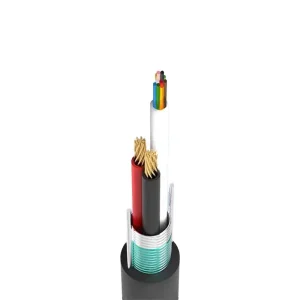
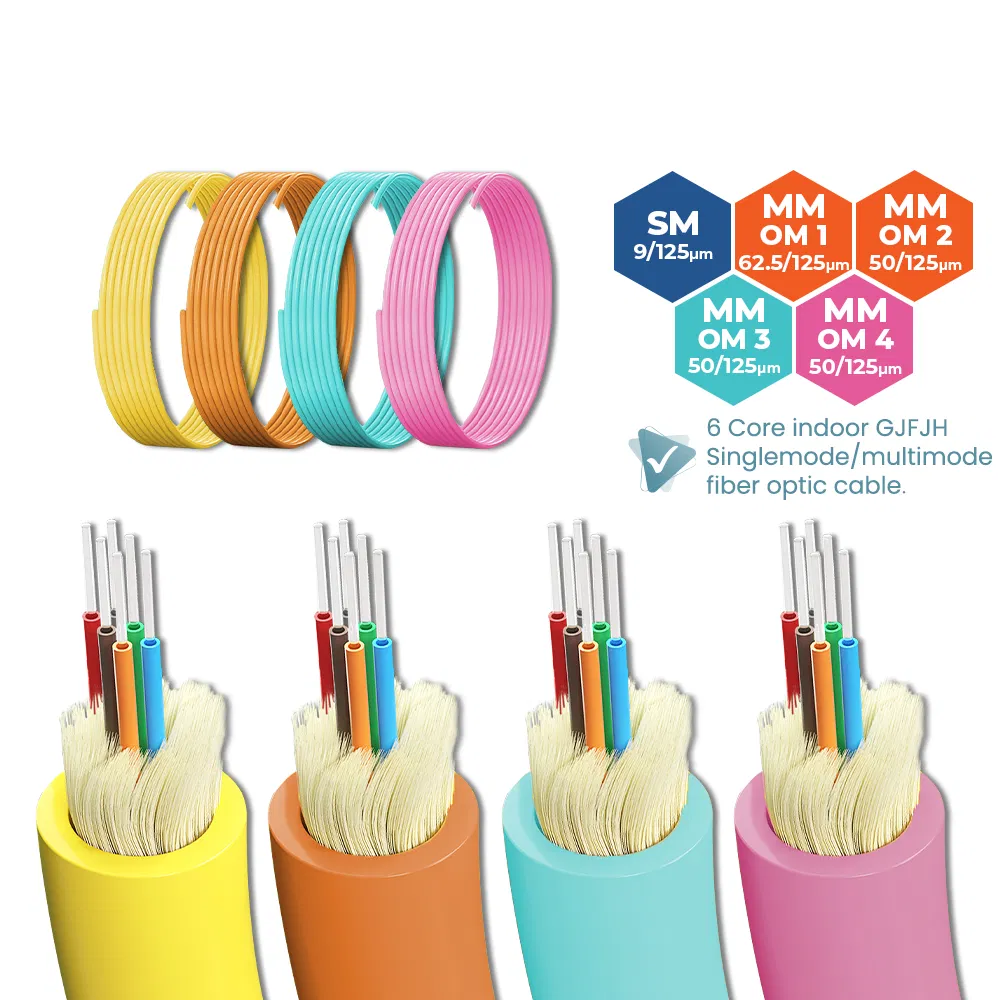
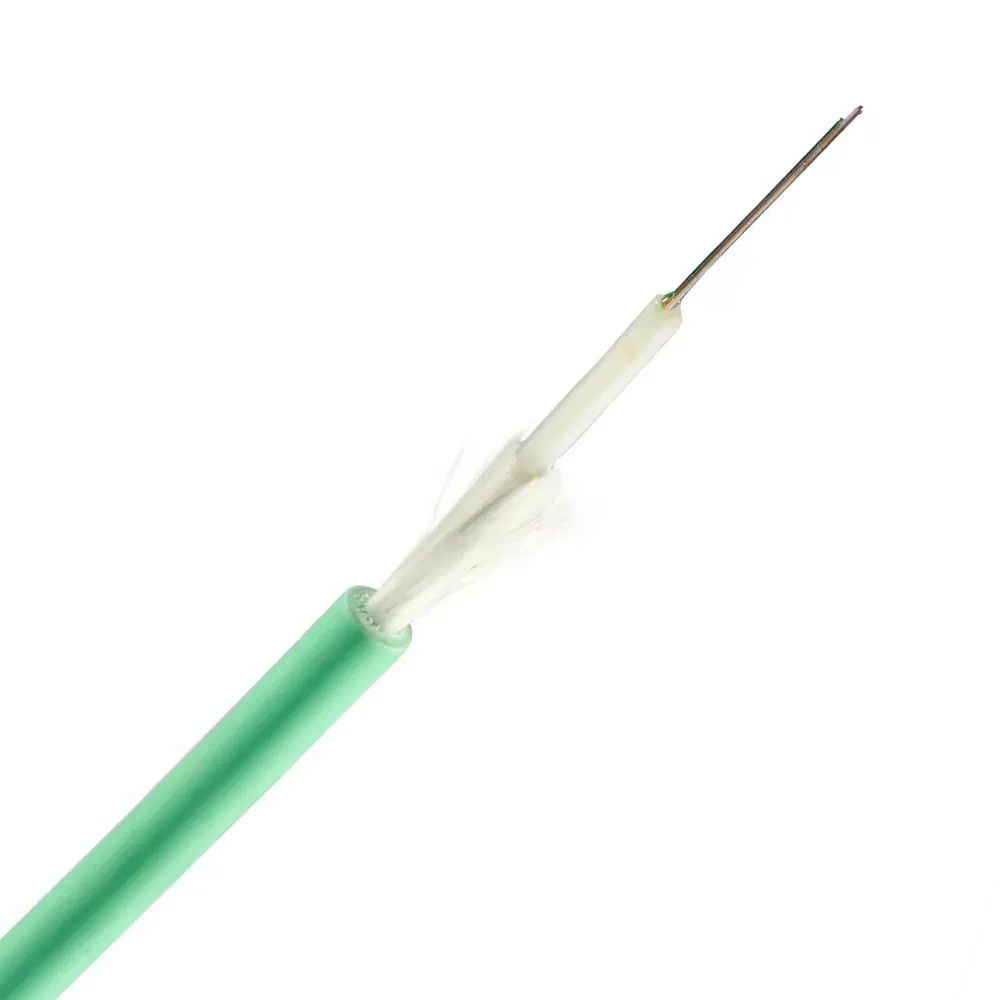
GJFJH Break-out cable features tight buffer fibers placed on the surface with a layer of aramid yarn as strength member units. Multiple fibers act as the subunit twist with FRP (and cushions) into a circle, finally enclosed in a PVC or LSZH sheath. The design incorporates dry-type water-blocking materials between the fiber and sheath. Each sub-cable contains aramid yarn, ensuring excellent bend performance, no gel for clean handling, and easy construction and connection.
Technical Parameters
| Parameter |
Specification |
G.652 |
G.655 |
50/125μm |
62.5/125μm |
| Attenuation (+20ºC) |
@850nm |
- |
- |
≤3.0dB/km |
≤3.0dB/km |
| @1300nm |
- |
- |
≤1.0dB/km |
≤1.0dB/km |
| @1310nm |
≤0.36dB/km |
- |
- |
- |
| @1550nm |
≤0.22dB/km |
≤0.23dB/km |
- |
- |
| Bandwidth (Class A) |
@850 |
- |
- |
≥200MHZ·km |
≥200MHZ·km |
| @1300 |
- |
- |
≥500MHZ·km |
≥500MHZ·km |
| Numerical Aperture |
- |
- |
0.200±0.015NA |
0.275±0.015NA |
Physical Specifications
| Fiber Count |
Subunit (mm) |
Cable Dia (mm) |
Weight (Kg/km) |
Tensile (L/S Term) N |
Crush (L/S Term) N/100m |
| 2 | 2.0 | 7.0±0.5 | 45 | 500/1000 | 400/800 |
| 4 | 2.0 | 7.0±0.5 | 45 | 500/1000 | 400/800 |
| 6 | 2.0 | 8.3±0.5 | 62 | 500/1000 | 400/800 |
| 8 | 2.0 | 9.4±0.5 | 85 | 500/1000 | 400/800 |
| 12 | 2.0 | 12.2±0.5 | 140 | 500/1000 | 400/800 |
✔️
Number of Fibers: 2 to 12 fibers supported for varied application densities.
✔️
Tight Buffer Material: LSZH (Low Smoke Zero Halogen) for fire safety and indoor protection.
✔️
Strength Member: Aramid Yarns (Kevlar) provide high tensile strength and mechanical resistance.
✔️
Tight Buffer Diameter: 0.9 ± 0.05 mm encapsulating the fiber core.
Key Features
🚀Great mechanical strength and lightweight design.
🚀Simple structure ideal for repeatable distribution.
🚀Resistant to oil, chemicals, low temperatures, and abrasion via LSZH jacket.
🚀Diminished fiber attenuation under environmental impact.
🚀Available in 2-48 cores (custom counts on request).
Applications
📍Indoor horizontal and vertical wiring in buildings and LAN networks.
📍Direct connector application for device connectivity.
📍Backbone cable tail for direct indoor/outdoor access to save junction box space.
Package and Shipping
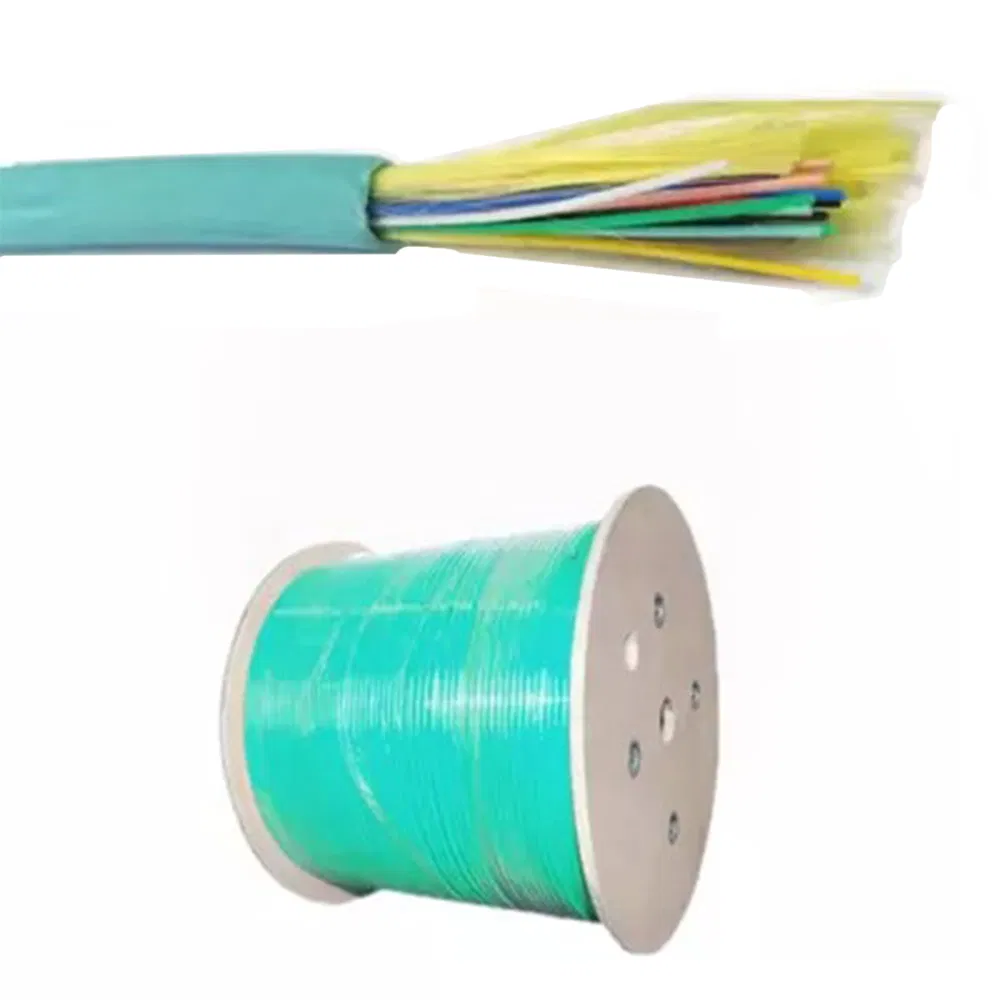
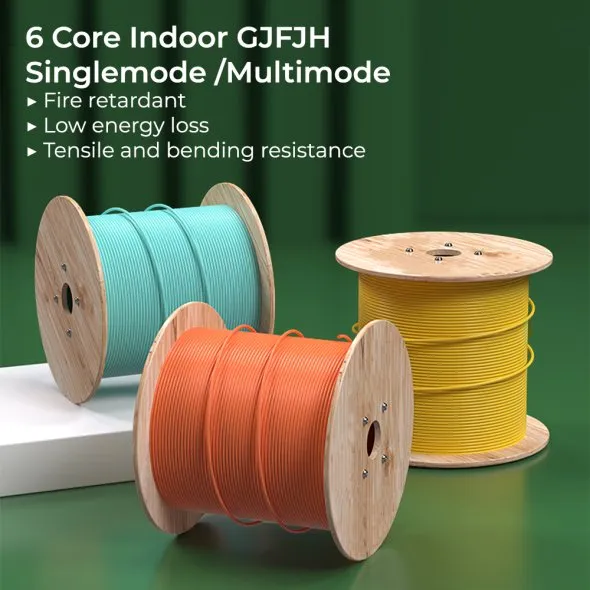
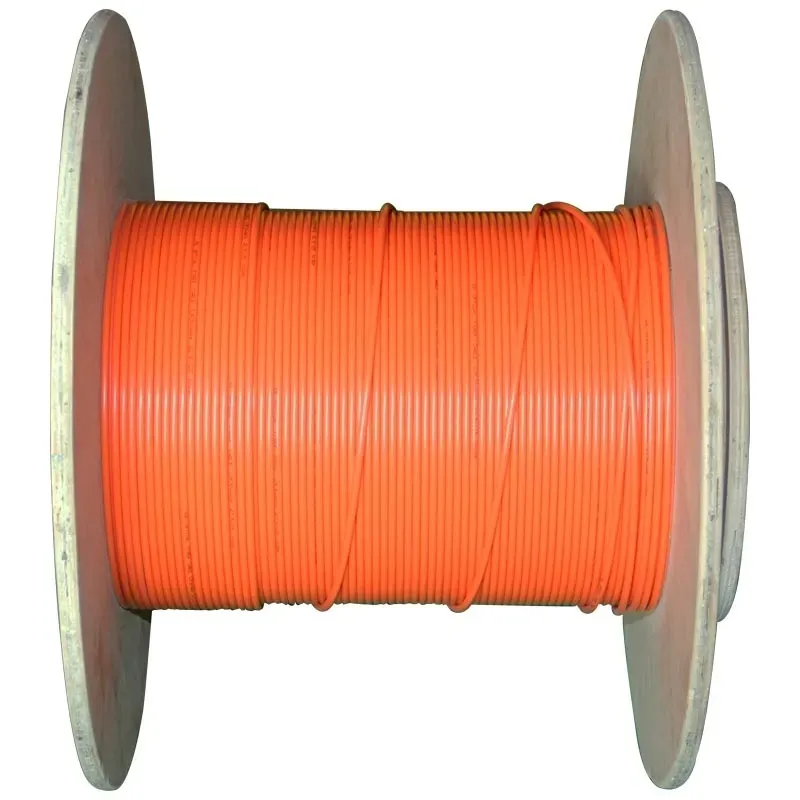
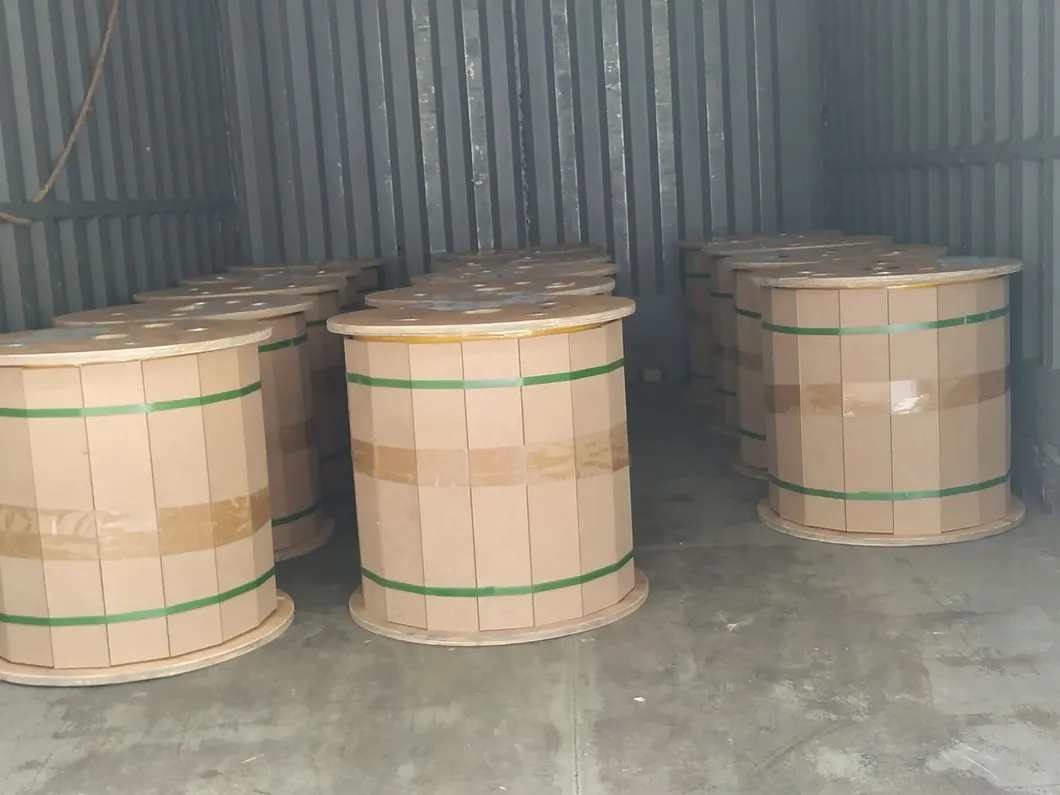
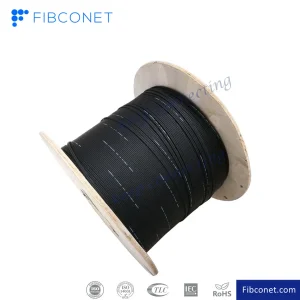
1. Wooden rolls: 1000m/reel, 2000m/reel, or 3000m/reel.
2. Dimensions: 110cm*110cm*71cm (approx. 0.85CBM) for outdoor drums.

Frequently Asked Questions (FAQ)
Q1: What is the main advantage of the GJFJH break-out cable design?
A: The GJFJH cable uses tight-buffered fibers with aramid yarn strength members, making it gel-free, easy to clean, and highly flexible for indoor construction and connection.
Q2: Can this cable be used for vertical building wiring?
A: Yes, it is specifically designed for indoor horizontal and vertical wiring, as well as LAN backbone networks.
Q3: Is the jacket material fire-resistant?
A: Yes, the cable typically utilizes an LSZH (Low Smoke Zero Halogen) jacket, which is flame-retardant and safe for indoor environments.
Q4: What fiber counts are available for the GJFJH series?
A: Standard configurations range from 2 to 12 fibers, but options up to 48 cores are available upon request.
Q5: Does the cable provide protection against mechanical stress?
A: Absolutely. It incorporates Aramid Yarns (Kevlar) as strength members to provide high tensile strength and resistance to crushing and mechanical impact.
Q6: How is the fiber identified within the cable?
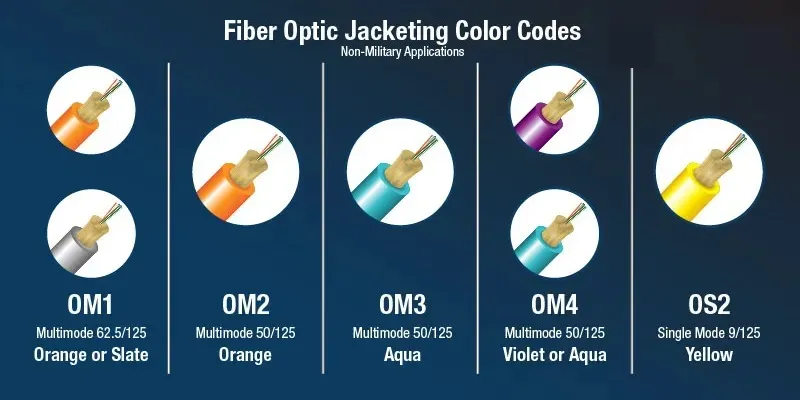
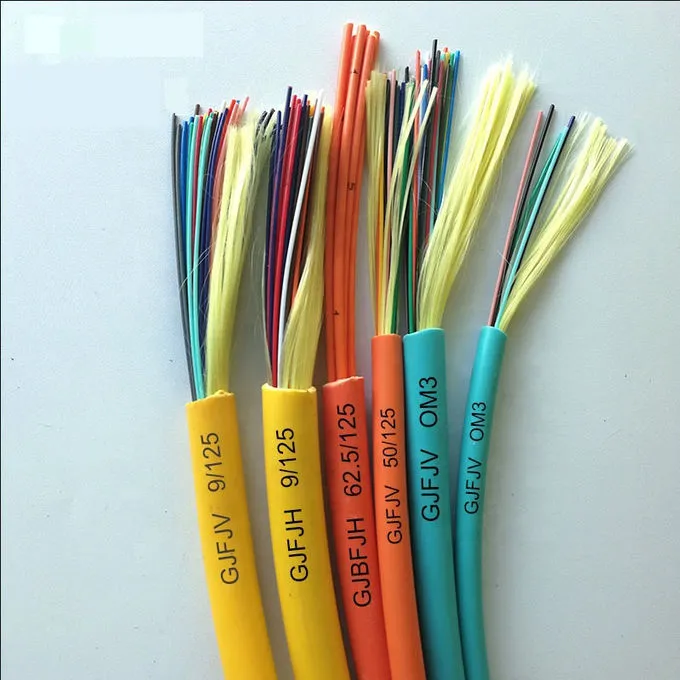
A: The cable follows a standard Fiber Color Code system for easy identification of individual fibers during installation and splicing.
 XT Cabled