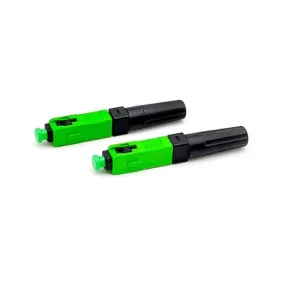
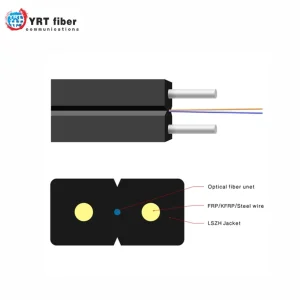
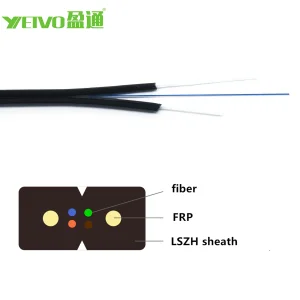
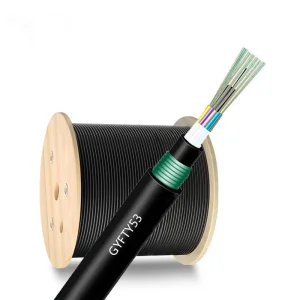
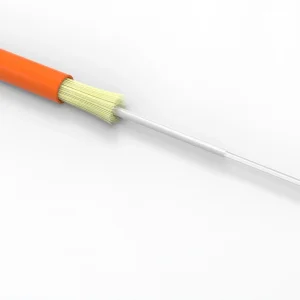
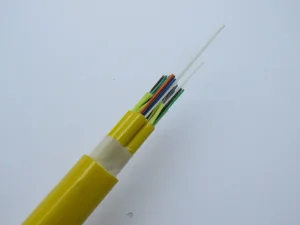
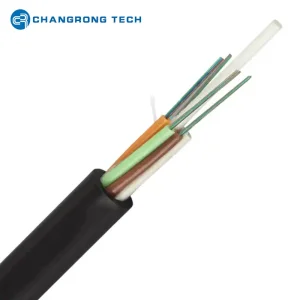
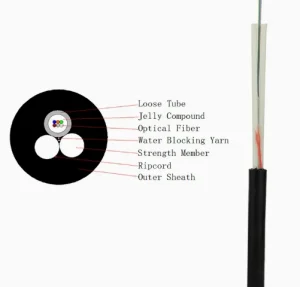
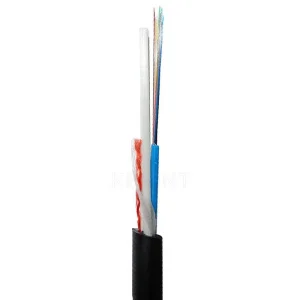
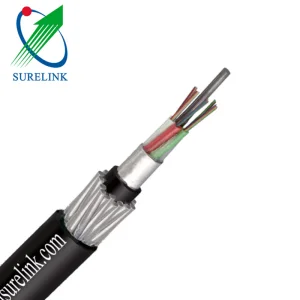
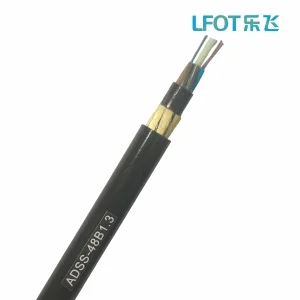
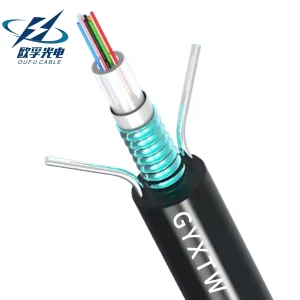
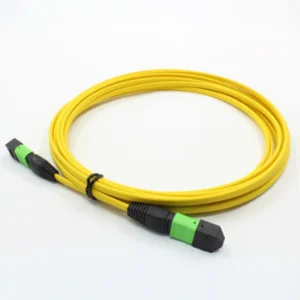
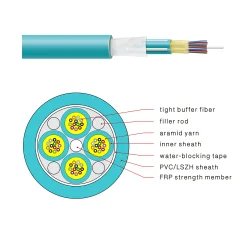
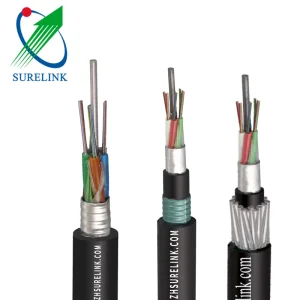
Explore our featured high-performance Single-Mode and Multi-Mode drop cables, subsea armored fibers, and high-density distribution configurations.
Comprehensive overview of manufacturing capacities, design scope, and raw structural competency.
Dongguan XT Cabled Co., Ltd. is a professional manufacturer specializing in fiber optic cables and optical connectivity solutions for industrial, telecommunications, and data center applications. Established in 2012, the company is strategically located in Dongguan, Guangdong Province—one of China's leading global manufacturing hubs. Spanning a state-of-the-art production facility covering over 12,000 square meters and powered by a highly specialized workforce of more than 180 employees, XT Cabled is committed to engineering reliable, ultra-high-performance fiber optic products for global system integrators, telecommunication carriers, and industrial automation networks.
The company's robust product portfolio comprises single-mode fiber optic cables, multi-mode fiber optic cables, FTTH/FTTR drop assemblies, armored outdoor optical cables, high-density MPO/MTP data center trunking solutions, and industrial-grade custom optical couplers. By integrating advanced production lines with modern inspection and testing laboratories, XT Cabled enforces structural excellence across all phases of product development—enabling robust, low-loss optical signal distribution under extreme environmental operating conditions.
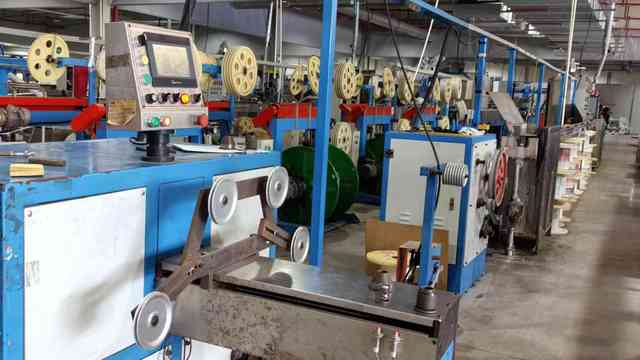
Highly optimized, climate-controlled manufacturing floors operating modern extrusion lines and fiber coupling assemblies.
Comprising senior optoelectronic engineers, quality analysts, and system design experts focusing on precision manufacturing.
Products engineered to meet rigorous EU, North American, and Asian telecom standards, satisfying strict ITU-T specifications.
Full lifecycle custom tailoring, from custom sheath extrusion and optical split configurations to customized packaging.
The technical guidelines, parameters, and structural integrity requirements modern purchasers expect.
In modern optoelectronics networks, fiber optic couplers and splitters function as critical nodes. For telecommunications operators and hyperscale data centers, sourcing passive components involves navigating complex performance parameters that directly impact network reliability and overall optical link budget. High-grade fiber optic couplers must satisfy rigorous physical metrics:
Dongguan XT Cabled Co., Ltd. addresses these design challenges through careful manufacturing of core coupler sub-elements. By utilizing high-purity silica cladding materials, precision ceramic ferrules, and maintaining an ISO-certified environment, we guarantee our couplers maintain continuous operation without degradation. Every production batch undergoes extensive testing, ensuring compliance with Telcordia GR-1209-CORE and GR-1221-CORE criteria.
Why manufacturing in Dongguan translates to superior consistency, speed, and cost efficiency.
Our base in Dongguan places us in close proximity to major raw material processors, specialized polymer compound suppliers, and advanced packaging plants, reducing sourcing lead times.
We employ real-time continuous monitoring systems to track fiber tension, concentricity, and jacket diameter during extrusion, minimizing production variance.
Immediate proximity to major deep-water ports in Shenzhen and Guangzhou enables optimized global container shipping, helping clients maintain tight project schedules.
Our operational model leverages these geographic strengths to scale production in response to sudden changes in market demand. Whether you need standard FTTH single-mode drop cable assemblies or complex subsea armored optical cables, our integrated supply chain delivers high consistency at a competitive cost point.
Assuring smooth market entry, regulatory alignment, and long-term project viability across jurisdictions.
Deploying fiber optic products in regulated markets like the European Union, North America, and Australia requires full compliance with regional safety, environmental, and structural standards. XT Cabled integrates compliance design directly into our material sourcing and production processes.
Our indoor and riser optical cables are fully certified under EU CPR classes (e.g., Dca, Cca, B2ca). This certification guarantees strict limits on smoke generation, flame spread, and toxic acidity in public and enterprise buildings.
All sheathing compounds (including LSZH, PVC, PE, and Nylon) and internal strength members are free from restricted heavy metals, meeting EU environmental safety and human health directives.
Our cables are manufactured using glass cores that strictly align with ITU-T G.652.D (low water peak single-mode) and G.657.A1/A2 (bend-insensitive single-mode) specs, ensuring cross-manufacturer compatibility.
A look inside our 12,000 square meter factory floor, testing cleanrooms, and testing departments.
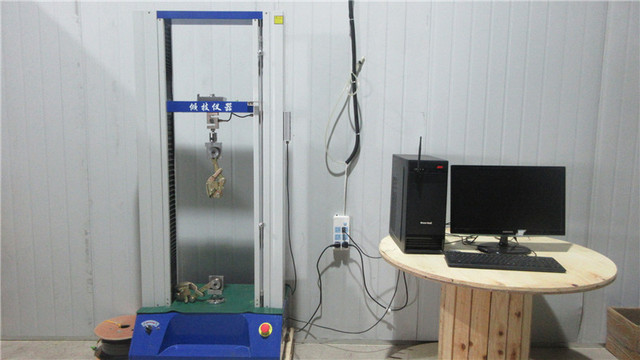
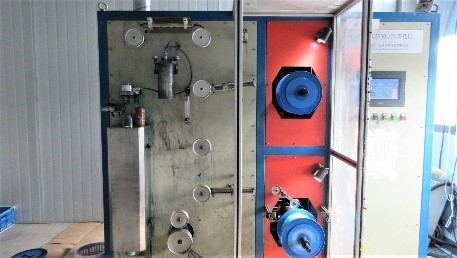
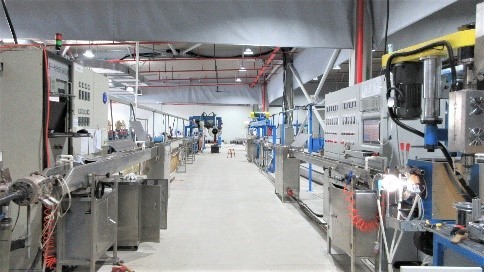
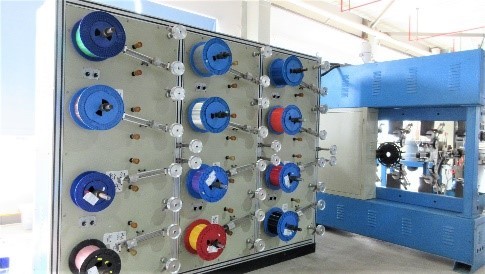
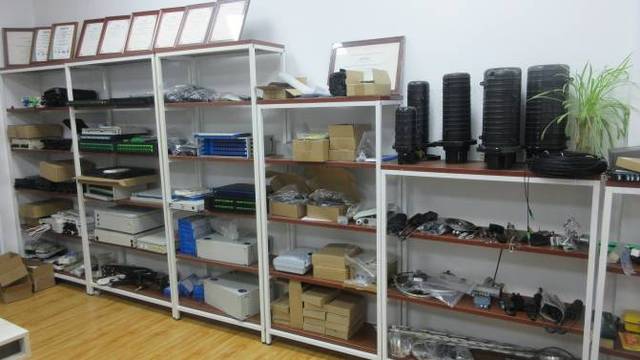


From core telecommunication layers to highly complex, specialized industrial environments.
GPON, EPON, and 10G-PON fiber-to-the-home and fiber-to-the-room applications depend on consistent coupling. Our drop cables and PLC couplers split optical power from central offices to subscriber units with minimal loss and high signal reliability.
Modern cloud facilities running machine learning clusters require high density. Our MPO/MTP ribbon trunking and ultra-high-density distribution products enable high port density, helping manage cross-connect structures.
Factory floors present mechanical and environmental challenges, including electromagnetic interference, temperature swings, and vibration. XT Cabled's non-metallic GYFTY and ADSS cables protect communication links from electrical interference.
Analyzing market trends, including CPO (Co-Packaged Optics), multi-core fibers, and the shift to 800G/1.6T speeds.
The global fiber optic coupling market is undergoing major shifts driven by the deployment of 5G, planned 6G cellular architectures, and the interconnect requirements of generative AI clusters. As link speeds rise toward 800G and 1.6T, standard transceivers face physical limits. Key trends shaping the future of passive optical networks include:
1. The Rise of Co-Packaged Optics (CPO): Silicon photonics integration is moving optical components directly onto the ASIC substrate. This transition requires fiber optic couplers and splitters to feature smaller footprints, heat tolerance, and polarization stability to maintain alignment with silicon waveguides.
2. Transition to Multi-Core Fiber (MCF) Coupling: To overcome the capacity limits of single-core silica fibers, multi-core fiber architectures are moving from research into field deployment. Developing multi-core couplers that can split signals across multiple spatial cores with low crosstalk is critical for next-generation transmission systems.
3. Demand for Bend-Insensitive Fiber Structures: Modern fiber installations require tight bend radii in small indoor enclosures and pathway routing. Sourcing systems designed around G.657.A2 standards ensures minimal macrobending losses, even in tight physical installations.
Answering common technical questions on passive optical component specifications, mechanical properties, and manufacturing options.
Heavy-duty underground, submarine, hybrid, and high-density MPO cabling configurations.
 XT Cabled