Engineered for carrier-grade network backbones, data center interconnects, and demanding environmental deployments.
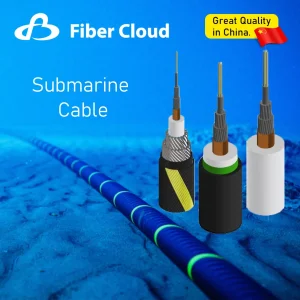
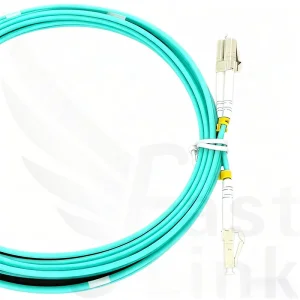
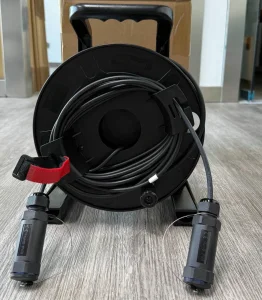
In the modern era of high-speed telecommunications, the physical integrity of fiber optic connections remains the foundation of global data flow. As 5G density increases, data center capabilities scale up, and Fiber-to-the-Home (FTTH) networks reach maturity, optical fiber management solutions must meet strict performance requirements. Among these, the fiber splice tray plays an important role as a protective organizer for fusion-spliced fibers, preventing signal attenuation and structural wear over time.
Dongguan XT Cabled Co., Ltd. (established in 2012) is a specialized manufacturer of high-precision fiber optic cables and advanced connectivity accessories. From our production base in Dongguan, Guangdong Province, we supply reliable passive components designed to withstand challenging environments and high-capacity setups.
"An optical distribution network is only as strong as its weakest connection. A high-quality fiber splice tray does more than just hold splices; it maintains the correct bend radius, organizes routing paths, and isolates sensitive fusion points from physical stress and environmental changes."
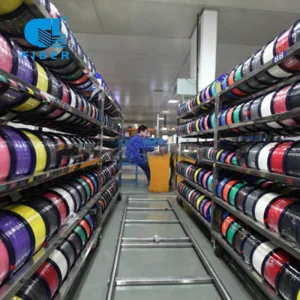
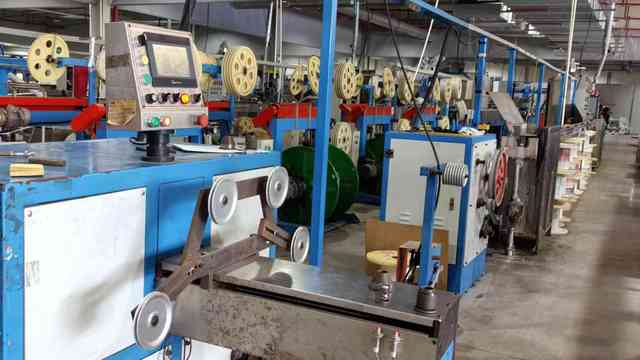
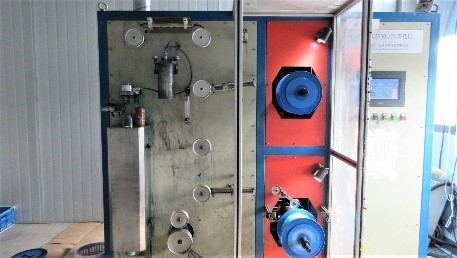
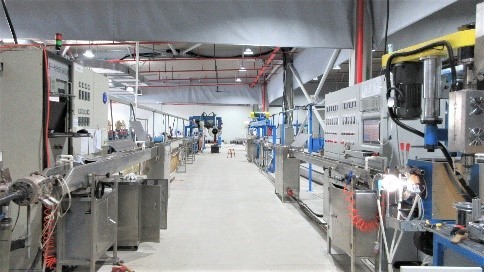
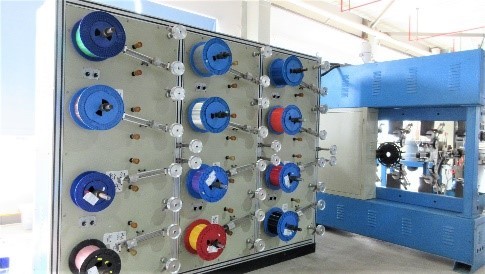
At Dongguan XT Cabled Co., Ltd., we combine technical expertise with scaled production. Our facilities feature advanced manufacturing infrastructure designed to meet the quality standards of global telecom projects:
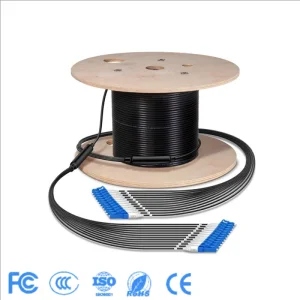
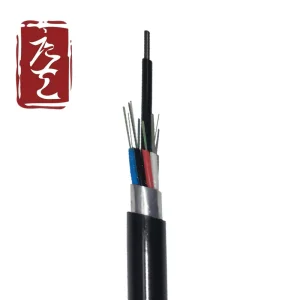
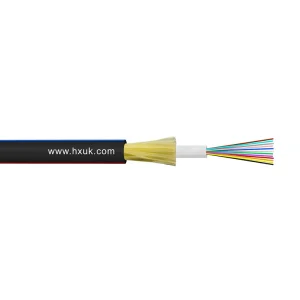
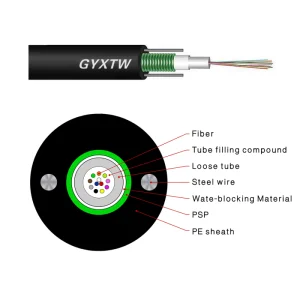
Our comprehensive fiber ecosystem integrates seamlessly with custom spice organizer systems:
How changing global telecom standards are shaping the next generation of optical splicing and distribution components.
Modern network hubs require space-saving designs. Splicing solutions have shifted from rigid 12-core layouts to modular, stackable trays supporting 24, 48, or even 96 splices, allowing engineers to scale capacity without redesigning chassis footprint.
Using premium ABS-PC composites ensures trays are fire-resistant (UL94-V0 rating), chemical-resistant, and stable across a wide temperature range (-40°C to +85°C), protecting fibers in outdoor enclosures.
Modern single-mode and multi-mode fibers are sensitive to macrobending losses. Modern splice trays feature structured routing pathways that enforce a minimum 30mm bend radius to preserve optical performance.
A deep dive into the technical details and design principles of industrial-grade optical routing trays.
B2B buyers, infrastructure planners, and network engineers require detailed physical specifications when sourcing splicing equipment. Quality splice trays must perform reliably under thermal stress and mechanical load.
Splice trays are engineered to handle the delicate transition between the bare fiber and buffer tubes. Our designs focus on three key principles:
Addressing logistics, custom manufacturing, and technical challenges for worldwide procurement teams.
Large network projects often require custom components. Standard off-the-shelf items may not fit specific fiber closure shapes or patch panel configurations. Dongguan XT Cabled Co., Ltd. offers customized ODM services, modifying structural dimensions, mount designs, and branding to meet your project's technical specifications.
Whether your project requires custom color coding for fiber routing, localized compliance markings, or unique mounting brackets for outdoor dome closures, our technical team can assist from initial CAD design to prototype testing and mass production.
Sourcing fiber management hardware globally requires reliable logistics. Based in Dongguan, near major shipping ports in Shenzhen, Guangzhou, and Hong Kong, we help ensure predictable delivery times.
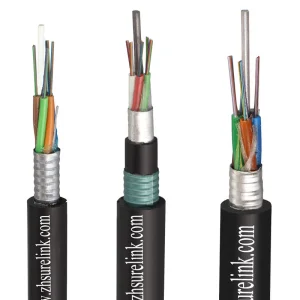
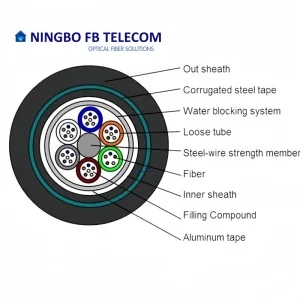
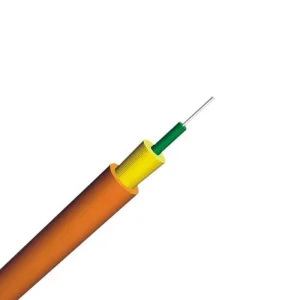
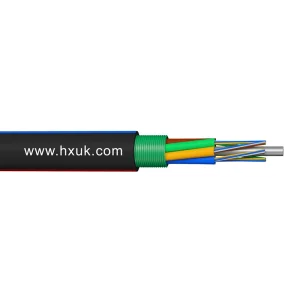
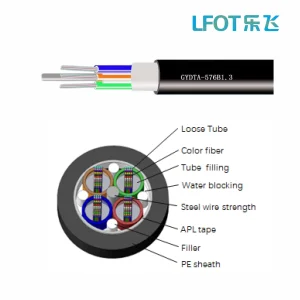
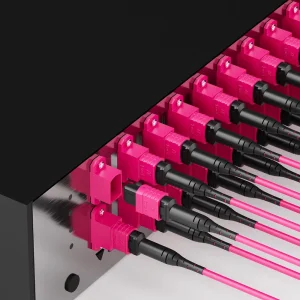
Splice trays are part of a larger network system. To ensure reliable performance, they must integrate with various optical fiber designs. Our splice trays are built for compatibility with:
Underlining reliability, certified production, and strict mechanical testing procedures.
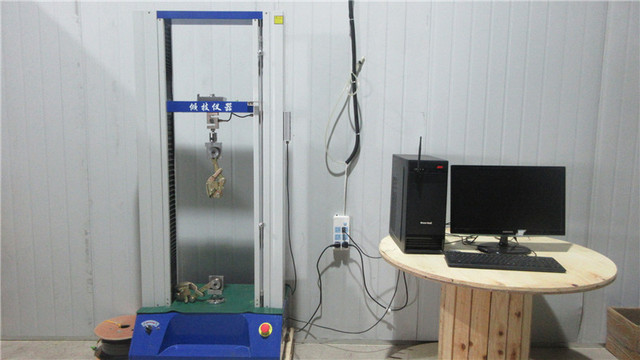
Each manufacturing run undergoes testing to ensure durability and reliability in the field:
Trays are tested under extreme temperature cycles (-40°C to +85°C) for 96 hours to verify that the ABS+PC compound does not warp or crack, ensuring it continues to support fiber routing paths in outdoor enclosures.
Drop testing is performed from a height of 1.5 meters onto flat concrete. The structural components must remain intact, and the cover clips must hold securely to prevent damage from accidental drops during installation.
Hinges and stackable joints are subjected to opening and closing cycles. Hinges must remain stable and retain their grip, ensuring they stay aligned after years of maintenance and adjustments.
The future of fiber routing management in high-speed networks.
Development of ultra-thin, stackable trays designed for double-layer storage systems. These setups allow 48 cores of splicing in the same physical footprint as standard 24-core trays, meeting the needs of space-constrained edge computing environments.
Transitioning to bio-based flame-retardant polymers. These new materials match the mechanical strength and UL94-V0 safety ratings of traditional ABS-PC plastics while reducing environmental footprint, helping global partners meet green initiatives.
Integrating passive RFID tags and QR code marking directly into the tray structure. This update helps field engineers track specific trays and fiber groups within large distribution racks using digital management databases.
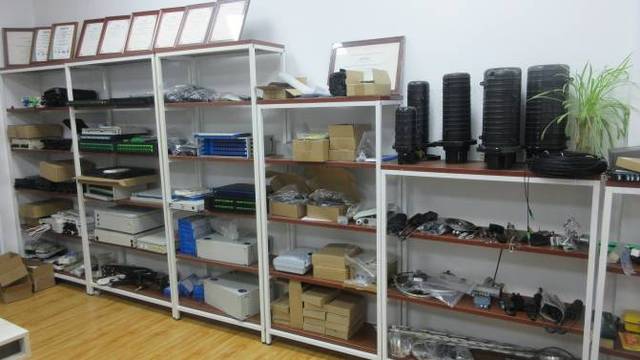
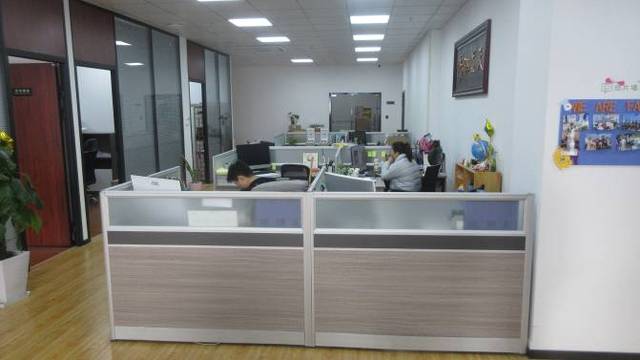
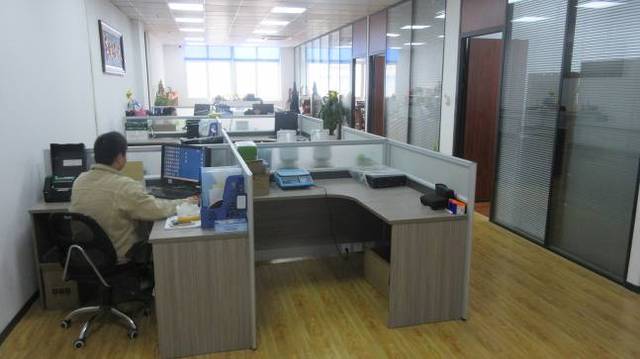
Take a virtual tour of Dongguan XT Cabled Co., Ltd.’s operations, quality control laboratories, and shipping hubs.
Expert technical answers to common questions about sourcing, installing, and using fiber splice trays.
Explore our full line of indoor, outdoor, and high-compatibility fiber optic cabling products designed to integrate with our fiber management components.
 XT Cabled