In an era dominated by cloud computing, high-frequency algorithmic trading, and dense 5G network architectures, the optical distribution layer has transitioned from simple passive routing components into a strategic asset. The Fiber Distribution Frame (FDF), alongside the broader Optical Distribution Frame (ODF) configurations, acts as the nerve center of modern central offices and carrier data centers. These environments handle thousands of singlemode and multimode optical connections, demanding unprecedented patch panel management efficiencies, reliable splice integration, and minimal insertion loss.
Engineers and network architects prioritize customizable OEM/ODM solutions to mitigate spatial bottlenecks inside 19-inch racks. By tailoring cable pathways, bending radiuses, and modular tray arrays, infrastructure managers can secure low-attenuation transmission. This architecture supports high-speed data formats, such as 400G and 800G, over extended deployment lifespans.
Integrating dense structures requires strict compliance with performance baselines:
Modern cloud infrastructure operates under pay-as-you-grow dynamics. FDF architectures must adapt, offering sliding modular chassis configurations that allow users to hot-swap LC duplex or MPO cassette modules without interrupting surrounding production trunks.
As routing pathways contract within hyper-dense frames, microbending and macrobending attenuation risks spike. Using ITU-T G.657.A2 single-mode optical fibers within internal splice trays guarantees signal integrity at critical wavelengths (1310nm, 1550nm, and 1625nm).
Industry 4.0 data centers rely on smart patching frameworks. Integration of RFID or optical sensing mechanisms on patch panels enables automated mapping of interconnect networks, mitigating human error during MAC (Moves, Adds, and Changes) procedures.
Our engineers design custom optical patch panels and enclosures conforming to the strictest global regulatory frameworks, including Telcordia GR-449-CORE, IEC 60794, and RoHS directives. Below are standard guidelines available for tailor-made OEM operations.
| Parameter Category | Standard OEM Configurations | High-Density Enterprise Specifications |
|---|---|---|
| Chassis Form Factor | 1U, 2U, 3U, 4U, 6U rackmount enclosures (19" or 21" mounting rails) | ETSI cabinets and custom wall-mount optical distribution units |
| Adapter Interfacing | LC Duplex, SC Simplex, ST, FC (APC or UPC polishing) | High-density MTP/MPO cassettes and SN/CS connectors |
| Enclosure Material | 1.2mm/1.5mm Cold Rolled Steel (CRS) with powder coating | Lightweight, heavy-duty Anodized Aluminum alloy |
| Fiber Management Accessories | Integrated splice trays, radius limiters, cable ties, routing guides | Pivoting/sliding trays with modular breakout sub-racks |
| Cable Entry Points | Rear and side knockout entry holes with rubber grommets | Pressurized gas-sealing glands for outdoor optical cables |
Dongguan XT Cabled Co., Ltd. is a professional manufacturer specializing in fiber optic cables and optical connectivity solutions for industrial, telecommunications, and data center applications. Established in 2012, the company is located in Dongguan, Guangdong Province, one of China's leading manufacturing hubs. With a production facility covering over 12,000 square meters and a team of more than 180 employees, XT Cabled is committed to delivering reliable, high-performance fiber optic products to customers worldwide.
The company's product portfolio includes single-mode fiber optic cables, multi-mode fiber optic cables, FTTH cables, armored fiber optic cables, outdoor fiber cables, indoor fiber cables, data center cabling solutions, industrial optical cables, and customized optical connectivity products. These solutions are widely used in telecommunications networks, broadband infrastructure, smart buildings, industrial automation systems, cloud computing facilities, and large-scale data centers.
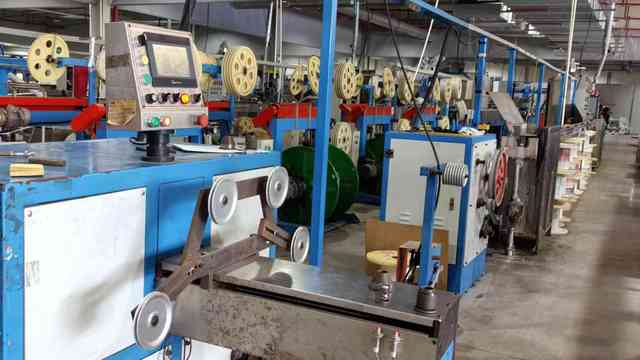
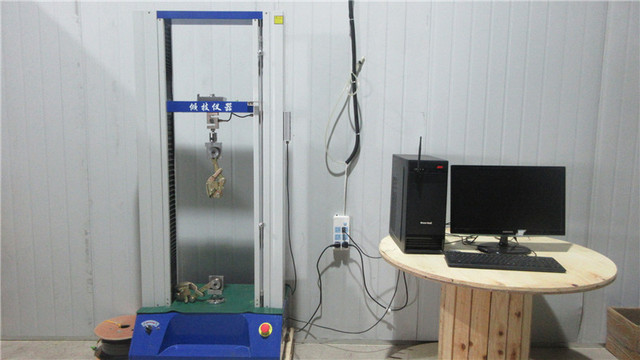
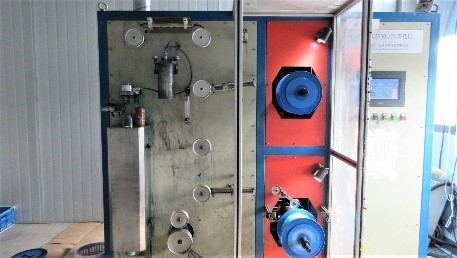
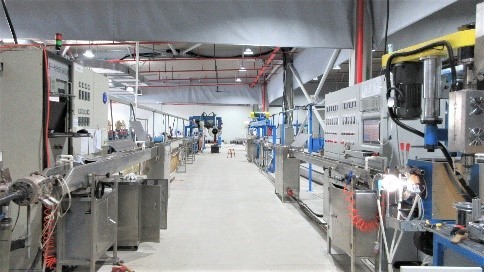
XT Cabled operates advanced production lines and testing laboratories equipped with modern inspection instruments to ensure product consistency and compliance with international quality standards. The company follows strict quality management procedures throughout material sourcing, manufacturing, testing, and delivery processes. Its products are manufactured in accordance with recognized industry standards and are supplied to customers across North America, Europe, Southeast Asia, the Middle East, and other global markets.
In addition to standard products, XT Cabled provides OEM and ODM manufacturing services, supporting customers with customized cable structures, specifications, packaging, and branding requirements. Through continuous investment in technology, manufacturing efficiency, and customer service, Dongguan XT Cabled Co., Ltd. strives to be a trusted partner for global optical communication and network infrastructure projects.
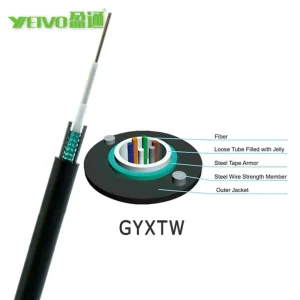
Managing high-density trunk lines and inter-rack cross-connections. The integrated splice tray mechanisms in our ODF setups facilitate smooth routing transitions from outdoor loose-tube ADSS or buried armored cables to sensitive indoor breakout assemblies without crimping fibers.
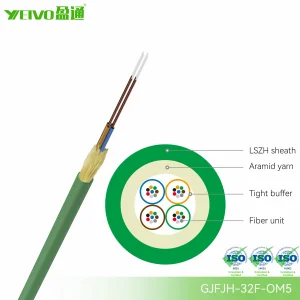
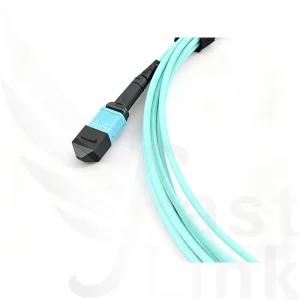
Configured for ultra-high-density patch-only frameworks using MPO female patch cables and OM5 multimode fiber. These applications require minimal downtime and rapid deployment cycles, supported by slide-out drawers that simplify tracing individual paths.
Engineered to withstand vibrations, temperature shifts, and chemical exposure in industrial environments. Using rugged steel housings, our wall-mounted enclosures guard critical fiber nodes in automated manufacturing sites and chemical processing facilities.
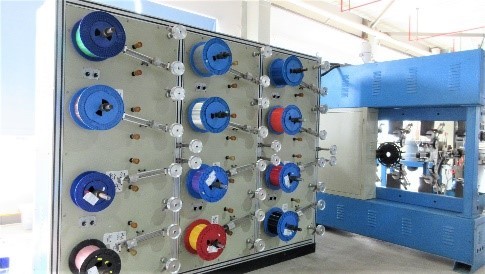
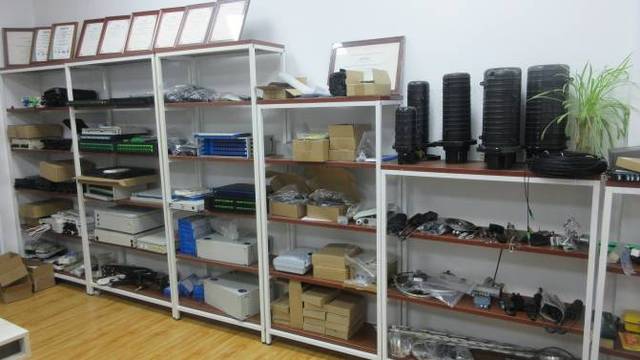
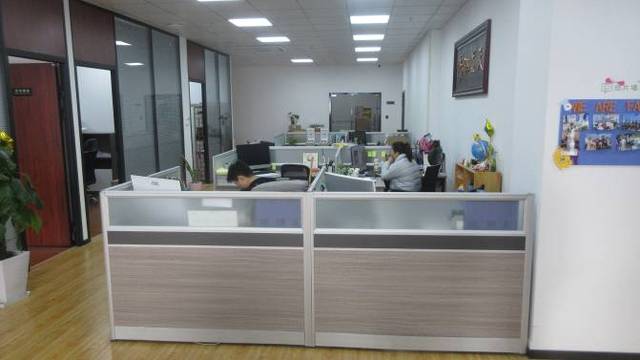
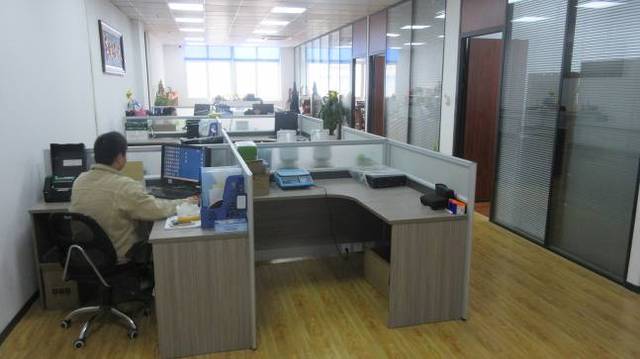
Our 12,000 square meter facility houses advanced assembly machines, environmental testing chambers, and optical testing stations. Below are photographs showing our actual production floors, QC checks, and shipping bays.
 XT Cabled