Product Overview
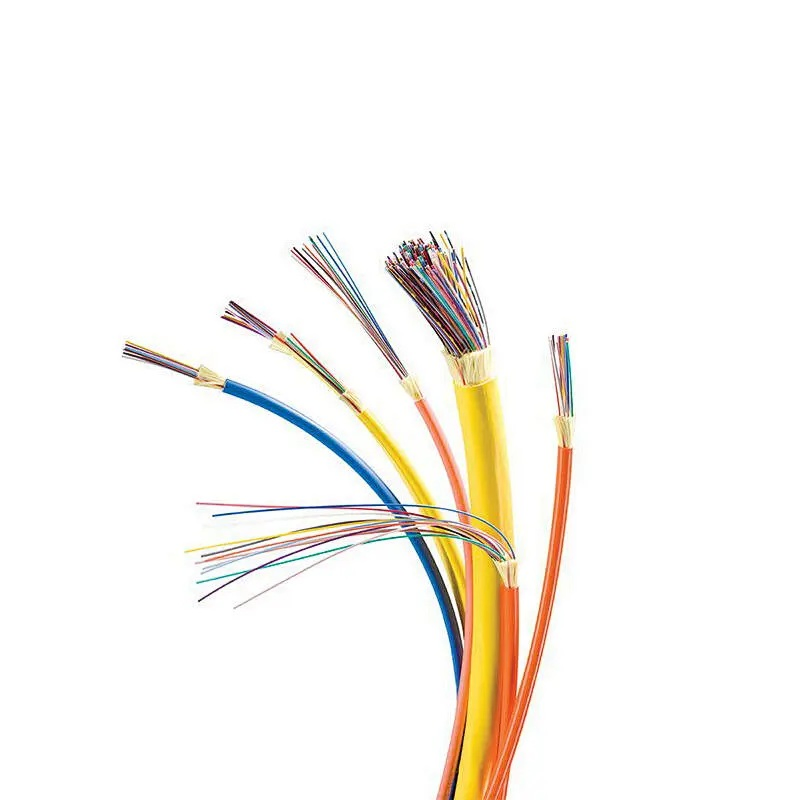
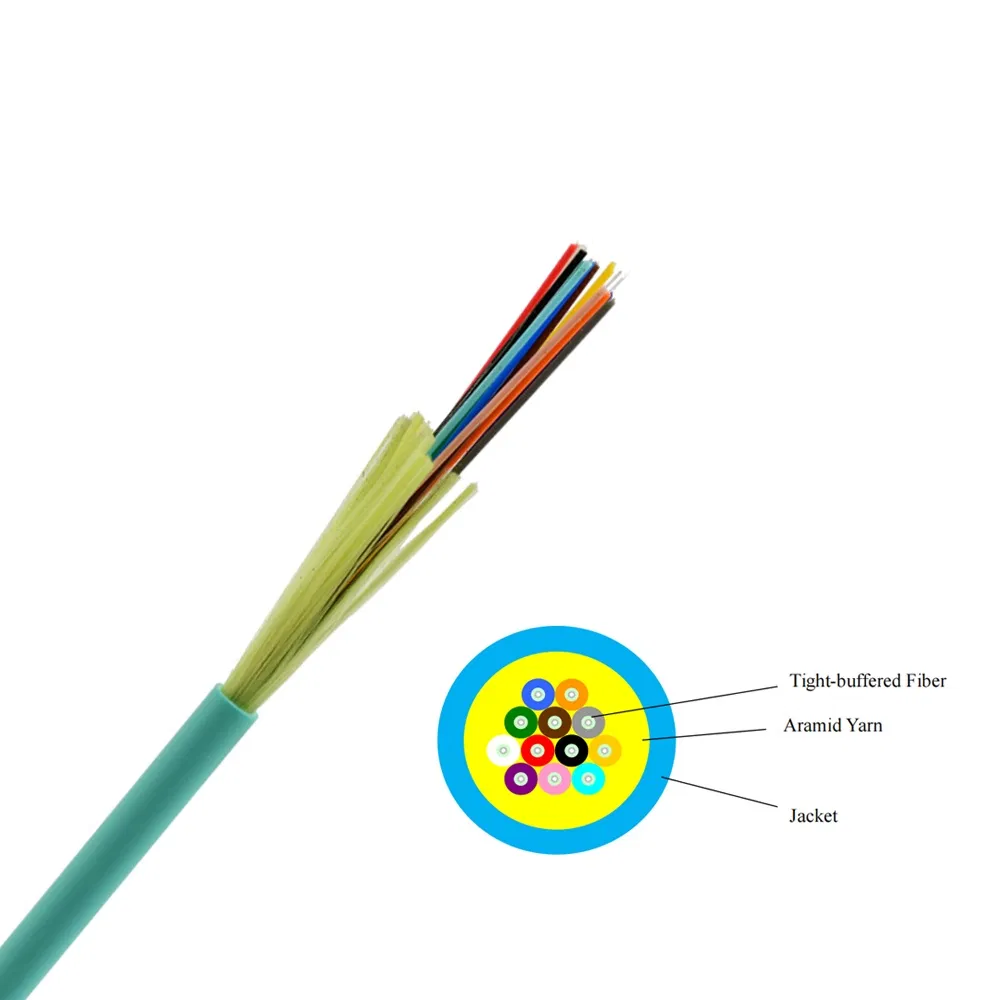
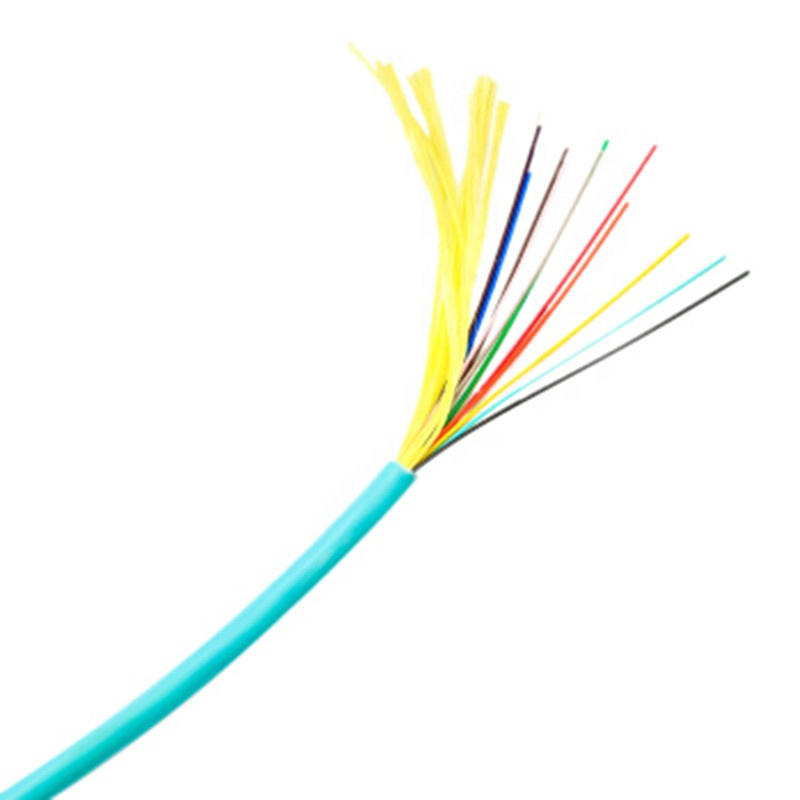
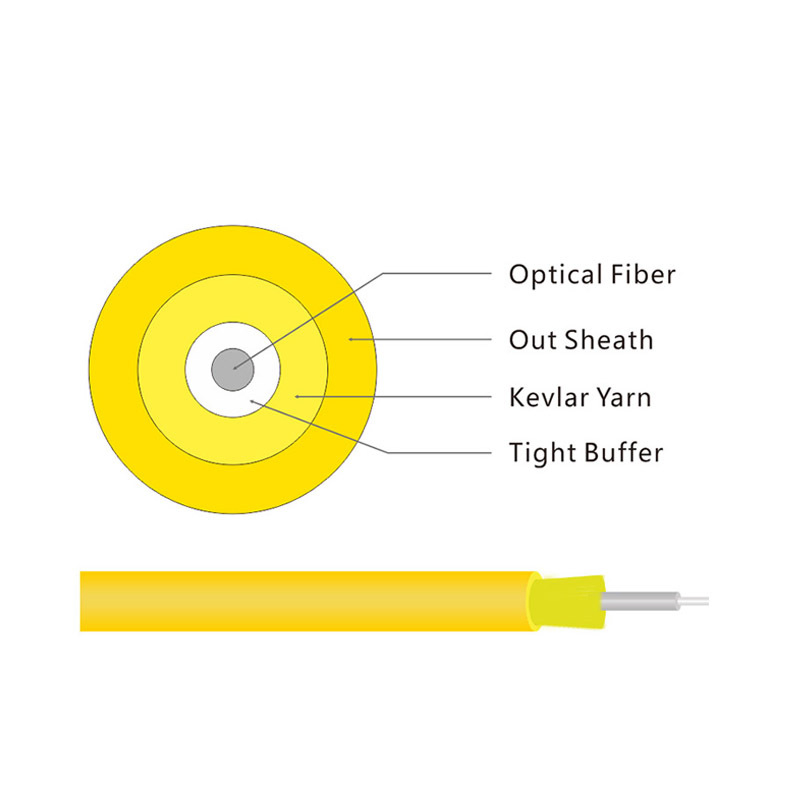
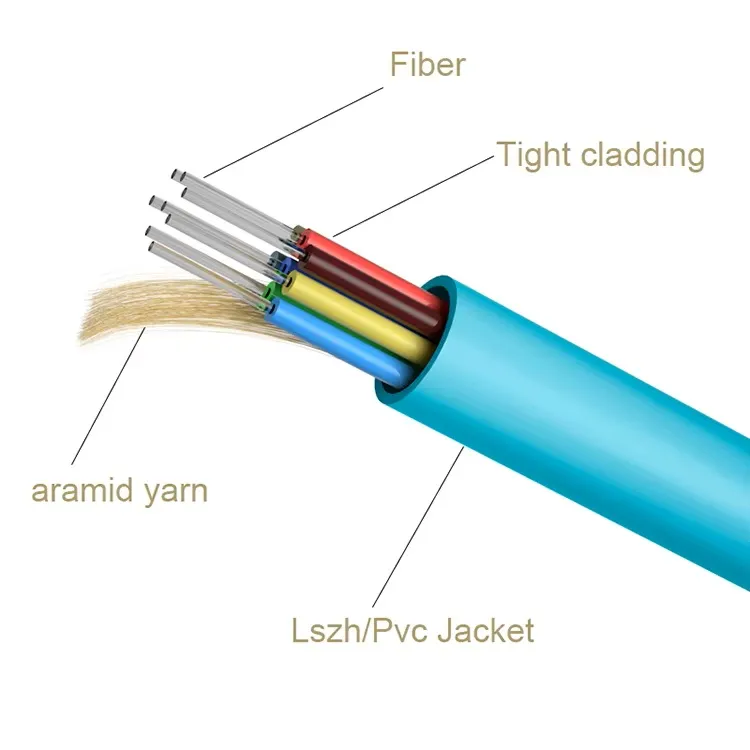
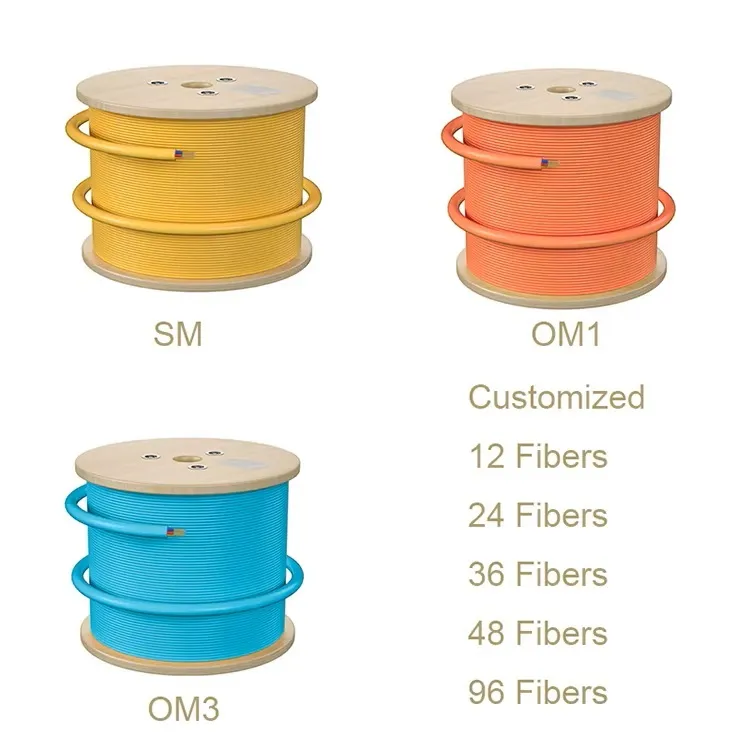
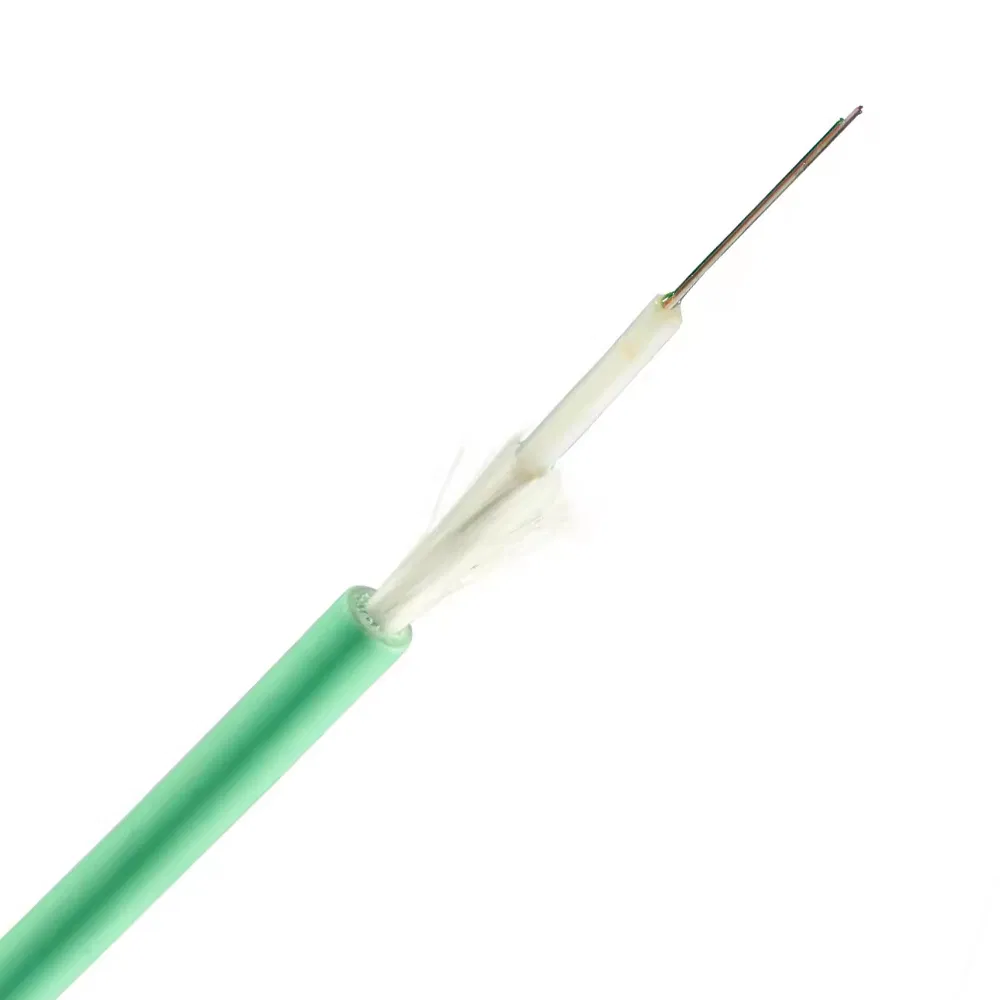
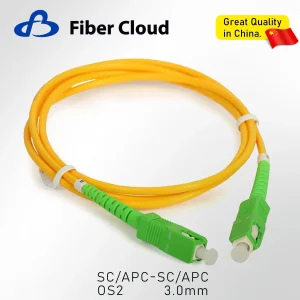
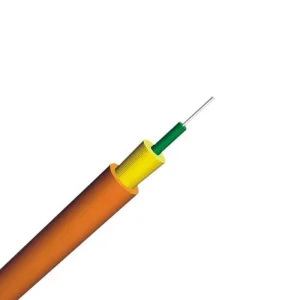
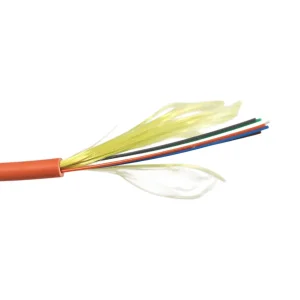
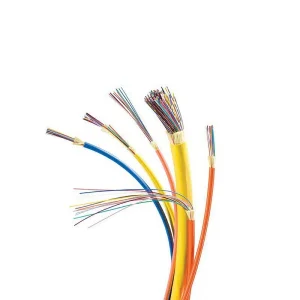
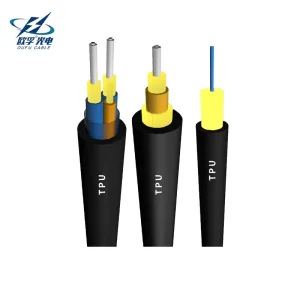
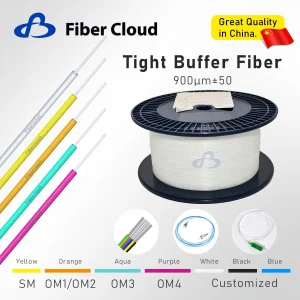
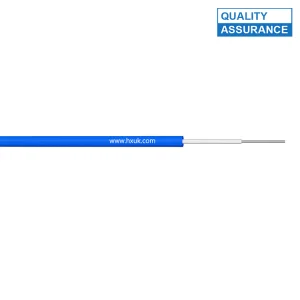
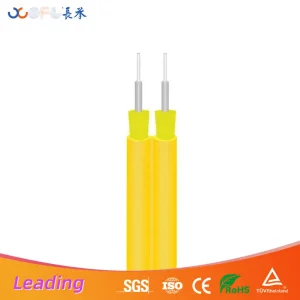
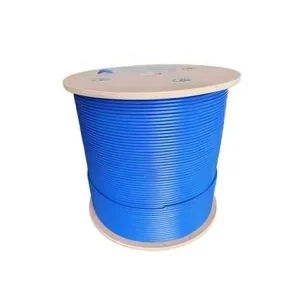
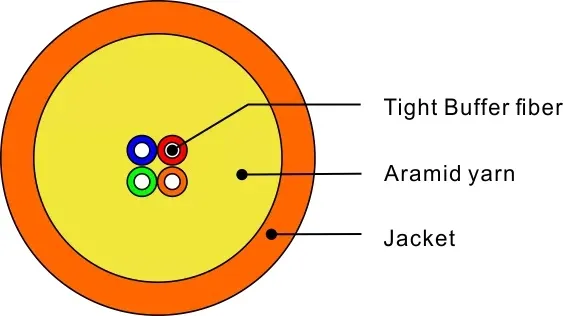
Tight-Buffered Distribution Cable contains several tight-buffered fibers bundled under the same jacket with kevlar strength members to stiffen the cable and prevent kinking. With aramid yarn as a reinforcing member, the cable is lightweight, soft, and easy to peel. It is widely used as pigtails and jumpers for communication equipment.
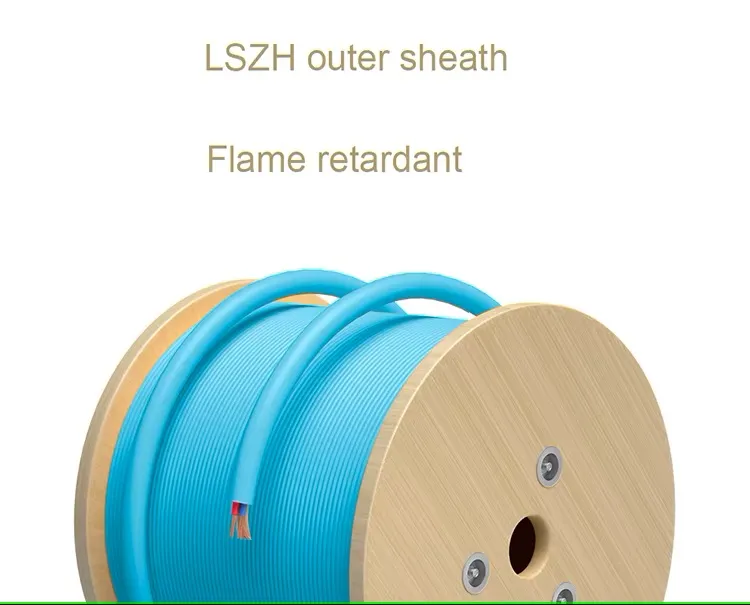
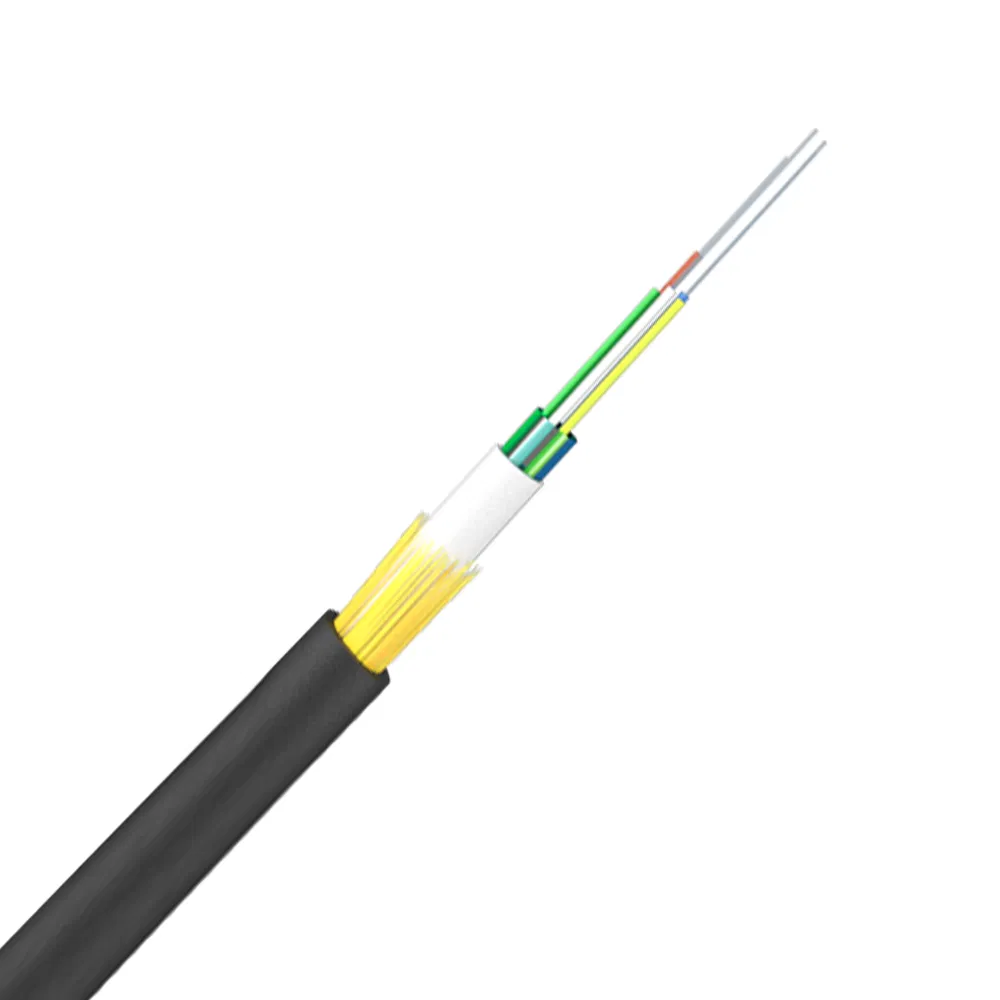
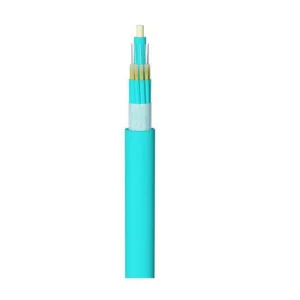
Breakout cables are constructed of up to 24, 2mm simplex cables stranded around a central strength member. Each simplex has its own aramid yarn strength member and jacket. These sub-units are wrapped in a polyester tape and jacketed in LSZH.
Cable Structure Breakdown
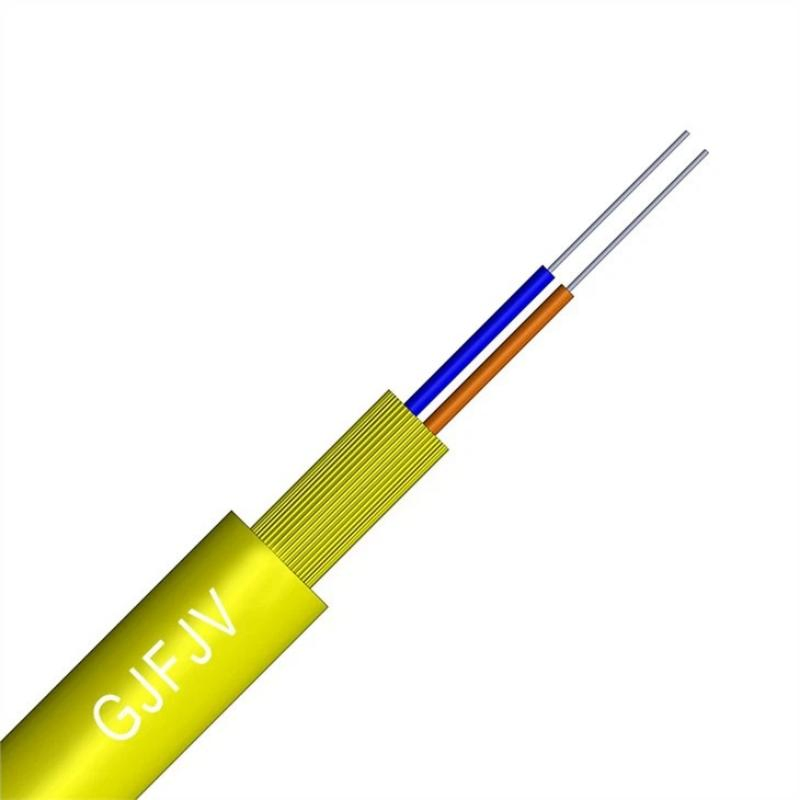
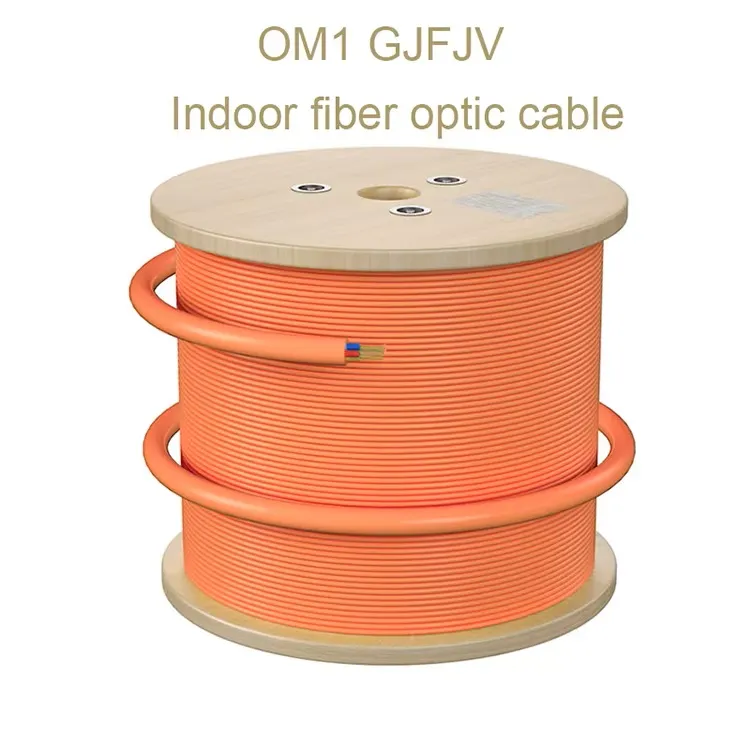
GJ - Indoor optical cable for communication
F - Non-metallic reinforcing member
J - Coated structure of tight sleeve
V - PVC sheath
Cross Section:
Frequently Asked Questions (FAQ)
Q1: What does the GJFJV designation stand for?
A: GJ represents an indoor optical cable, F denotes a non-metallic reinforcing member, J indicates a tight-buffered fiber structure, and V refers to the PVC/LSZH sheath.
Q2: Can GJFJV cable be used for making patch cords?
A: Yes, it is ideal for pigtails and patch cords due to its flexibility, easy peeling, and robust tight-buffered design.
Q3: Is this cable resistant to electromagnetic interference?
A: Yes, the cable uses a non-metal FRP (Fiber Reinforced Plastic) central strength member, which provides excellent anti-electromagnetic interference properties.
Q4: What are the primary applications of GJFJV indoor fiber cables?
A: It is primarily used for indoor distribution, connecting communication equipment, local area networks (LAN), and Fiber-to-the-desk (FTTD) installations.
Q5: What is the operating temperature range for this cable?
A: The GJFJV cable is designed to operate reliably within a temperature range of -20°C to +60°C.
Q6: Why is aramid yarn used in the cable structure?
A: Aramid yarn (Kevlar) provides high tensile strength and protection against kinking while keeping the cable lightweight and flexible for indoor routing.
 XT Cabled