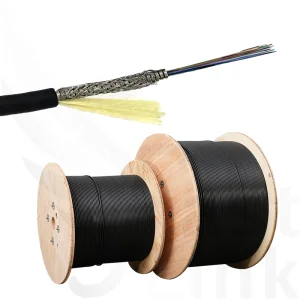
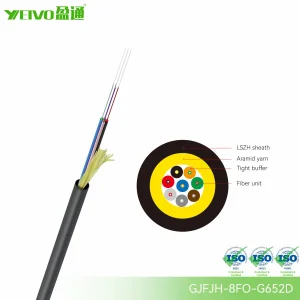
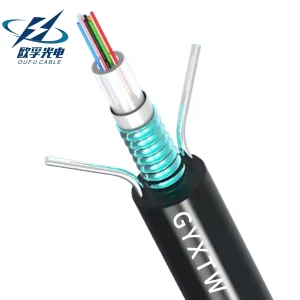
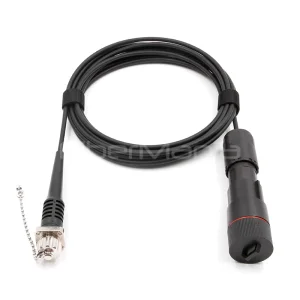
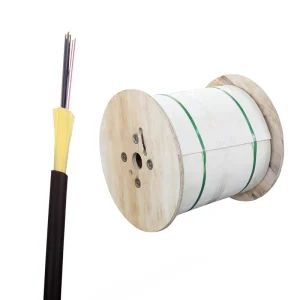
In the era of AI, 5G, and massive cloud computing, the demand for bandwidth is growing at an unprecedented rate. Ribbon fiber optic cables have emerged as the industry standard for high-density environments, offering a unique solution to fiber management and installation speed. Unlike traditional loose tube cables, ribbon fiber organizes multiple optical fibers (typically 12) into a flat ribbon, allowing for mass fusion splicing and significantly reducing the physical footprint in congested ducts.
This report delves into the "Top 10" manufacturing landscape, with a particular focus on Dongguan XT Cabled Co., Ltd., a benchmark for Chinese manufacturing excellence, exploring how localized expertise meets global telecommunication demands.
The pioneer of the first low-loss optical fiber, Corning continues to lead with RocketRibbon® technology, setting benchmarks for density and installation efficiency.
Known for their Flextube® and high-count ribbon cables, Prysmian provides extensive solutions for submarine and terrestrial backbone networks.
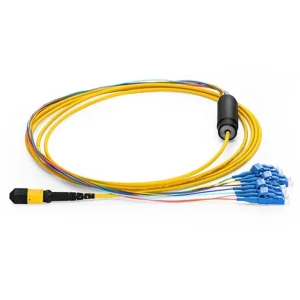
A specialist in MPO/MTP high-density cabling and ribbon fiber. XT Cabled bridges the gap between high-end performance and cost-effective manufacturing.
Creators of the Rollable Ribbon technology, which allows ribbons to be partially bonded, combining ribbon density with loose-tube flexibility.
A leader in ribbon fiber splicing and cable design, focusing on ultra-low loss fibers for long-haul transmission.
The world's largest supplier of optical fiber preforms, providing massive scale for global infrastructure projects.
Focuses on enterprise and data center connectivity, integrating ribbon fiber into comprehensive MPO/MTP ecosystems.
Specializes in data center infrastructure and industrial-grade fiber solutions for harsh environments.
Rapidly expanding in the Western market with Celestia and high-count ribbon fiber solutions for 5G readiness.
Deeply involved in smart city initiatives and underwater fiber systems, utilizing advanced ribbon cable designs.
Dongguan XT Cabled Co., Ltd. is a professional manufacturer specializing in fiber optic cables and optical connectivity solutions for industrial, telecommunications, and data center applications. Established in 2012, the company is located in Dongguan, Guangdong Province, one of China's leading manufacturing hubs. With a production facility covering over 12,000 square meters and a team of more than 180 employees, XT Cabled is committed to delivering reliable, high-performance fiber optic products to customers worldwide.
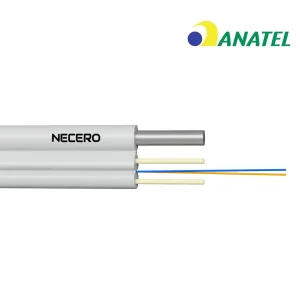
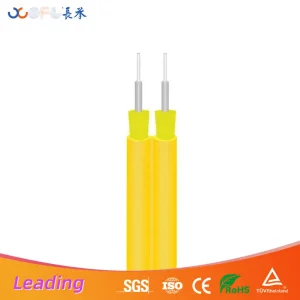
The company's product portfolio includes single-mode fiber optic cables, multi-mode fiber optic cables, FTTH cables, armored fiber optic cables, outdoor fiber cables, indoor fiber cables, and data center cabling solutions. These solutions are widely used in telecommunications networks, broadband infrastructure, smart buildings, industrial automation systems, cloud computing facilities, and large-scale data centers.
XT Cabled operates advanced production lines and testing laboratories equipped with modern inspection instruments to ensure product consistency and compliance with international quality standards. They provide OEM and ODM manufacturing services, supporting customers with customized cable structures and branding.
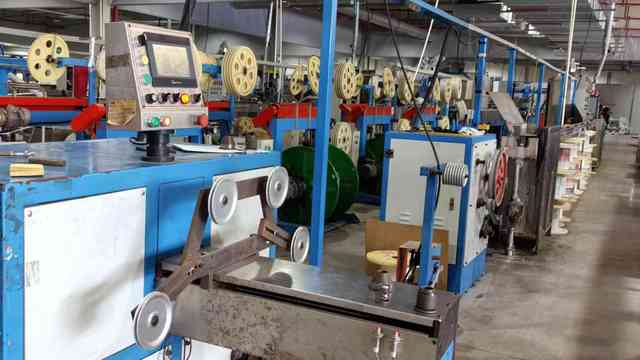
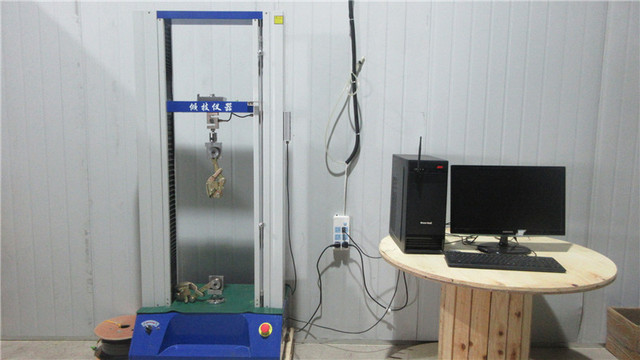
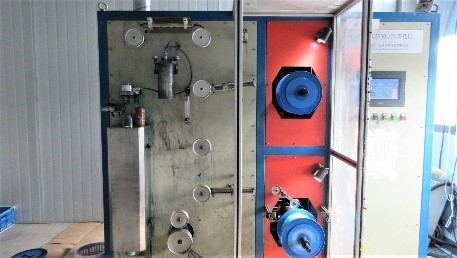
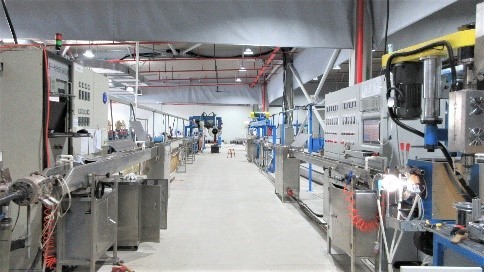
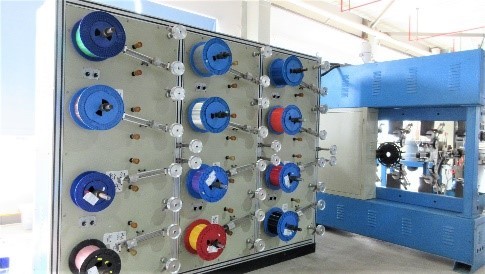
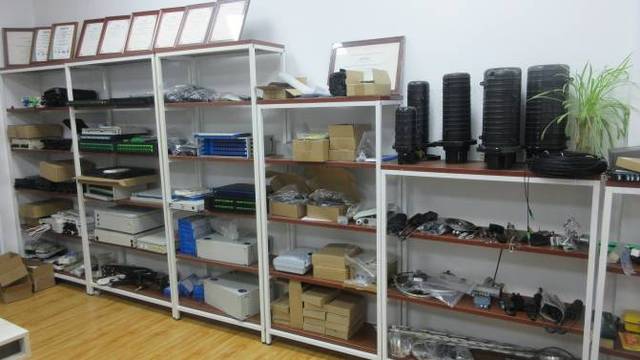
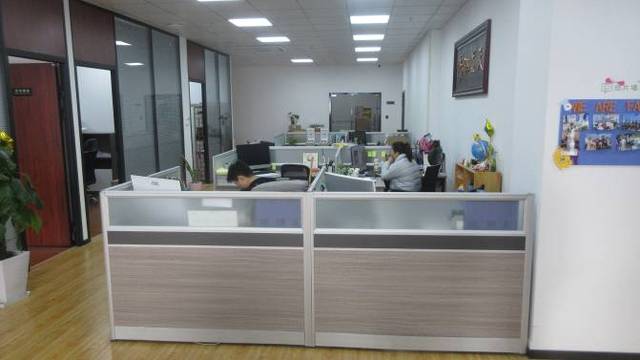
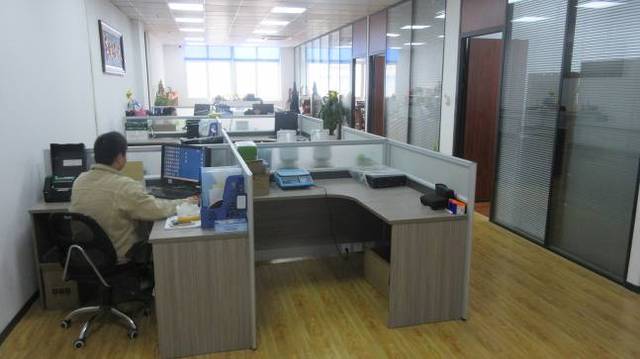
Factories in the Pearl River Delta (like Dongguan) have immediate access to raw materials—aramid yarn, LSZH compounds, and high-quality optical glass—reducing lead times significantly.
Chinese manufacturers offer extreme flexibility. Whether you need a specific 144-core ribbon structure or customized "HuWei" compatible connectors, the prototyping speed is unmatched.
By leveraging economies of scale and automated testing, factories like XT Cabled provide G.652D and OM4 quality at a fraction of the cost of Western brands.
The global fiber optic market is shifting toward "Ultra-High Density (UHD)". Macro trends driving this include:
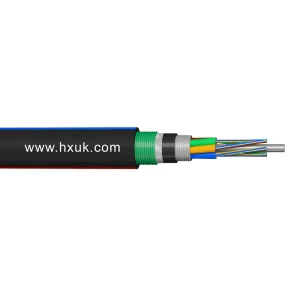
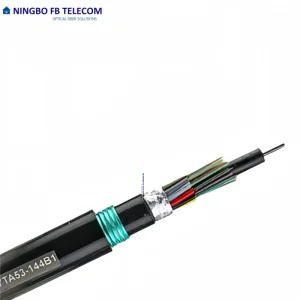
Using GYTA53 armored ribbon cables for underground ducting, providing high core counts (up to 288 or 432 cores) to connect municipal data hubs.
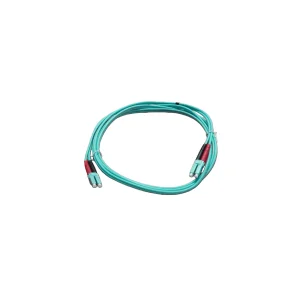
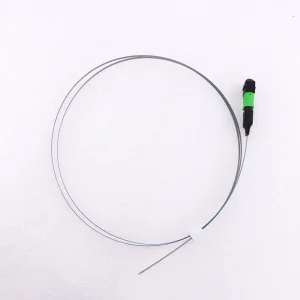
Deployment of MPO Trunk Cables (12/24 core) with LSZH jackets for backbone patching between spine and leaf switches.
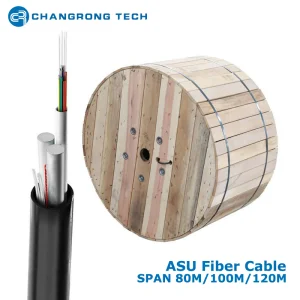
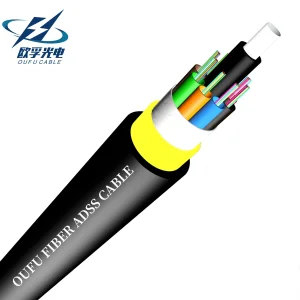
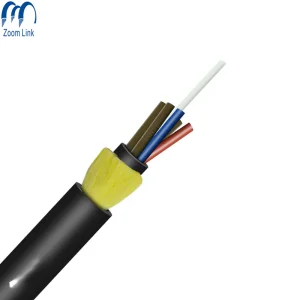
Utilizing mini-ADSS ASU cables for aerial spans between campus buildings, offering a dielectric solution that is safe from electrical interference.
For international buyers, selecting a factory requires deep due diligence. Ensure your supplier meets these 4 pillars of E-E-A-T:
 XT Cabled