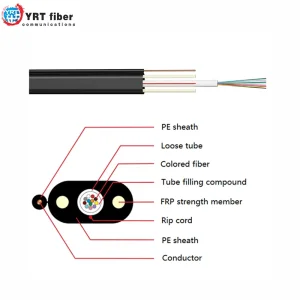
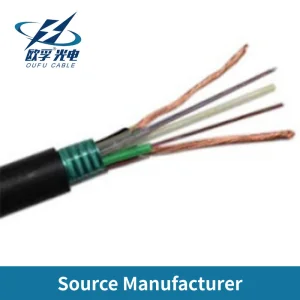
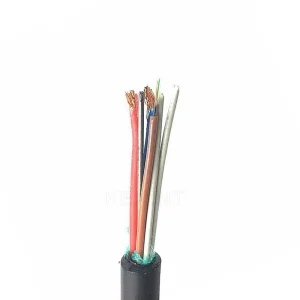
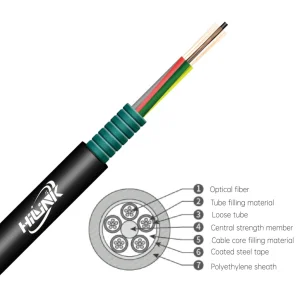
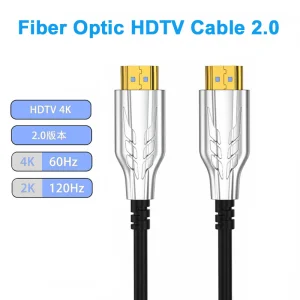
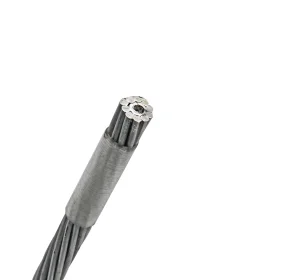
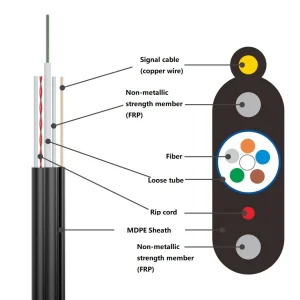
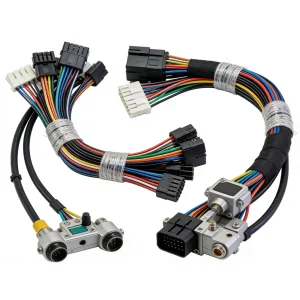
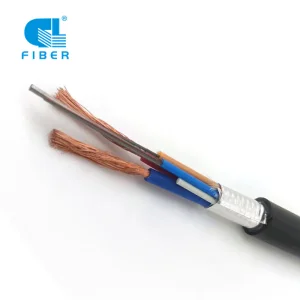
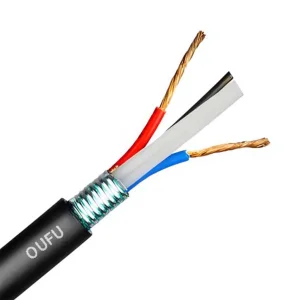
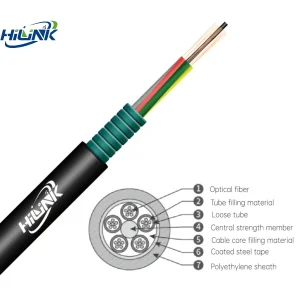
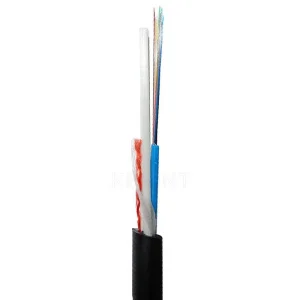
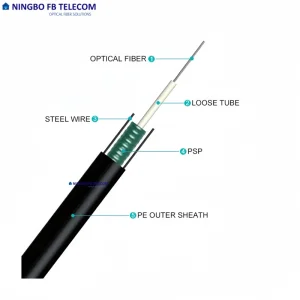
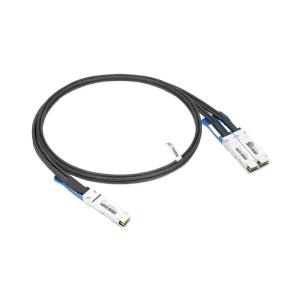
As Bulgaria continues its aggressive push toward the "Digital Transformation of Bulgaria 2030", the demand for integrated infrastructure has skyrocketed. Hybrid Fiber Cables (HFC)—which combine optical fibers for high-speed data and copper conductors for power delivery—have emerged as the cornerstone of this evolution. From the bustling tech hubs in Sofia to the strategic maritime logistics in Burgas, these cables are solving the complex challenge of powering remote nodes while maintaining gigabit connectivity.
Municipalities are deploying hybrid cables to power public Wi-Fi 6E hotspots and 4K surveillance cameras simultaneously, reducing installation costs by 40% compared to separate cabling.
Bulgaria's top telcos (Vivacom, A1, Yettel) are utilizing hybrid solutions to feed power and data to 5G small cells in dense urban areas where separate power sourcing is logistically impossible.
The engineering philosophy behind our Hybrid Fiber Cable Factory focuses on "Signal Integrity" and "Thermal Management." In the Bulgarian climate, which ranges from humid coastal air to freezing mountain temperatures in the Balkans, cable durability is non-negotiable.
Information Gain: Unlike standard fiber cables, our hybrid designs incorporate Construction Products Regulation (CPR) compliance specifically for the EU market (B2ca/Cca classes), ensuring flame-retardant safety for indoor and tunnel installations in Bulgarian transport projects.
Global procurement directors from Germany, France, and the UK are increasingly looking at Bulgaria as a strategic gateway for Balkan distribution. Our factory provides OEM/ODM services that allow Bulgarian distributors to customize cable structures:
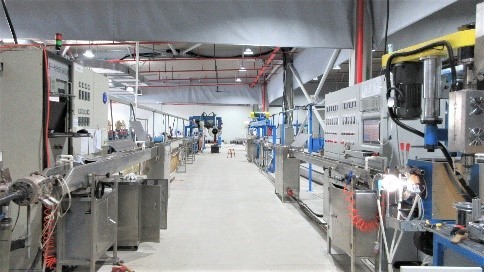
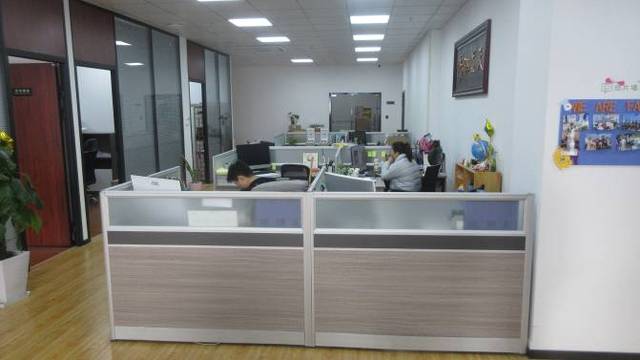
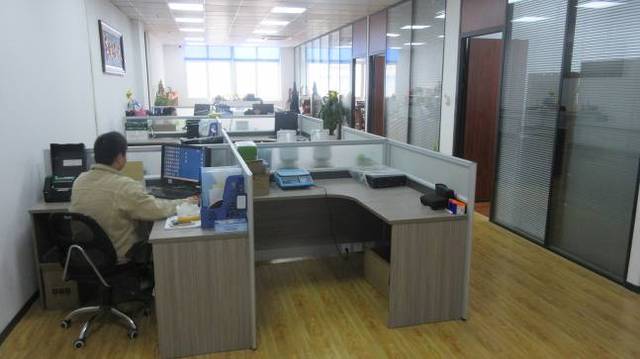
Dongguan XT Cabled Co., Ltd. is a professional manufacturer specializing in fiber optic cables and optical connectivity solutions for industrial, telecommunications, and data center applications. Established in 2012, the company is located in Dongguan, Guangdong Province, one of China's leading manufacturing hubs. With a production facility covering over 12,000 square meters and a team of more than 180 employees, XT Cabled is committed to delivering reliable, high-performance fiber optic products to customers worldwide.
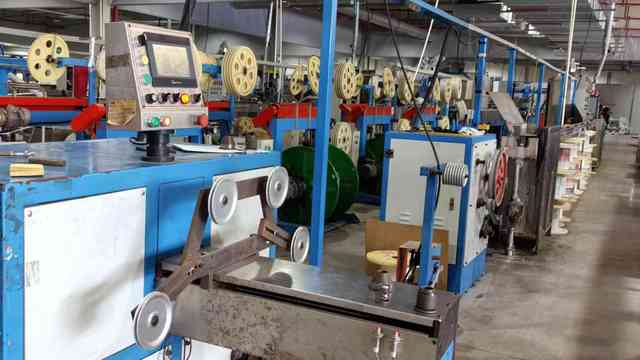
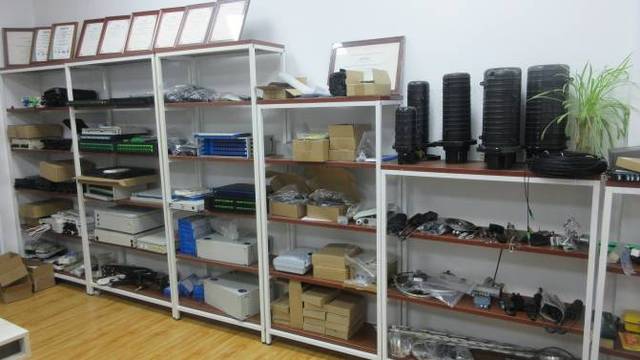
The company's product portfolio includes single-mode fiber optic cables, multi-mode fiber optic cables, FTTH cables, armored fiber optic cables, outdoor fiber cables, indoor fiber cables, data center cabling solutions, industrial optical cables, and customized optical connectivity products. These solutions are widely used in telecommunications networks, broadband infrastructure, smart buildings, industrial automation systems, cloud computing facilities, and large-scale data centers.
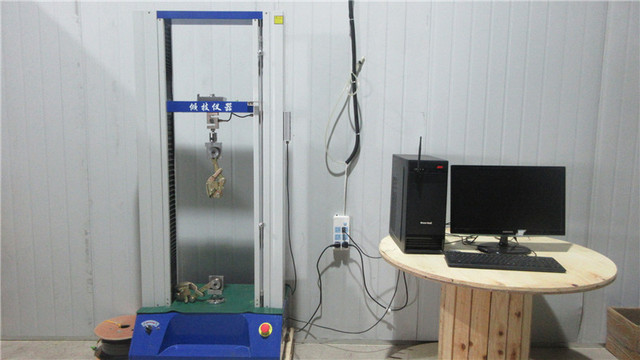
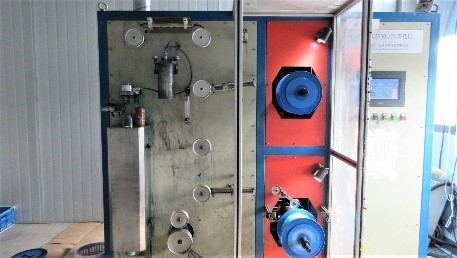
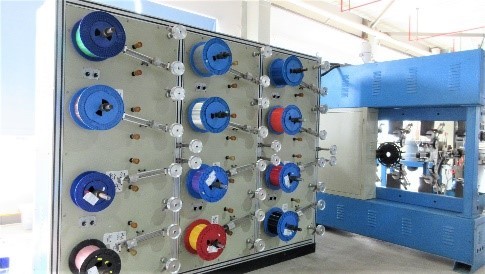
XT Cabled operates advanced production lines and testing laboratories equipped with modern inspection instruments to ensure product consistency and compliance with international quality standards. The company follows strict quality management procedures throughout material sourcing, manufacturing, testing, and delivery processes. Its products are manufactured in accordance with recognized industry standards and are supplied to customers across North America, Europe, Southeast Asia, the Middle East, and other global markets.
As we look toward 6G and the "Internet of Everything," hybrid cables will evolve to include Sensing Capabilities. Imagine a hybrid cable in a Bulgarian gas pipeline that not only provides data and power but also detects temperature changes or vibrations via Fiber Bragg Grating (FBG) technology. Our factory is already in the R&D phase for these "Smart Cables," ensuring our Bulgarian partners stay ahead of the technological curve.
Depending on the copper gauge (e.g., 2.5mm²), our cables can reliably deliver power up to 2km for low-wattage devices like IP cameras, or 500m for high-draw 5G antennas.
Yes, all cables exported to Bulgaria are CE marked and can be produced to meet LSZH (Low Smoke Zero Halogen) and specific CPR fire classes as required by local building codes.
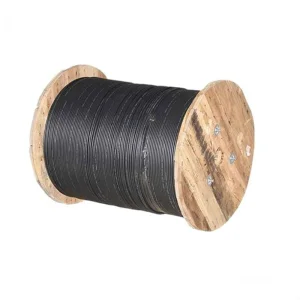
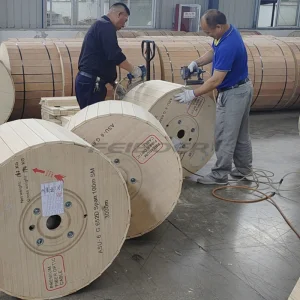
Absolutely. We provide plywood drum packaging with customized lengths (e.g., 2km, 4km per drum) to minimize splicing points in long-haul Bulgarian infrastructure projects.
Standard production takes 15-20 days. Sea freight to Varna typically takes 30-35 days, while air freight for urgent Sofia-based projects takes 5-7 days.
Ready to optimize your Bulgarian network infrastructure?
Send Inquiry Now XT Cabled