As the world pivots toward Industry 4.0, the demand for high-bandwidth, low-latency, and EMI-resistant communication channels has never been higher. Industrial fiber optics serve as the nervous system of modern civilization, connecting everything from deep-sea sensors to hyperscale data centers. China has emerged as the global epicenter for fiber optic manufacturing, not just by volume, but by technological sophistication and supply chain integration.
In this comprehensive guide, we explore why top global enterprises look to Chinese industrial fiber optic factories like Dongguan XT Cabled Co., Ltd. to power their critical infrastructure. We dive into the E-E-A-T factors that define a world-class supplier: deep engineering experience, technical expertise in material science, authoritative certifications, and the reliability required for 24/7 industrial operations.
China's fiber optic clusters provide immediate access to raw glass preforms, specialized polymers (LSZH, TPU), and precision machining. This reduces lead times by 40% compared to fragmented supply chains.
With massive investment in 5G and Smart Grid technology, Chinese factories stay at the forefront of ITU-T standards, offering G.652.D, G.657.A1/A2, and OM3/OM4/OM5 solutions optimized for high-density environments.
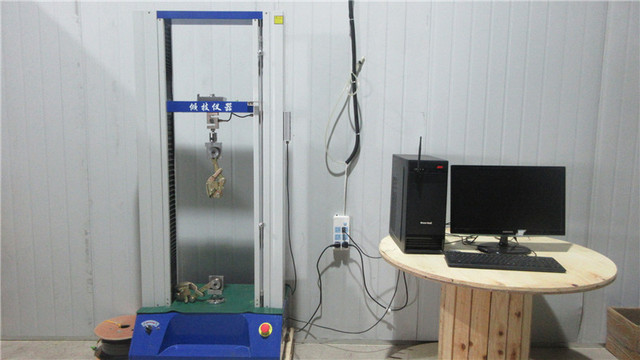
Top-tier suppliers implement 100% 3D interferometry, IL/RL testing, and environmental stress screening (temperature cycling, tensile strength, and crush resistance) to ensure long-term field reliability.
Leading factories align with CE, RoHS, CPR (Construction Products Regulation), and ISO 9001/14001, making their products ready for deployment in the EU, North America, and beyond.
Traditional copper is being phased out in industrial automation. Optical fiber’s immunity to electromagnetic interference (EMI) makes it mandatory for factory floors with heavy motor loads and variable frequency drives (VFDs).
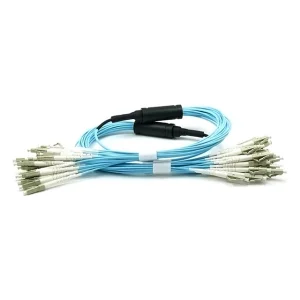
As AI workloads explode, the need for 24-core and 144-core MPO/MTP breakout cables is skyrocketing. Factories are now focusing on "Ultra-High Density" (UHD) cabling to maximize rack space efficiency.
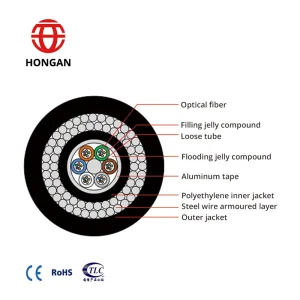
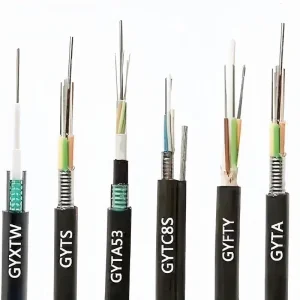
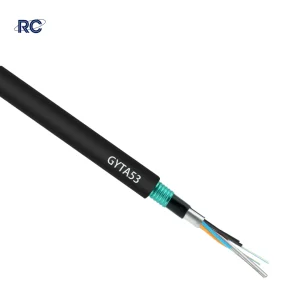
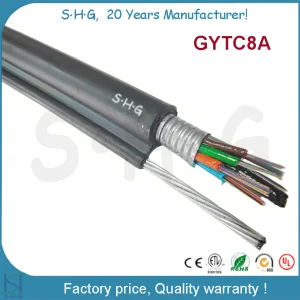
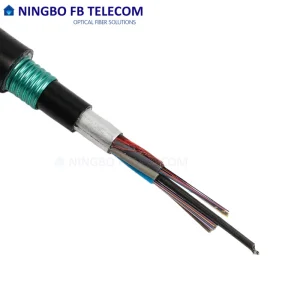
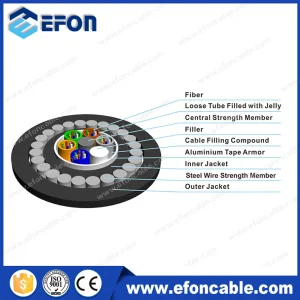
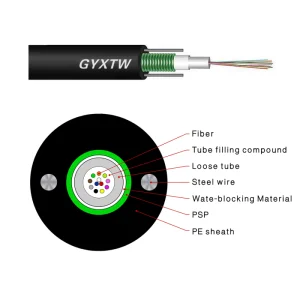
Beyond standard indoor cables, there is a massive trend toward "Armored-as-a-Standard" for outdoor and underground deployments, utilizing corrugated steel tape (CST) and high-tensile aramid yarns.
Suppliers are increasingly adopting Low Smoke Zero Halogen (LSZH) materials that emit no toxic gases during fire, meeting the stringent ESG requirements of global corporate entities.
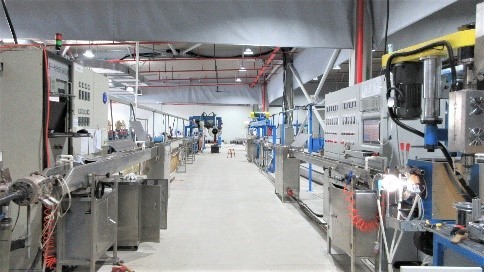
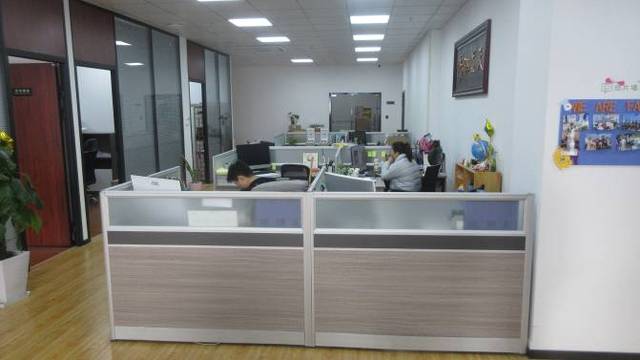
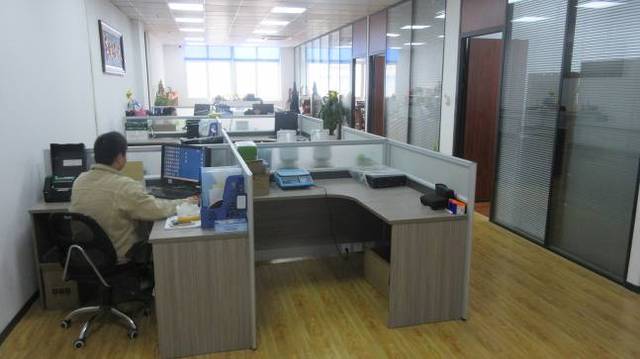
Dongguan XT Cabled Co., Ltd. is a professional manufacturer specializing in fiber optic cables and optical connectivity solutions for industrial, telecommunications, and data center applications. Established in 2012, the company is located in Dongguan, Guangdong Province, one of China's leading manufacturing hubs. With a production facility covering over 12,000 square meters and a team of more than 180 employees, XT Cabled is committed to delivering reliable, high-performance fiber optic products to customers worldwide.
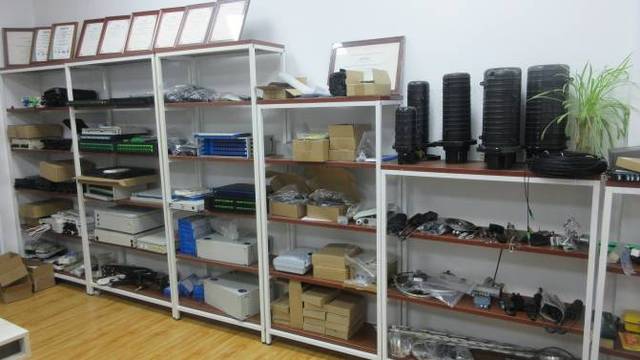
The company's product portfolio includes single-mode fiber optic cables, multi-mode fiber optic cables, FTTH cables, armored fiber optic cables, outdoor fiber cables, indoor fiber cables, data center cabling solutions, industrial optical cables, and customized optical connectivity products.
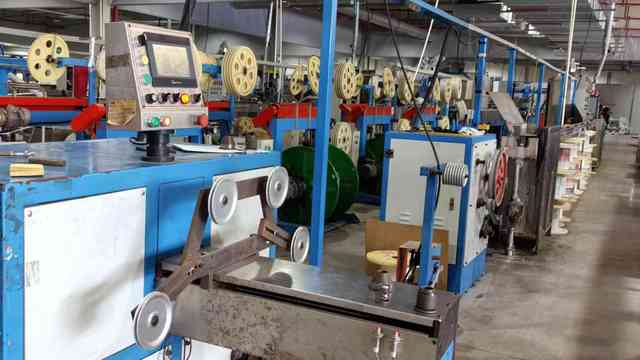
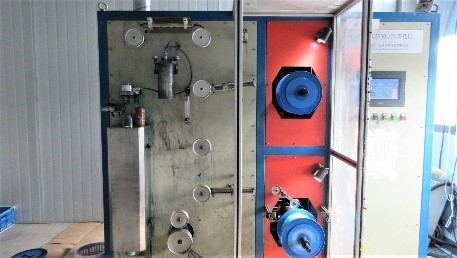
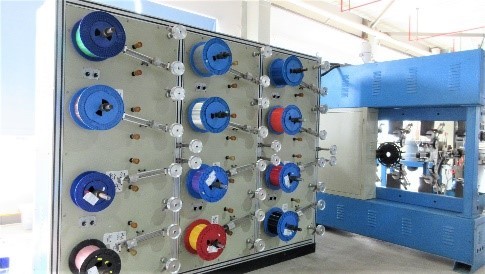
XT Cabled operates advanced production lines and testing laboratories equipped with modern inspection instruments to ensure product consistency and compliance with international quality standards. They provide OEM and ODM manufacturing services, supporting customers with customized cable structures, specifications, packaging, and branding requirements.
Utilizing GYTA333 and double-armored designs, our cables are engineered for high-pressure environments and moisture resistance, ideal for island-to-island links and offshore wind farm monitoring.
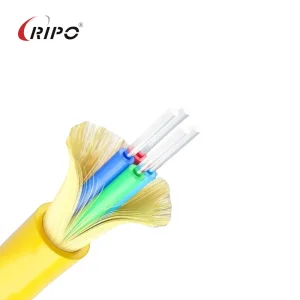
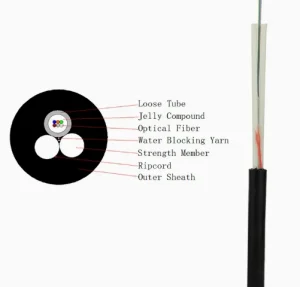
Supporting G657A1/A2 bend-insensitive fiber for tight corners in residential buildings, ensuring seamless "Fiber to the Home" deployment with minimal signal loss.
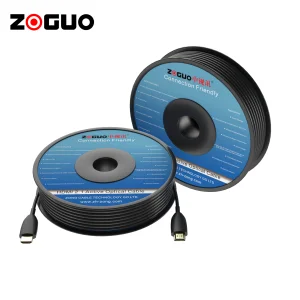
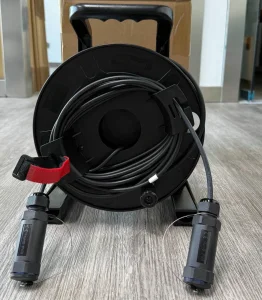
Heavy-duty outdoor steel armored HDMI and data cables designed to withstand mechanical crushing, rodent attacks, and extreme temperature fluctuations in remote field operations.
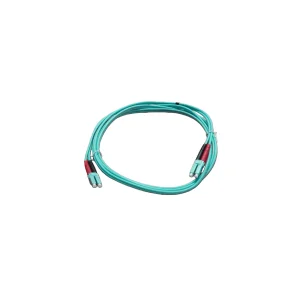
OM3/OM4 VCSEL-optimized cables for 10G/40G/100G networks, featuring ultra-low loss connectors to maximize link length and reliability.
 XT Cabled