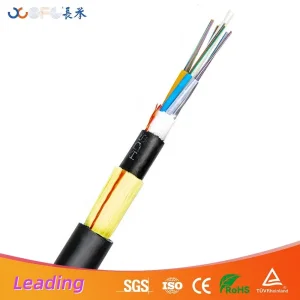
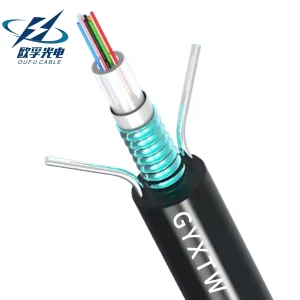
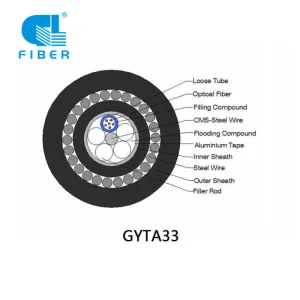
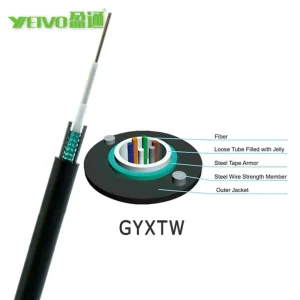
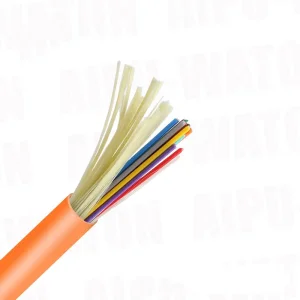
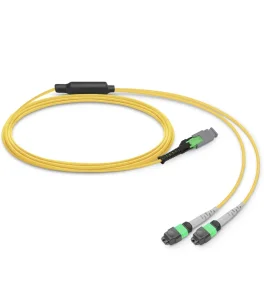
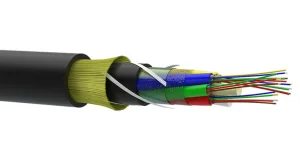
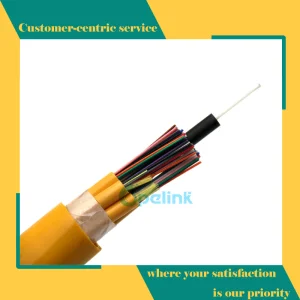
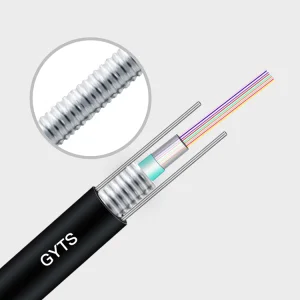
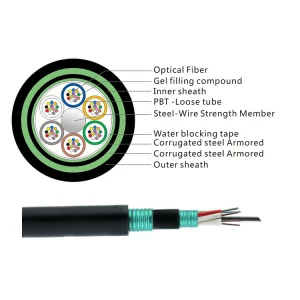
High-performance optical fiber cables engineered for deployment in high-density underground protective plastic conduits.
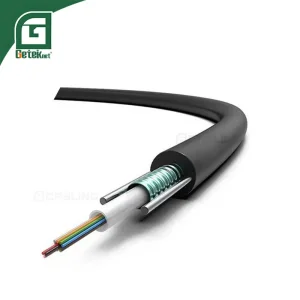
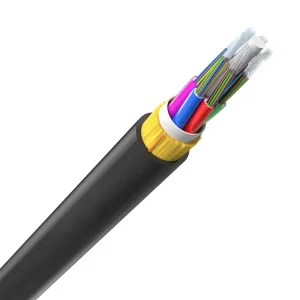
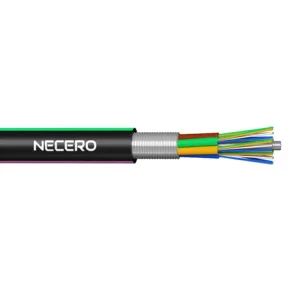
In the digital age, speed, reliability, and security are the cornerstones of global data networks. As standard fiber deployments move underground, the physical protection of delicate glass fibers becomes critical. This is where High-Density Polyethylene (HDPE) and specialized LSZH (Low Smoke Zero Halogen) plastic microducts play a fundamental role. These microducts act as high-tech protective conduits designed specifically to withstand environmental stressors, soil shifts, and pressure loads while facilitating rapid optical fiber jetting or blowing.
Whether for Long-Haul Backbone networks, Metropolitan networks, Fiber to the Home (FTTH), or 5G Small Cell densification, selecting the correct manufacturer of fiber optic plastic pipes is a critical capital decision that directly impacts network longevity, lifecycle costs, and overall network reliability.
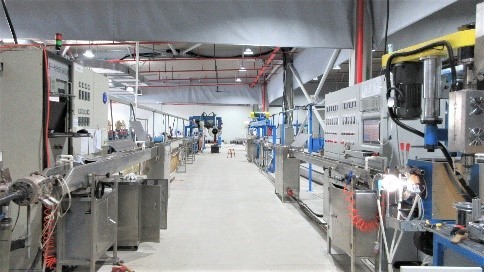
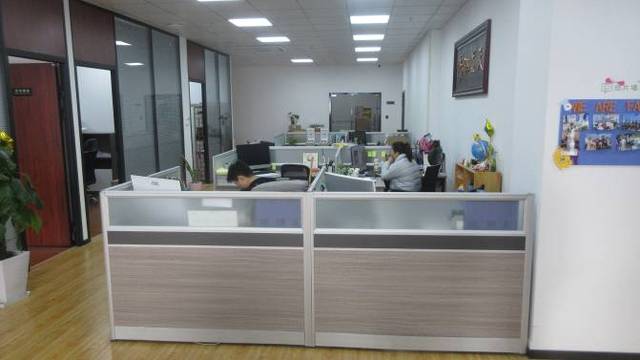
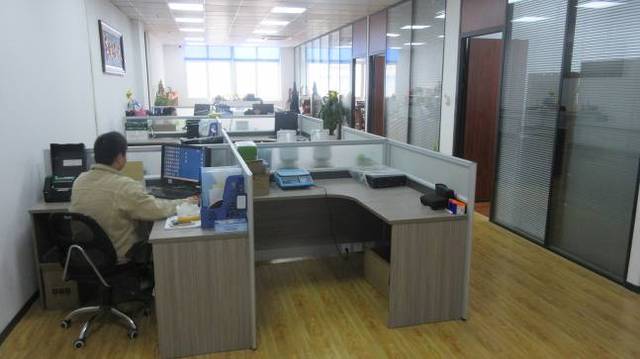
Dongguan XT Cabled Co., Ltd. is a professional manufacturer specializing in fiber optic cables and optical connectivity solutions for industrial, telecommunications, and data center applications. Established in 2012, the company is located in Dongguan, Guangdong Province, one of China's leading manufacturing hubs. With a production facility covering over 12,000 square meters and a team of more than 180 employees, XT Cabled is committed to delivering reliable, high-performance fiber optic products to customers worldwide.
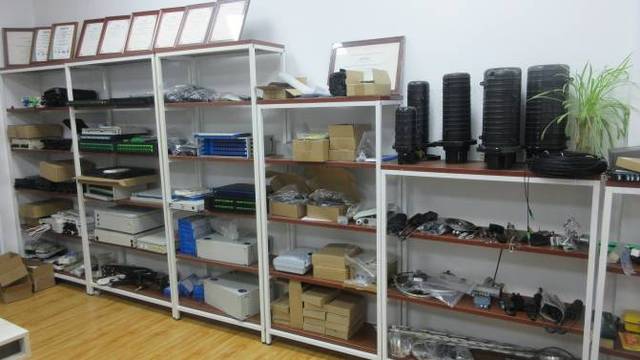
The company's product portfolio includes single-mode fiber optic cables, multi-mode fiber optic cables, FTTH cables, armored fiber optic cables, outdoor fiber cables, indoor fiber cables, data center cabling solutions, industrial optical cables, and customized optical connectivity products. These solutions are widely used in telecommunications networks, broadband infrastructure, smart buildings, industrial automation systems, cloud computing facilities, and large-scale data centers.
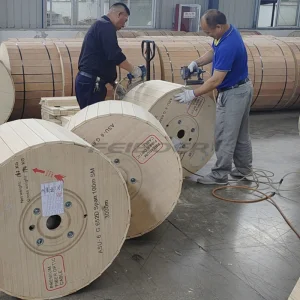
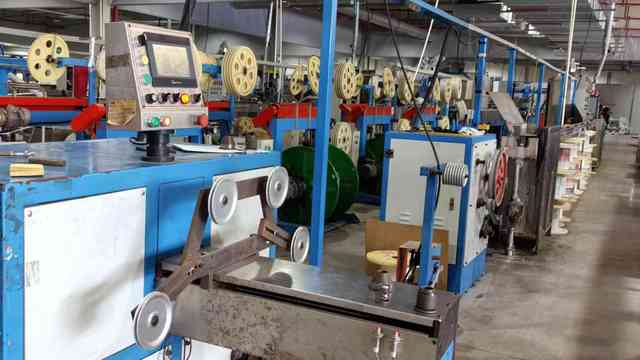
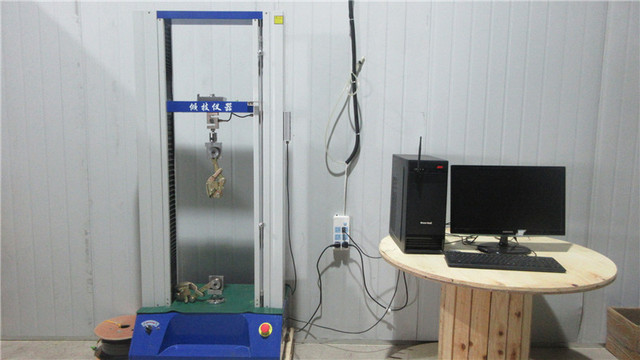
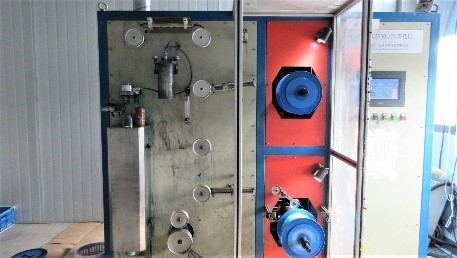
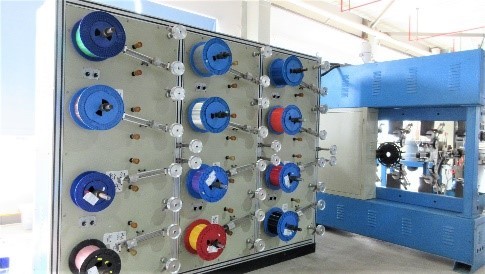
XT Cabled operates advanced production lines and testing laboratories equipped with modern inspection instruments to ensure product consistency and compliance with international quality standards. The company follows strict quality management procedures throughout material sourcing, manufacturing, testing, and delivery processes. Its products are manufactured in accordance with recognized industry standards and are supplied to customers across North America, Europe, Southeast Asia, the Middle East, and other global markets.
In addition to standard products, XT Cabled provides OEM and ODM manufacturing services, supporting customers with customized cable structures, specifications, packaging, and branding requirements. Through continuous investment in technology, manufacturing efficiency, and customer service, Dongguan XT Cabled Co., Ltd. strives to be a trusted partner for global optical communication and network infrastructure projects.
Analysis of the world's leading manufacturers of HDPE conduits, microducts, and protective pipe systems.
| Rank | Manufacturer Name | Core Headquarters | Primary Materials & Focus Areas | Key Strengths & Certifications |
|---|---|---|---|---|
| 1 | Dura-Line Corporation | United States | HDPE Microducts, FuturePath Bundles | AASHTO, ISO 9001, global telecom standard setter |
| 2 | Prysmian Group | Italy | Integrated Cable & Microduct Systems | End-to-end connectivity, IEC compliance, CPR fire class certified |
| 3 | Wavin Group | Netherlands | Sub-surface protective conduits, PVC & PE pipes | High resistance to external pressures, European infrastructure leader |
| 4 | Dongguan XT Cabled Co., Ltd. | China (Guangdong) | Cables, Armored Ducts & Custom Connectivity | Flexible OEM/ODM, advanced material testing, fast global logistics |
| 5 | Pipelife International | Austria | Structured wall pipes, HDPE & PP conduits | Eco-friendly bio-based raw materials, extreme environment design |
| 6 | Nupigeco S.p.A. | Italy | Multilayer HDPE Microducts | Innovative internal grooved linings, high-pressure ratings |
| 7 | Rehau Group | Germany | Polymer-based cable ducting, high-density PE | German engineering standards, automotive-grade polymer resilience |
| 8 | Radiant Communications | India | PLB (Permanently Lubricated) HDPE Ducts | Cost-efficient large scale deployments, TEC certified |
| 9 | Aventics Group (Emerson) | Global | Pneumatic & plastic pathway systems | High chemical resistance, industrial automation environments |
| 10 | Al-Wassel Pipes | Saudi Arabia | HDPE & PVC electrical & optical conduits | Designed for high-temperature desert soil conditions, SASO certified |
E-E-A-T guideline compliance: Deep technical analyses of procurement, technology roadmap, and macro solutions.
Global procurement teams prioritize strict compliance with international mechanical performance standards. Crucial properties include High Ring Stiffness (ISO 9969) to resist soil consolidation loads, and Hydrostatic Design Basis (HDB) values to ensure pressure integrity during high-velocity fiber blowing procedures. Material traceability from raw pellet feedstocks (like Borealis or Sabic) is a core requirement for high-end optical networks.
The industry is transitioning toward smart microducts that integrate RFID tracking elements or optical sensor filaments to monitor temperature changes and soil shifts in real-time. Additionally, next-generation bio-resins are being introduced to reduce scope 3 carbon footprints without compromising physical integrity. Advanced multi-layer extrusion co-injects anti-static and flame-retardant (LSZH) additives into core structures.
Modern layouts demand multi-layered configurations. Bundled microduct assemblies (such as 4-way, 7-way, or 24-way configurations protected by a thick outer HDPE jacket) allow regional networks to easily scale over time. Empty channels can be reserved during initial installation, enabling future capacity expansions by simply blowing new fiber cables without needing additional excavation work.
Leading optical pipe facilities in China leverage automated, closed-loop gravimetric dosing systems that dynamically adjust raw material feeds in response to micro-fluctuations in wall thickness. High-speed, multi-layer co-extrusion technology enables cost efficiencies, while advanced quality control processes run in-line ultrasonic scans across 100% of the pipe production run.
To access markets like Europe, North America, and high-specification zones in Southeast Asia, manufacturers must hold certifications such as CE, RoHS, Reach, UL, and localized network approvals. For example, indoor distribution projects require European CPR (Construction Products Regulation) compliance, which demands Class B2ca-s1a,d1,a1 fire performance standards for safety.
Key technical queries analyzed by infrastructure engineers and project managers.
Direct Buried (DB) microducts are manufactured with thicker walls (typically 2.0mm or more) and high-density outer protection layers to withstand direct contact with soil, rocks, and crushing loads from heavy machinery. Direct Install (DI) microducts have thinner walls and are designed to be pulled or blown into existing protective conduits (such as larger PVC or HDPE main ducts).
The inner lining features a co-extruded solid lubricant (typically silicone) and longitudinal ribbing. This ribbing reduces the surface contact area between the outer jacket of the optical fiber cable and the inner pipe wall. A lower Coefficient of Friction (CoF < 0.1) reduces drag, allowing high-pressure air compressors to blow the cable further with minimal risk of damage.
LSZH (Low Smoke Zero Halogen) materials emit negligible acidic gases and very little smoke when exposed to high heat or fire. In contrast, PVC releases toxic hydrochloric acid gas, which poses health risks and can corrode sensitive communications equipment.
Underground HDPE protective pipes made from 100% virgin resin material have an operational lifespan of over 50 years. This longevity depends on adhering to proper trenching guidelines, maintaining suitable burial depths, and using correct backfilling techniques to prevent damage from sharp rocks.
For efficient optical fiber blowing, a fill ratio of 50% to 75% of the microduct's inner diameter is recommended. For example, if the fiber cable has an outer diameter of 6.0mm, the microduct's inner diameter should ideally be between 8.0mm and 10.0mm.
Key quality verification tests include: Density (ASTM D1505), Melt Flow Index (ASTM D1238), Tensile Strength at Yield (ASTM D638), Environmental Stress Cracking Resistance (ESCR - ASTM D1693), and Hydrostatic Pressure Tests (EN ISO 1167) to ensure performance under high air pressures.
End-to-end optical components designed for high-speed connectivity deployments.
 XT Cabled