Loose Tube Fiber Cable Factories & Factory serving Takamaka

Deploying High-Resilience Optical Networks Tailored for Coastal Landscapes, Rural Telecommunications, and Extreme Island Climates in Seychelles.

The Takamaka Connectivity Paradigm: Challenges & Industrial Context

Takamaka, situated on the southern tip of Mahé Island in the Seychelles, represents a unique deployment landscape for modern telecommunications infrastructure. Characterized by high-end eco-resorts, local residential expansions, and a growing demand for high-speed fiber-to-the-home (FTTH) and 5G backhaul connectivity, the region's geographical setting presents steep installation and survivability challenges. The close proximity to the Indian Ocean means cables are constantly exposed to high atmospheric salinity, tropical humidity, heavy rainfall, and potential water ingress.

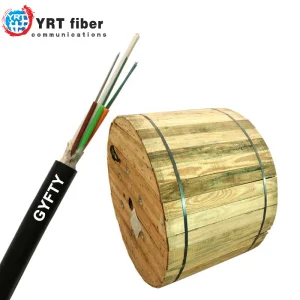
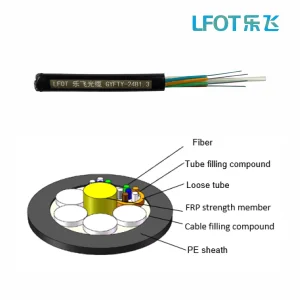
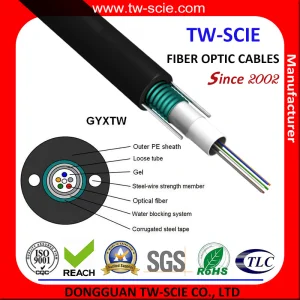
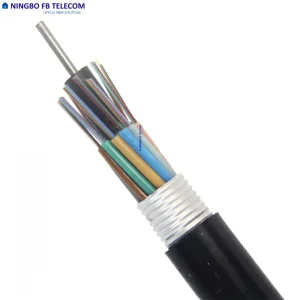
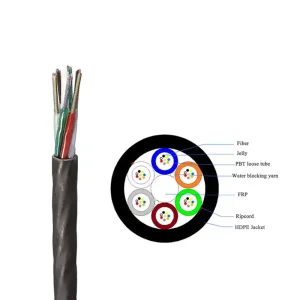
Traditional tight-buffered fiber cables fail prematurely under these conditions due to moisture penetration and mechanical stresses induced by temperature variations. Consequently, optical projects in Takamaka rely on high-grade Loose Tube Fiber Optic Cables. These cables house the glass fibers inside structural plastic buffer tubes filled with water-resistant gel, shielding the optical fibers from environmental moisture and longitudinal tension.

12+
Years of Manufacturing (Since 2012)
12,000+
Sqm Modern Production Facility
180+
Expert Technicians & Cable Engineers
ISO 9001
International Quality Management

Why Loose Tube Design is Crucial for Tropical and Coastal Climates

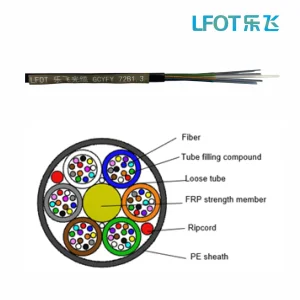
The core advantage of loose tube fiber optic cables lies in their physical construction. Unlike tight-buffered versions where the coating is in direct contact with the glass fiber, loose tube designs allow the fiber strands to "float" within a protective, gel-filled Polybutylene Terephthalate (PBT) buffer tube. This provides key protections:

Stress Isolation

When cables expand or contract during temperature swings, or experience tensile loading during installation over mountainous terrains, the fibers remain unstressed as they adjust positions inside the gel-filled tubes.

Hermetic Seal Protection

The specialized gel compound blocks moisture, preventing hydrogen aging of the glass, which causes attenuation to spike over time, especially in humid coastal regions like Takamaka.

Robust Armoring Options

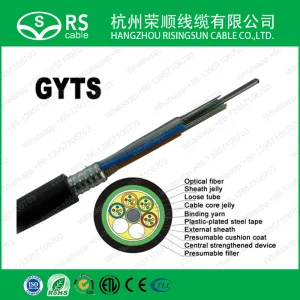
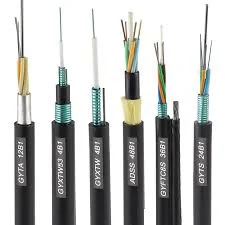
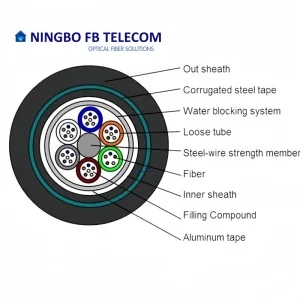
With options like corrugated steel tape (GYTS) or double-layer steel wire wrap (GYTA53), these cables are impervious to rodent bites, mechanical crushing, and micro-bends caused by direct burial.

Comparison Matrix of Loose Tube Fiber Cables

Depending on your layout (aerial installation along local utility poles, direct duct blowing underneath roads, or direct burial in soils), selecting the correct loose tube variation is essential. Use this matrix to guide your procurement for Seychelles deployments:

Cable Type Armor Structure Strength Member Typical Core Count Best Suited Application
GYTA Corrugated Aluminum Tape Central Steel Wire 2 to 144 Cores Duct networks, Aerial runs with support
GYTS Corrugated Steel Tape Central Steel Wire 2 to 144 Cores Direct underground ducting, High crush risks
GYTA53 Double Armor (Aluminum + Steel Tape) Central Steel Wire 2 to 288 Cores Direct burial without conduit in rocky terrains
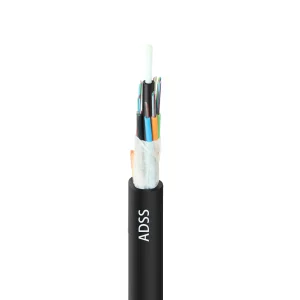
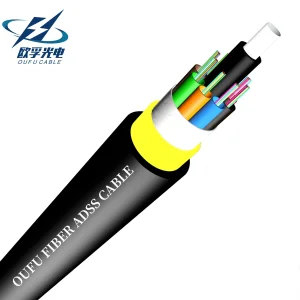
ADSS None (Non-metallic) Aramid Yarn Wrap 12 to 144 Cores High-voltage overhead lines, self-supporting aerial
Gcyfy None (Microduct optimized) FRP (Fiber Reinforced Plastic) 2 to 288 Cores Air-blown microduct, high-density metropolitan networks

Global Procurement Benchmarks & Telecom Compliance

For global engineering consultants and municipal planners designing networks for locations like Takamaka, standard compliance is non-negotiable. To ensure standard compliance and longevity, global buyers look for the following standards:

  • ITU-T G.652.D / G.657.A1 & A2: Low water-peak single-mode fibers ensuring low attenuation values across the full transmission spectrum (O, E, S, C, L bands).
  • IEC 60794-1: International standards for optical fiber cables, covering strict mechanical test criteria (tensile load, crush resistance, impact testing, and temperature cycling from -40°C to +70°C).
  • RoHS & REACH: Guaranteeing that zero toxic materials are used, protecting the pristine natural environments of regions like Takamaka.
  • UV-Resistant Polyethylene (PE) Outer Jacket: Necessary to prevent jacket cracking under intense tropical UV exposure.
About Dongguan XT Cabled Co., Ltd.

Dongguan XT Cabled Co., Ltd. is a professional manufacturer specializing in fiber optic cables and optical connectivity solutions for industrial, telecommunications, and data center applications. Established in 2012, the company is located in Dongguan, Guangdong Province, one of China's leading manufacturing hubs. With a production facility covering over 12,000 square meters and a team of more than 180 employees, XT Cabled is committed to delivering reliable, high-performance fiber optic products to customers worldwide.

The company's product portfolio includes single-mode fiber optic cables, multi-mode fiber optic cables, FTTH cables, armored fiber optic cables, outdoor fiber cables, indoor fiber cables, data center cabling solutions, industrial optical cables, and customized optical connectivity products. These solutions are widely used in telecommunications networks, broadband infrastructure, smart buildings, industrial automation systems, cloud computing facilities, and large-scale data centers.

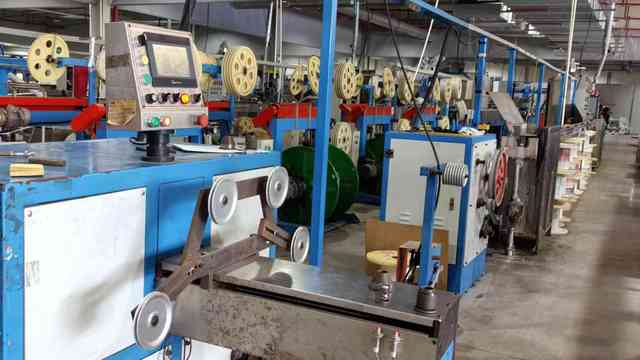
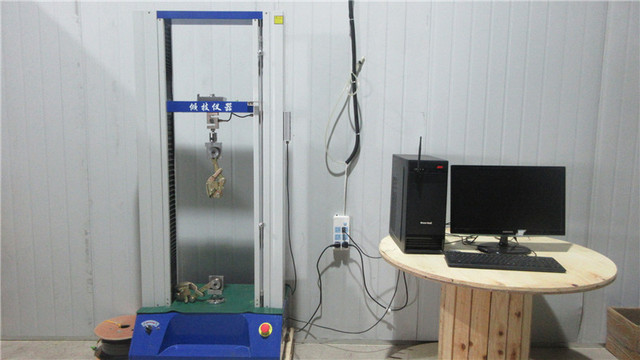
XT Cabled operates advanced production lines and testing laboratories equipped with modern inspection instruments to ensure product consistency and compliance with international quality standards. The company follows strict quality management procedures throughout material sourcing, manufacturing, testing, and delivery processes. Its products are manufactured in accordance with recognized industry standards and are supplied to customers across North America, Europe, Southeast Asia, the Middle East, and other global markets.

In addition to standard products, XT Cabled provides OEM and ODM manufacturing services, supporting customers with customized cable structures, specifications, packaging, and branding requirements. Through continuous investment in technology, manufacturing efficiency, and customer service, Dongguan XT Cabled Co., Ltd. strives to be a trusted partner for global optical communication and network infrastructure projects.

Manufacturing & Engineering Operations

Every batch of loose tube fiber optic cable leaving our factory floors undergoes exhaustive optical and physical validation. We run OTDR (Optical Time-Domain Reflectometer) trace tests on 100% of manufactured drums to ensure attenuation rates meet or exceed specifications (specifically ≤0.36 dB/km at 1310nm and ≤0.22 dB/km at 1550nm). Our environmental simulation chambers test structural limits, ensuring the cables handle direct heat exposure, high UV levels, and physical shear loads common to coastal and mountainous deployments.

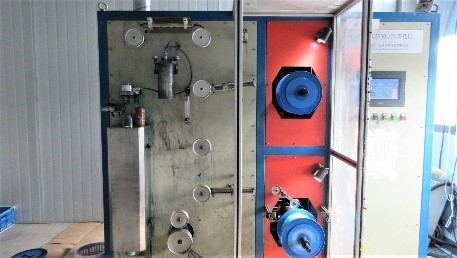
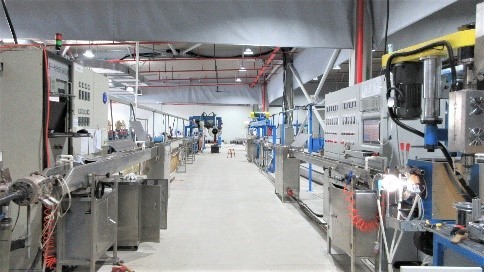
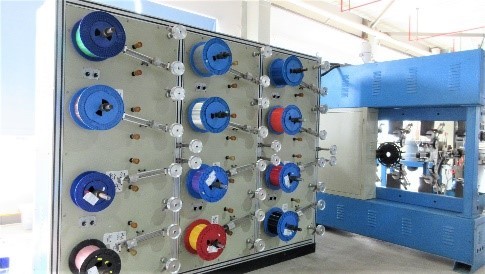
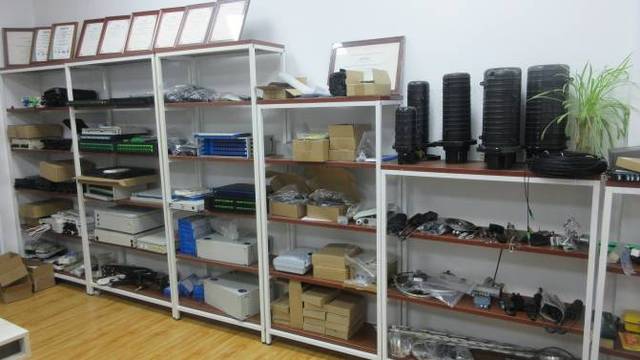
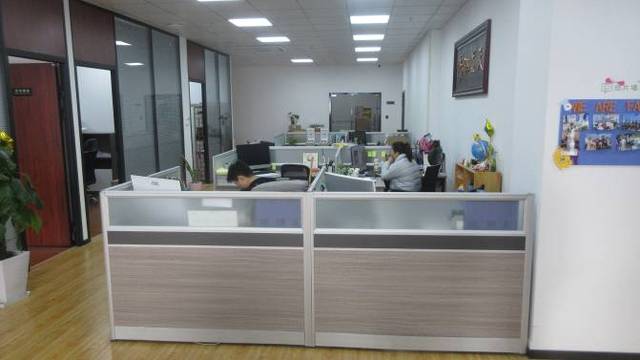
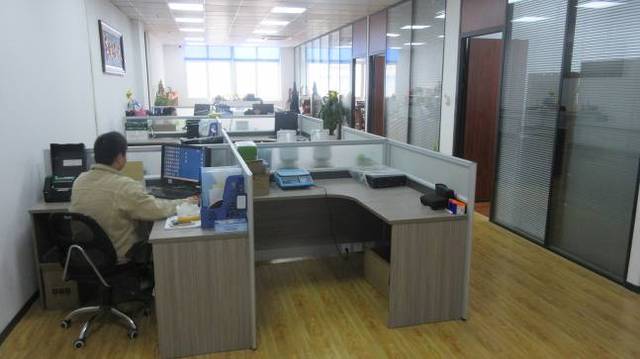
XT Cabled Production Facility Gallery

Tactical Deployment Guidelines: Seychelles Environments

Deploying fiber optic cables in coastal tropical environments requires specialized field techniques. Simply selecting a high-grade cable is not enough; installation practices must also prevent structural failures:

1. Water Blocking Strategy

Ensure that any splice enclosures deployed in districts like Takamaka are rated to IP68. The gel-filled loose tubes should be prepared utilizing professional cleaning solvents to remove the gel entirely before splicing. This prevents standard gel components from contaminating the fusion splicer electrodes.

2. Bend Radius Control

During installation, the dynamic bend radius of the cable should not exceed 20 times the cable's outer diameter. For static installations, this can be reduced to 10 times. Exceeding these values can cause micro-bending losses that degrade the optical signal.

3. Aerial Tension Management

When using ADSS (All-Dielectric Self-Supporting) cables across utility poles, calculate the maximum sag based on expected local wind loads and storm frequencies. Correct tension limits ensure the internal glass fibers remain strain-free under heavy tension.

Frequently Asked Questions: Loose Tube Fiber Solutions

What is the typical lifespan of loose tube fiber optic cables in coastal regions?

Under standard installation parameters, a premium UV-stabilized HDPE jacketed loose-tube gel-filled cable has a design life exceeding 25 to 30 years. The gel compounds and water-blocking tapes protect the internal glass from the moisture degradation typical in high-salinity zones.

Why is PE (Polyethylene) preferred over PVC for outdoor loose tube cables?

PE features superior moisture resistance, excellent UV protection, and structural integrity across broad temperature variations. PVC degrades much quicker under intense direct tropical sunlight and lacks the moisture barriers required for direct burial and duct environments.

Can you provide customized fiber coloring and sheath branding for local projects?

Yes, Dongguan XT Cabled Co., Ltd. provides full OEM/ODM options. We can customize fiber color coding (TIA-598-D standard or customized color maps), jacket materials (LSZH, PE, or PA), surface print markings, packaging drum lengths, and mechanical dimensions based on project specifications.

How does armored GYTS or GYTA cable prevent rodent and pest damage?

The corrugated steel tape (in GYTS) or aluminum tape (in GYTA) creates a tough physical barrier. When rodents attempt to bite through the jacket, they hit the metallic armoring, which stops them from penetrating the buffer tubes and damaging the inner glass fibers.

Request a Custom Cable Technical Quote

Need specialized loose tube optical cables optimized for rural deployments, coastal salinity, or high-density air-blown systems? Get in touch with our engineering team for data sheets, custom designs, and competitive factory-direct pricing.