XT Cabled
1 / 5
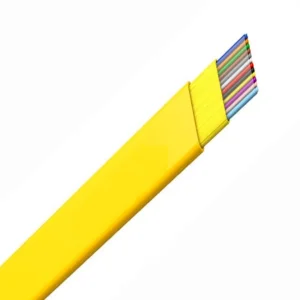
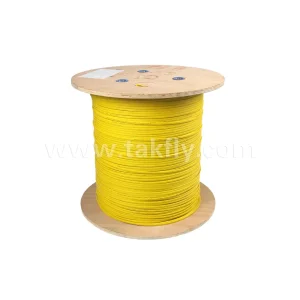
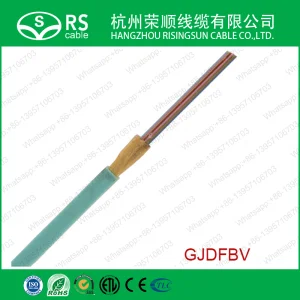
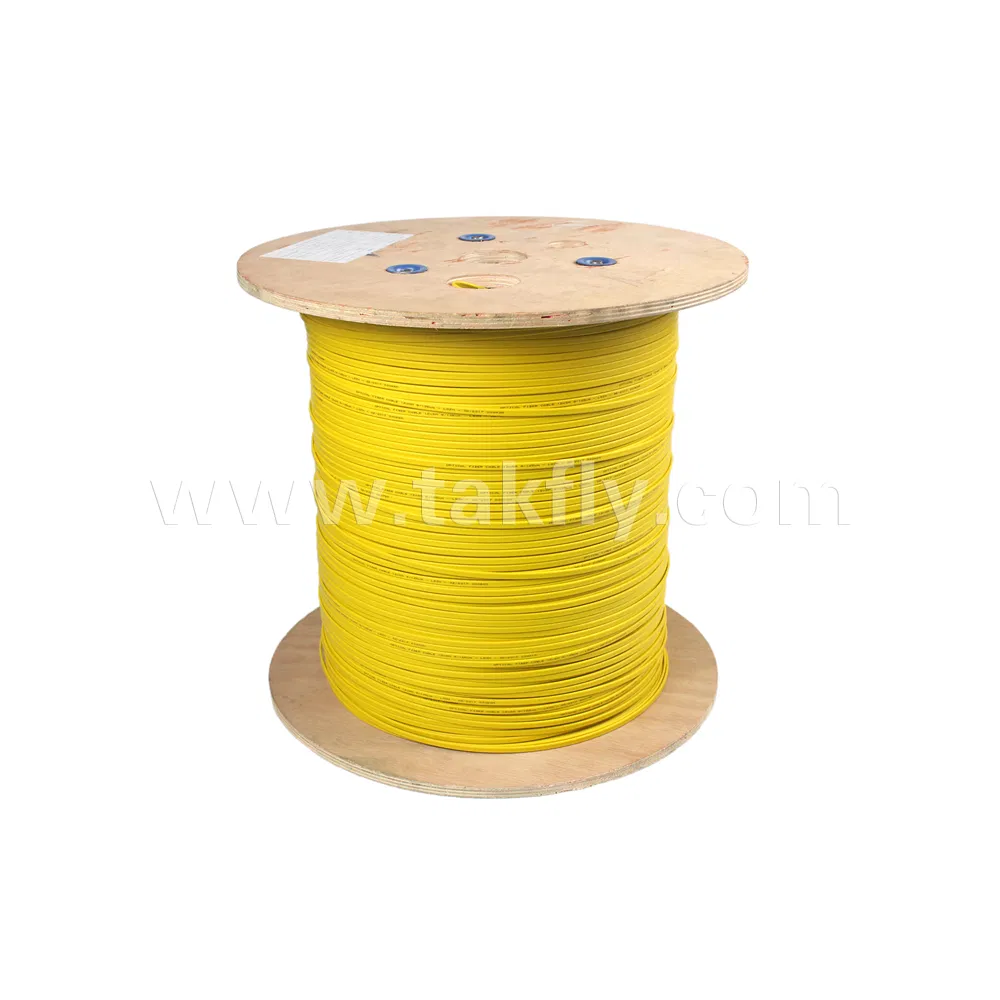
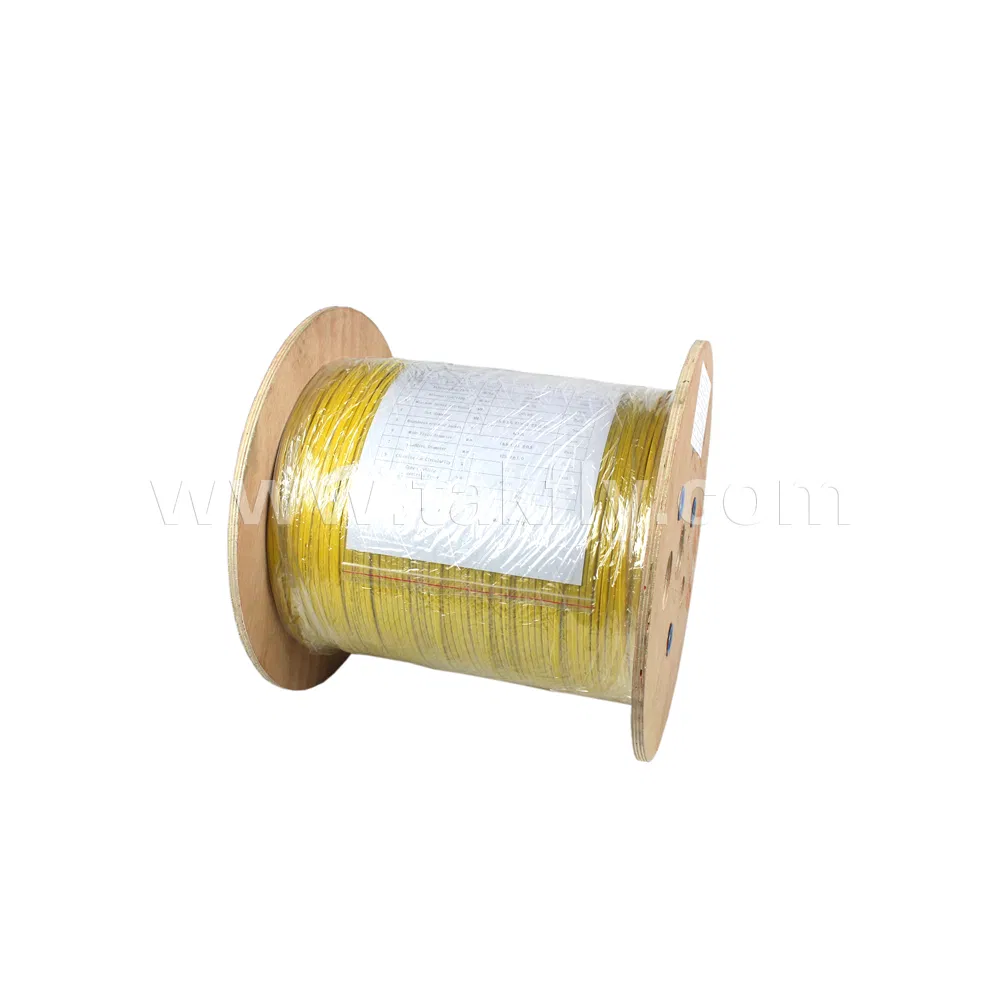
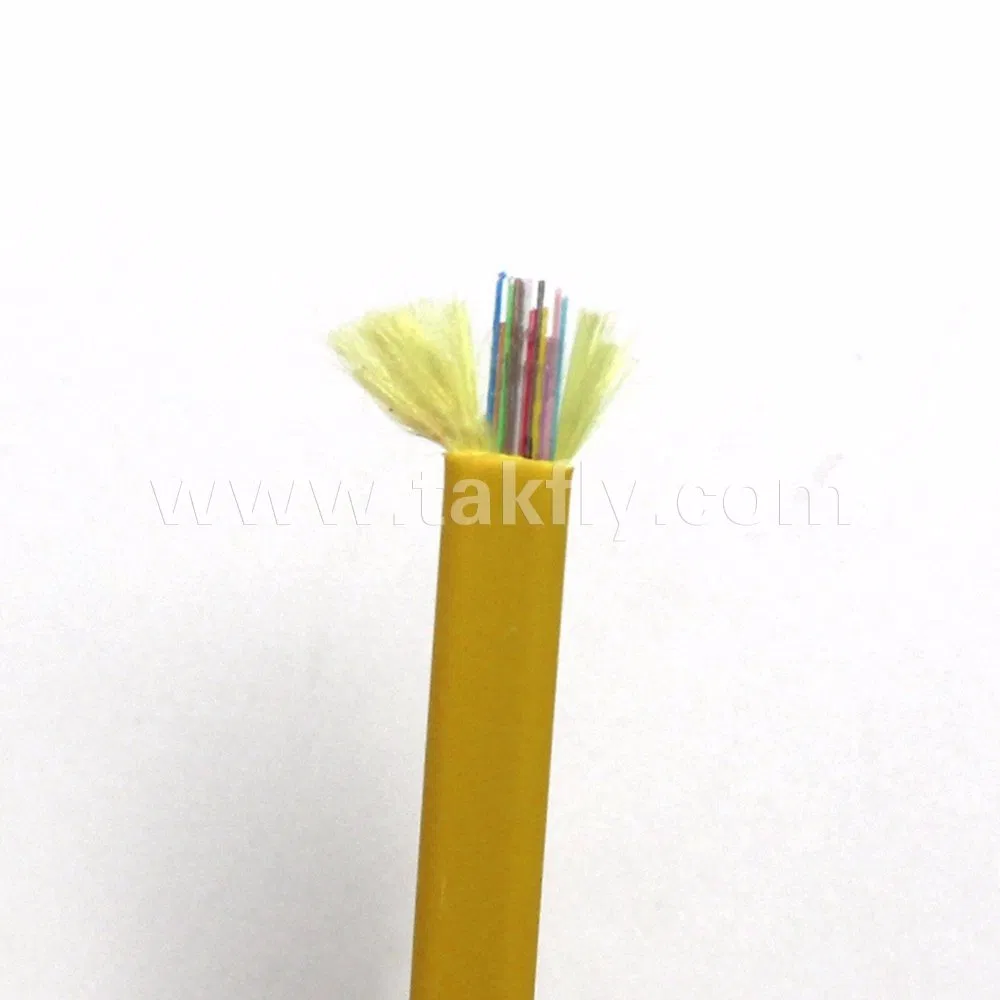
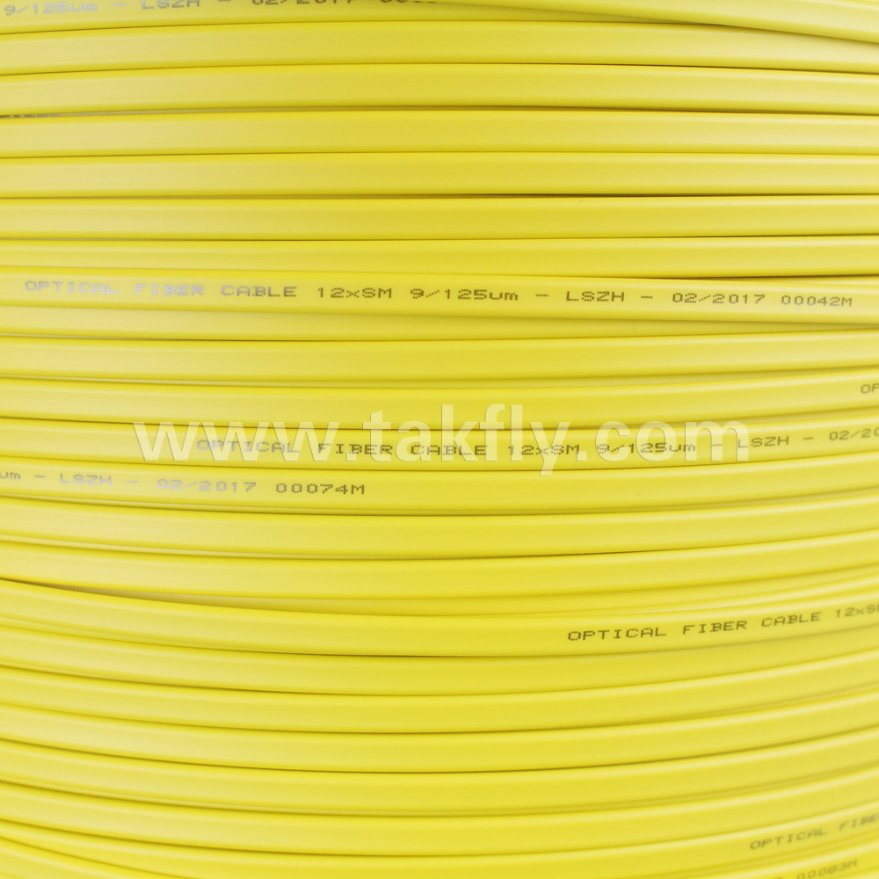
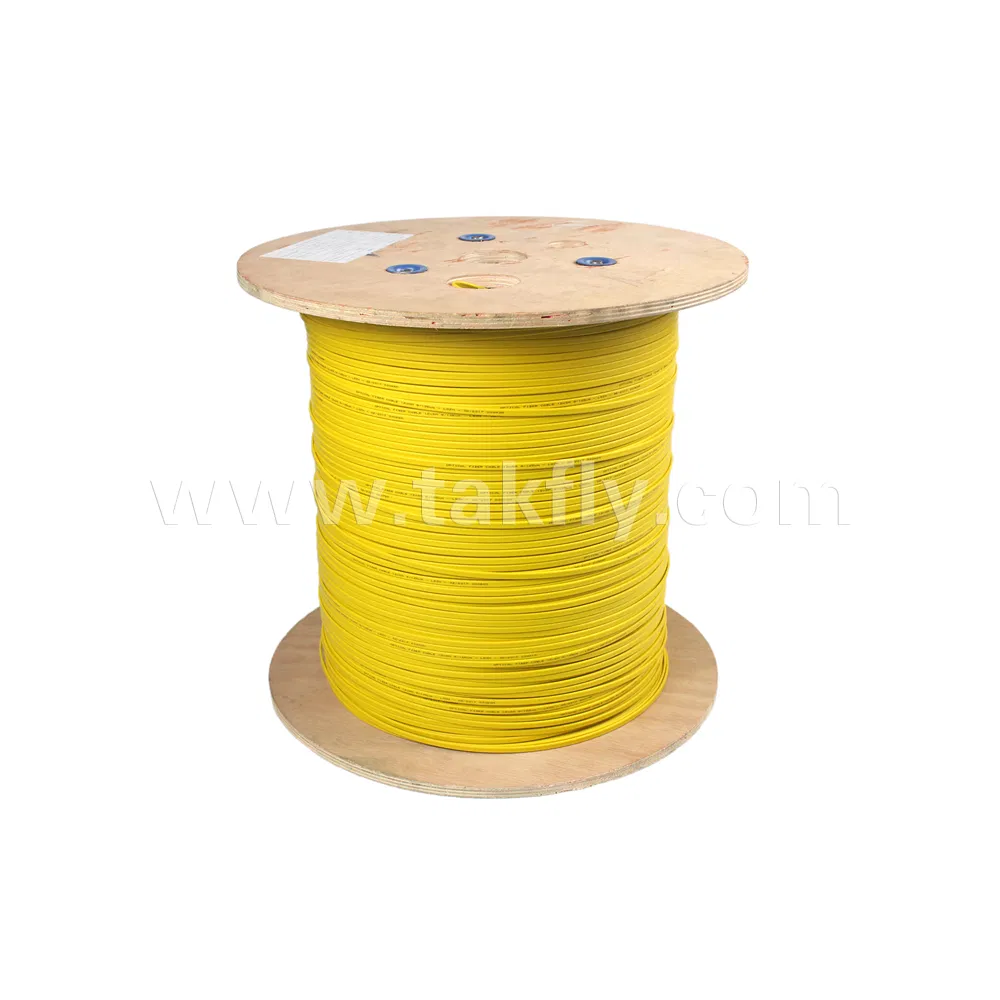
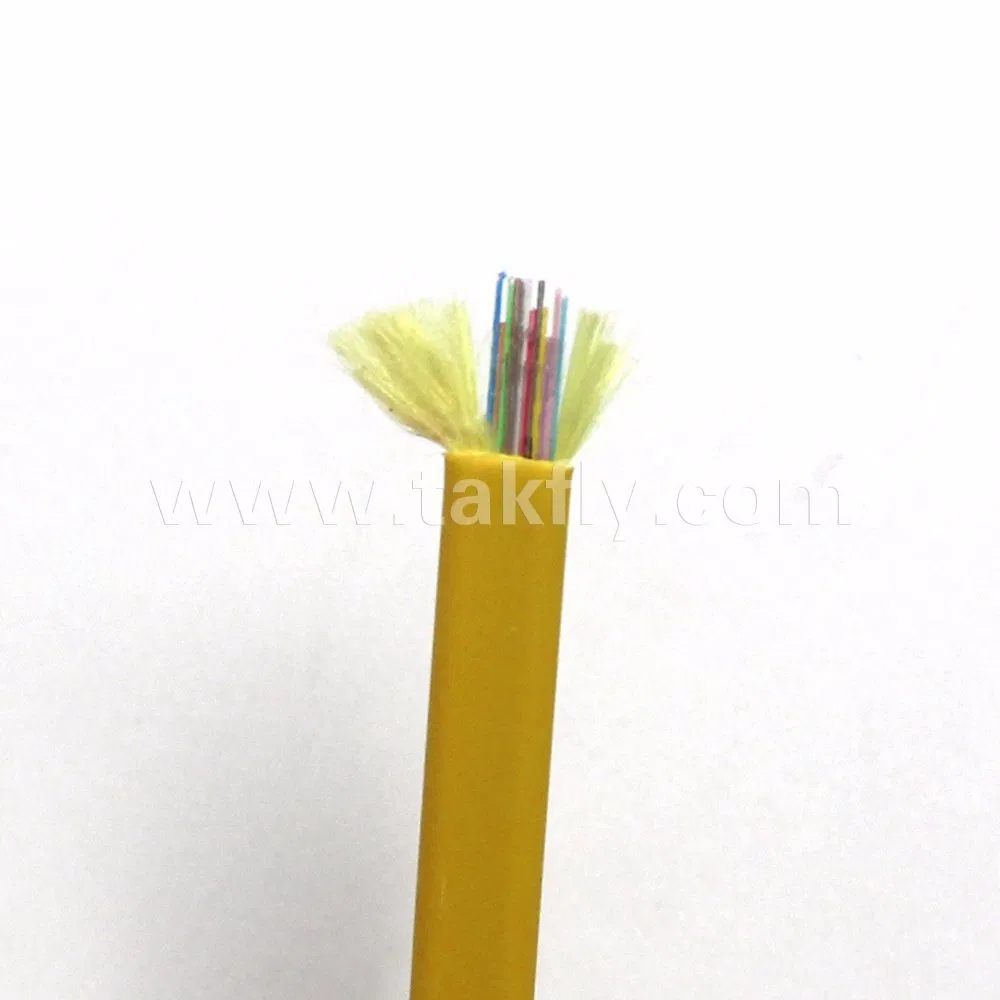
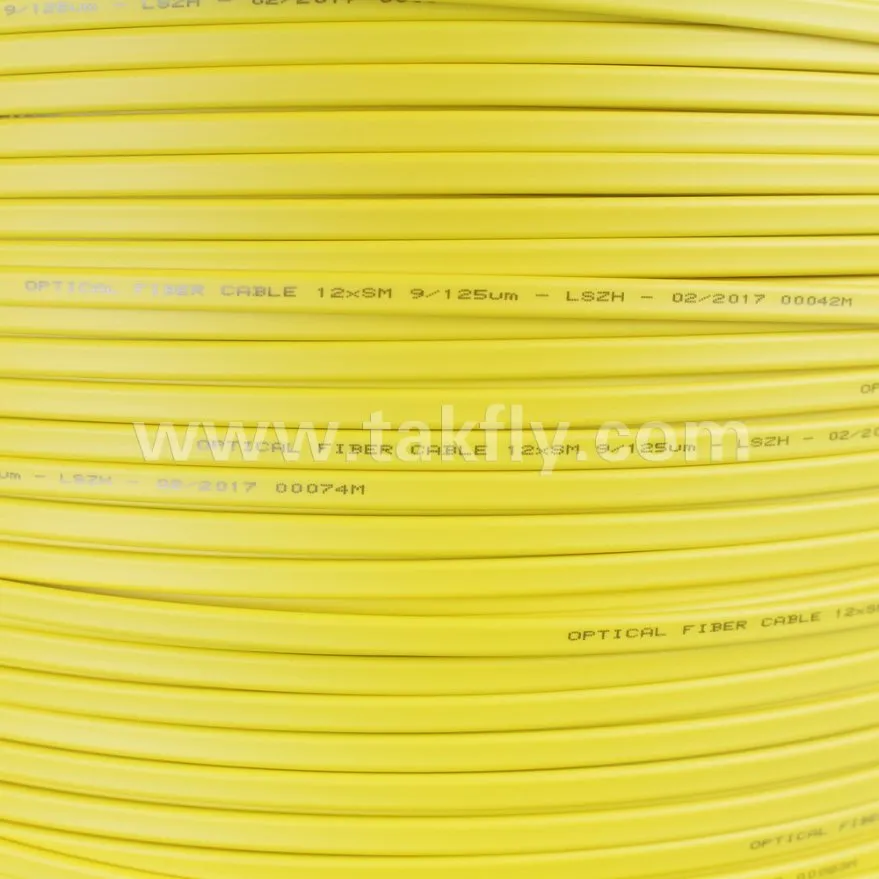
GJDFJV flat fiber ribbon cable is used as an optical communication medium. The fiber is wrapped with a layer of aramid yarn as strength member units, and the cable is completed with a flat PVC or LSZH jacket.
| Cable Count (MM) | Outside Diameter (MM) | Weight (KG) | Tensile Strength (N) Short/Long Term |
Crush Load (N/100mm) Short/Long Term |
Bending Radius (MM) Short/Long Term |
Storage Temp (ºC) | |||
|---|---|---|---|---|---|---|---|---|---|
| 2 | 3.5×2.5 | 13.00 | 500 | 100 | 500 | 100 | 20D | 10D | -20+60 |
| 4 | 3.5×2.5 | 13.00 | 500 | 100 | 500 | 100 | 20D | 10D | -20+60 |
| 6 | 4.0×2.5 | 15.00 | 500 | 100 | 500 | 100 | 20D | 10D | -20+60 |
| 8 | 4.5×2.2 | 15.00 | 500 | 100 | 500 | 100 | 20D | 10D | -20+60 |
| 12 | 4.8×2.2 | 17.00 | 500 | 100 | 500 | 100 | 20D | 10D | -20+60 |
| Fiber Sort | Type | Standard | Specification | Description |
|---|---|---|---|---|
| Multimode | G.651 | A1a | 50/125 | Graded-index fiber |
| A1b | 62.5/125 | |||
| Singlemode | G.652 | A, B, C, D | Conventional fiber | |
| G.653 | B2 | Zero dispersion shifted | ||
| G.654 | B1.2 | Cut-off wavelength shifted | ||
| G.655 | B4 | Non-zero dispersion shifted | ||
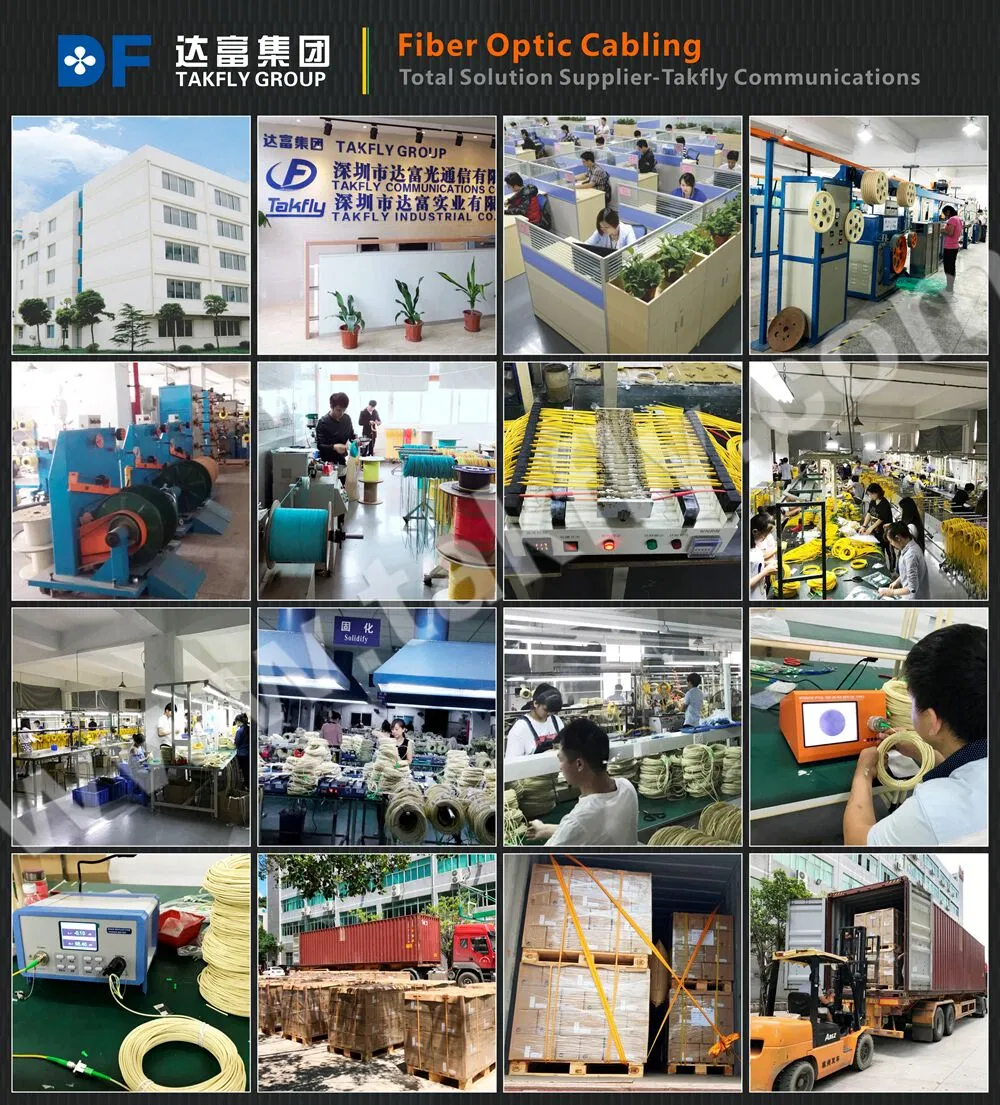
The manufacturing process follows strict quality management systems and advanced production technology. These products are equipped with high standards, meeting various international requirements including CE and FCC. These cables are widely applied to metropolitan network access networks, fiber to the home (FTTH) networks, electric power systems, and other critical data communication infrastructures.