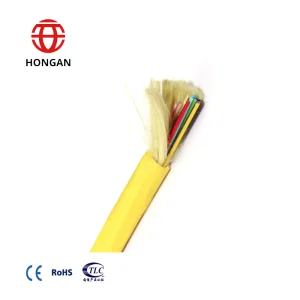
Explore our industrial-grade fiber optic cables designed for extreme subsea depths, high-voltage networks, and distributed acoustic sensing deployment.
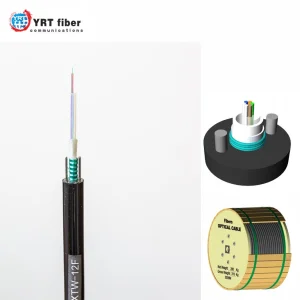
In modern industrial safety and long-distance perimeter protection, traditional point-sensors (such as thermal couples or localized vibration sensors) fall short. They leave vast blind spots, require constant field power, and suffer from high maintenance overhead. Distributed Fiber Optic Sensing (DFOS) technologies address these challenges by converting an entire fiber optic line into a continuous, real-time sensor array stretching over tens of kilometers.
“By sending light pulses down standard single-mode and multi-mode fiber structures, our systems capture phase shifts, frequency offsets, and intensity changes caused by micro-strains, acoustics, and temperature fluctuations.”
As a leading developer and exporter of CE-certified optoelectronic products, Dongguan XT Cabled Co., Ltd. integrates state-of-the-art optical fiber manufacturing with structural design to meet rigorous international standards for monitoring pipelines, subsea assets, structural health, and national borders.
To implement an effective fiber optic monitoring system, engineers must match the correct backscattering physics to their specific operational hazards:
Monitors phase changes induced by Rayleigh backscattering. Detects acoustic waves, mechanical vibration, and footsteps up to 50 km away.
Utilizes Raman scattering. Measures shifts in anti-Stokes intensity to trace temperature gradients in power grids and gas lines.
Employs Brillouin scattering. Tracks mechanical structural shifts, ground deformation, and cable tension along critical infrastructure.
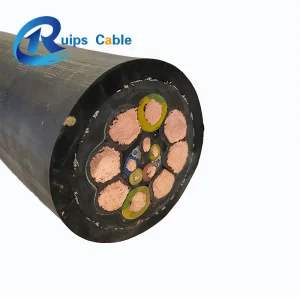
Combining these physics into a unified cable structure requires tight engineering controls. For instance, underwater photoelectric composite cables with copper conductors must handle mechanical strain under hydrostatic pressure while maintaining optical transmission properties.
| Monitoring System Type | Sensing Principle | Typical Range | Spatial Resolution | Key Applications |
|---|---|---|---|---|
| Distributed Acoustic (DAS) | Rayleigh Scattering (Coherent OTDR) | Up to 50 km | 1 - 5 meters | Third-party intrusion, border security, railway vibration. |
| Distributed Temperature (DTS) | Raman Scattering (Stokes/Anti-Stokes ratio) | Up to 30 km | 0.5 - 2 meters | Power cable hot-spot detection, pipeline leakage, fire monitoring. |
| Distributed Strain (DSS) | Brillouin Scattering (BOTDA / BOTDR) | Up to 80 km | 0.2 - 1 meter | Landslide monitoring, structural health of dams, bridge deflection. |
Establishing reliable fiber optic sensing networks depends heavily on the quality of raw cable manufacturing. Dongguan, Guangdong Province, stands as a global hub for optoelectronics. Our facility at Dongguan XT Cabled Co., Ltd. leverages this ecosystem to deliver distinct manufacturing advantages:
Our CE-certified fiber optic cables operate across various localized deployment scenarios:
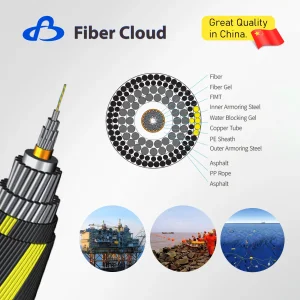
In subsea operations, power transmission lines and data telemetry lines are exposed to tidal shifts, anchor drag, and marine environments. Photoelectric composite submarine cables, which incorporate copper power conductors and armored single-mode fibers, serve as the backbone for remote subsea observatory networks, monitoring offshore wind turbines and transmitting telemetry while tracking real-time subsea seismic activity.
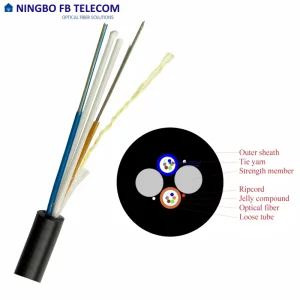
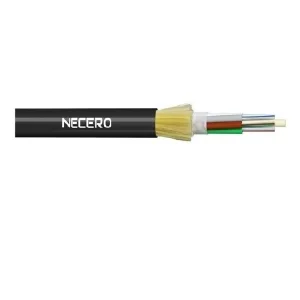
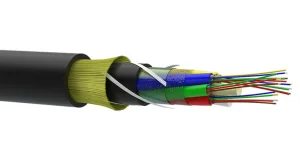
ADSS fiber optic cables are deployed along high-voltage transmission lines. Being all-dielectric, they prevent electromagnetic interference (EMI) and lightning arcs. Our ADSS solutions serve double duties: carrying high-speed communications and functioning as Distributed Temperature Sensors to monitor structural health and thermal overloading on power grids.
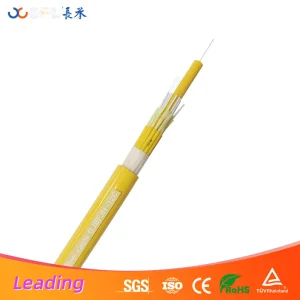
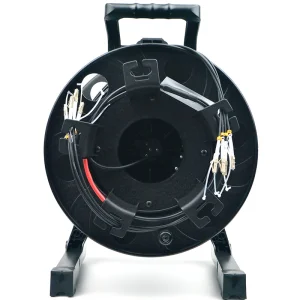
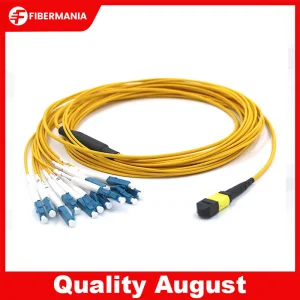
For data centers and smart campuses requiring compact cabling, we produce custom MPO-to-LC breakouts and breakout fiber cables. Built with LSZH flame-retardant materials, these systems ensure high density, fire safety, and scalability while supporting local network security monitoring.
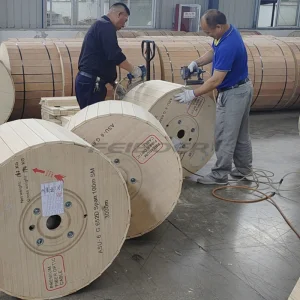
Take a tour through our 12,000 square meter ISO-certified manufacturing facility, production lines, and quality control laboratories.
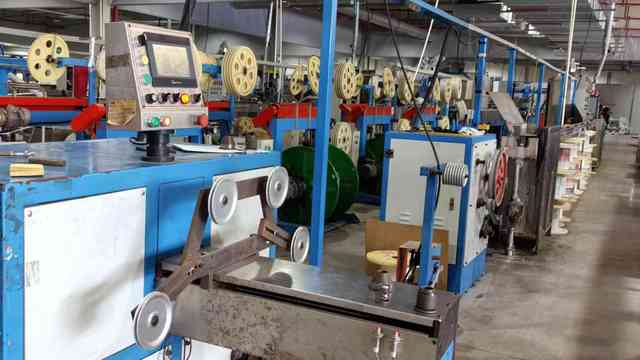
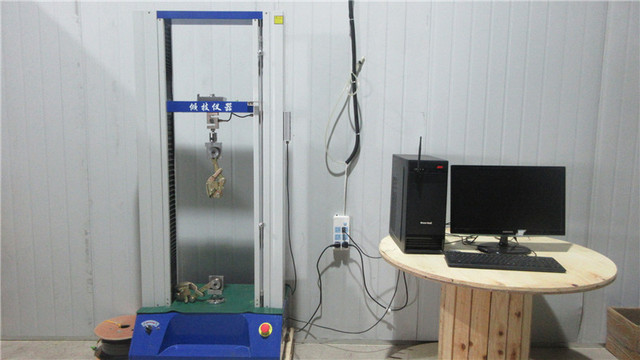
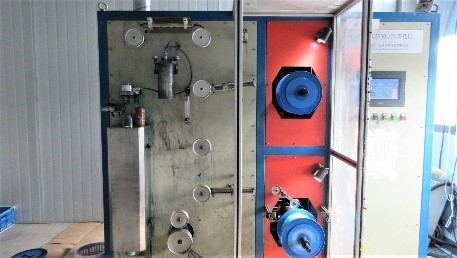
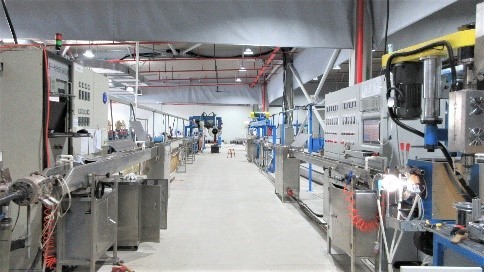
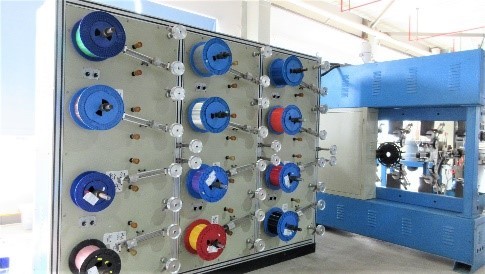
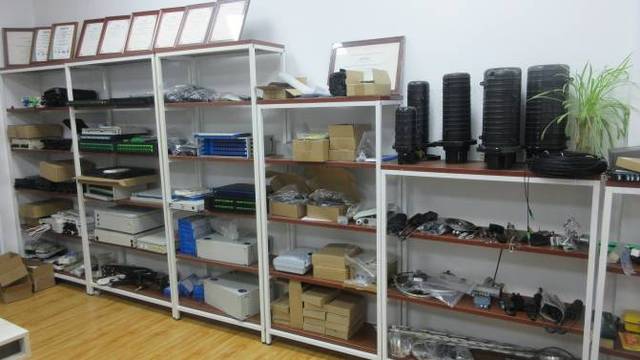
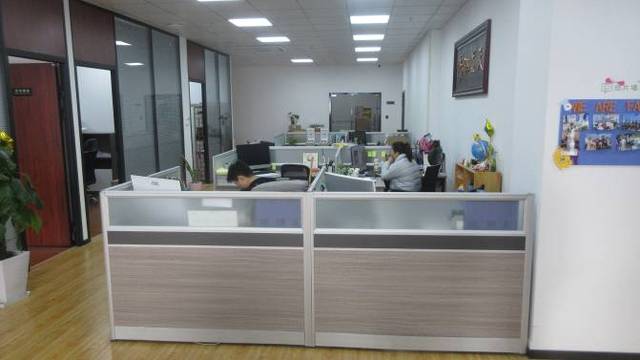
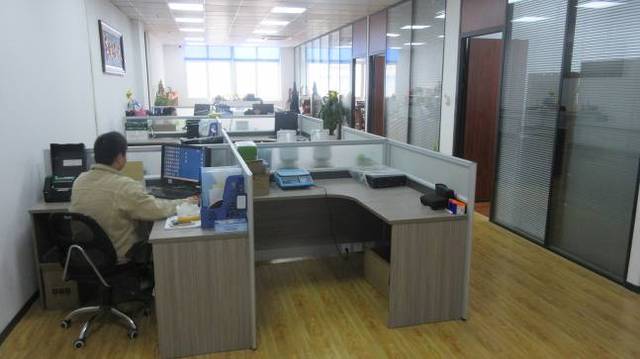
Dongguan XT Cabled Co., Ltd. is a professional manufacturer specializing in fiber optic cables and optical connectivity solutions for industrial, telecommunications, and data center applications. Established in 2012, the company is located in Dongguan, Guangdong Province, one of China's leading manufacturing hubs. With a production facility covering over 12,000 square meters and a team of more than 180 employees, XT Cabled is committed to delivering reliable, high-performance fiber optic products to customers worldwide.
The company's product portfolio includes single-mode fiber optic cables, multi-mode fiber optic cables, FTTH cables, armored fiber optic cables, outdoor fiber cables, indoor fiber cables, data center cabling solutions, industrial optical cables, and customized optical connectivity products. These solutions are widely used in telecommunications networks, broadband infrastructure, smart buildings, industrial automation systems, cloud computing facilities, and large-scale data centers.
XT Cabled operates advanced production lines and testing laboratories equipped with modern inspection instruments to ensure product consistency and compliance with international quality standards. The company follows strict quality management procedures throughout material sourcing, manufacturing, testing, and delivery processes. Its products are manufactured in accordance with recognized industry standards and are supplied to customers across North America, Europe, Southeast Asia, the Middle East, and other global markets.
In addition to standard products, XT Cabled provides OEM and ODM manufacturing services, supporting customers with customized cable structures, specifications, packaging, and branding requirements. Through continuous investment in technology, manufacturing efficiency, and customer service, Dongguan XT Cabled Co., Ltd. strives to be a trusted partner for global optical communication and network infrastructure projects.
Explore our complete fiber optic interconnect solutions for high-density networks, FTTH drops, and specialized communication links.
 XT Cabled