In modern high-speed optical transmission networks, selecting the correct optical media is only half the battle. To guarantee system operational integrity, link validation utilizing a high-precision Fiber Optic Cable Tester is imperative. Optical networks transporting terabits of critical data require continuous, zero-tolerance quality audits during installation, commissioning, and maintenance cycles.
As a leading engineering entity, Dongguan XT Cabled Co., Ltd. (established in 2012 in the manufacturing center of Dongguan, Guangdong Province) leverages advanced production lines to manufacture elite-level fiber systems. By bridging the gap between superior structural cable design and advanced optical metrology (including OTDR, OLTS, and end-face testing), we ensure that global telecom projects maintain maximum uptime and structural efficiency.
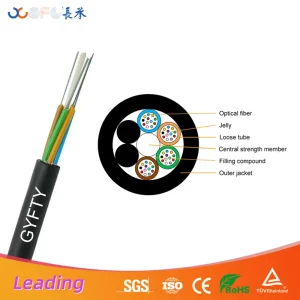
Precision-engineered cabling options designed to pass rigorous Tier-1 and Tier-2 optical testing protocols.
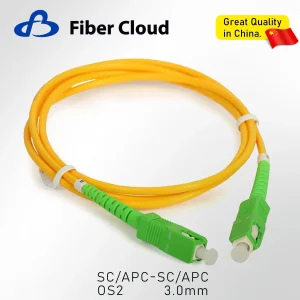
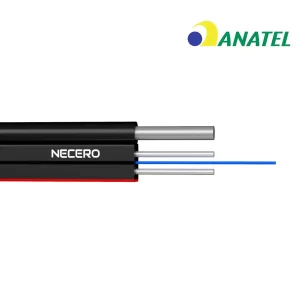
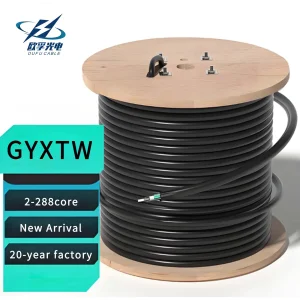
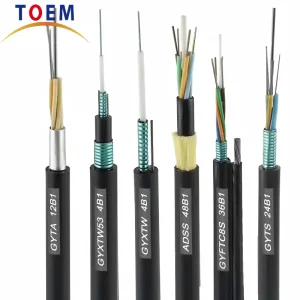
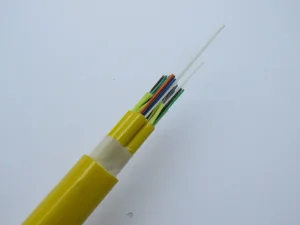
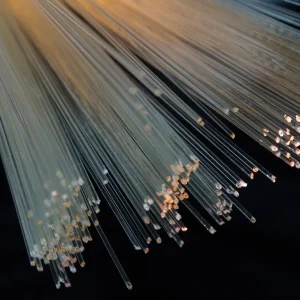
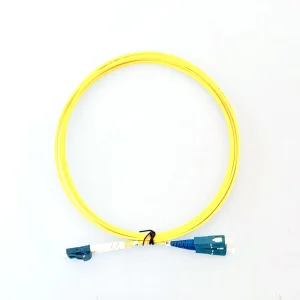
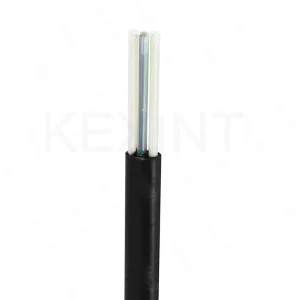
Analyzing industry benchmarks, standard parameters, and critical device integrations across telecommunication networks.
Measures the total insertion loss of a fiber optic span using an Optical Loss Test Set (OLTS). Compares total loss against calculated budget values outlined by TIA-568.3-D to secure formal certification.
Optical Time Domain Reflectometers provide location-based event mapping. They identify localized issues, macrobends, splices, and connectors to verify return loss (RL) and trace attenuation patterns.
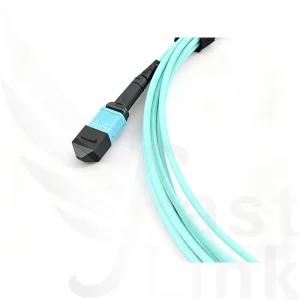
Leveraging digital inspection probes conforming to the IEC 61300-3-35 standard. Eliminates micro-particle contamination on ferrule connectors—the primary cause of signal degradation in high-speed networks.
In telecommunication infrastructure deployments, a cable system is only as good as its tested proof. Utilizing Fiber Optic Cable Testers guarantees that raw physical medium meets rigorous industrial performance parameters. High-performance installations depend on precision parameters like modal dispersion limits in OM3/OM4/OM5 fibers, and chromatic dispersion values in G.652.D single-mode setups.
Every fiber production patch at Dongguan XT Cabled Co., Ltd. undergoes multi-stage structural validation. By utilizing OTDR systems to verify attenuation stability and interferometry to inspect ferrule geometry, we guarantee that our products perform reliably in the field.
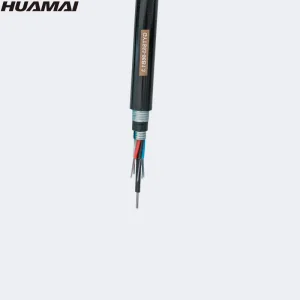
Whether deploying low-smoke zero-halogen (LSZH) FTTH drops or heavy-duty armored underwater cables, precise metrology prevents costly signal failures and protects the network's long-term performance.
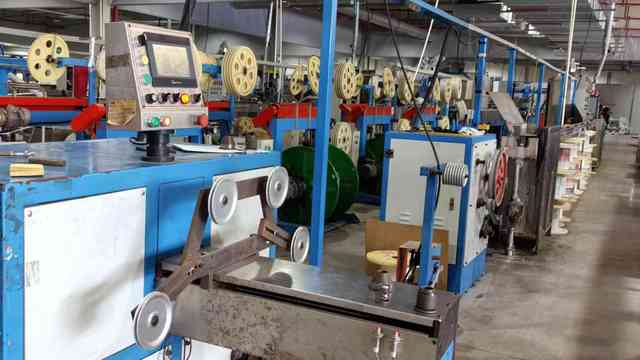
When sourcing optical solutions, telecom engineers must look beyond basic parameters to assess overall manufacturing capability. An integrated production workflow, where testing protocols and raw material sourcing work hand-in-hand, is key to maintaining consistent product quality.
Industrial fiber factories deploy multi-wavelength light sources, high-resolution optical power meters, and precise visual fault locators to run extensive link evaluations before shipping.
Our products feature clear tracking codes. This lets engineers reference specific factory test data, trace raw materials, and review OTDR profiles for every shipped batch.
All cable types undergo strict thermal testing. Cables are cycled through temperatures from -40°C to +70°C to guarantee long-term stability in harsh outdoor environments.
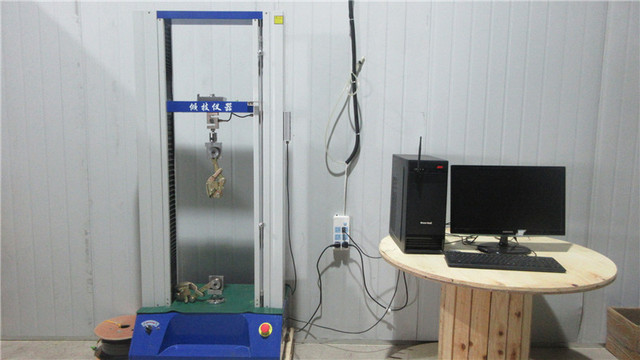
Dongguan's advanced industrial ecosystem allows Dongguan XT Cabled Co., Ltd. to optimize raw material sourcing and production processes. With local access to high-grade silica preforms, robust strength members, and specialized LSZH polymers, we can produce high-quality fiber cables efficiently and cost-effectively.
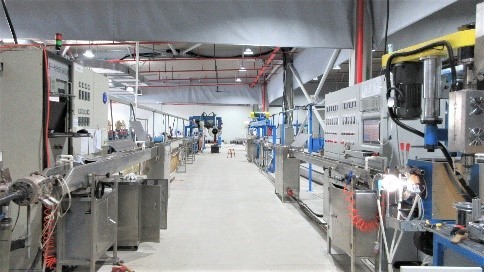
Our centralized facility coordinates structural cabling design, automated outer sheathing extrusion, and final quality control in one continuous process. By reducing logistics steps and production downtime, we deliver custom fiber solutions with short lead times and stable pricing.
As networks scale to 800G, 1.6T, and beyond, both fiber design and testing methods must evolve. Next-generation systems require tighter tolerance controls and new measurement techniques to ensure performance.
Next-gen cables utilize multiple cores within a single cladding to increase spatial density. Testing MCF networks requires advanced OTDR systems that can analyze crosstalk and core skew across all channels simultaneously.
Coherent transmission relies on both amplitude and phase states. Modern testing equipment must measure Chromatic Dispersion (CD) and Polarization Mode Dispersion (PMD) precisely to keep high-speed links stable.
We are integrating smart sensors and data analysis into our production lines. By tracking extrusion parameters in real time, we can identify and correct potential micro-defects before they affect the optical core.
Different markets require specific certifications to ensure safety and system compatibility. For example, telecom networks in South America look for Anatel certification, while European installations require specific flame-retardant performance under the Construction Products Regulation (CPR).
Our factory maintains an ISO 9001 quality management system. From testing raw materials to final shipping inspections, our quality control processes ensure compliance with international CE, RoHS, and REACH standards, making our products ready for global deployment.
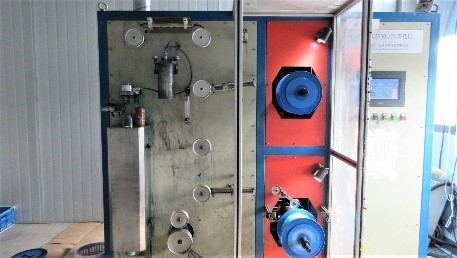
Answering common engineering questions about cable testing, quality validation, and manufacturing standards.
Specialized heavy-duty, multi-core, and indoor/outdoor installation cabling solutions.
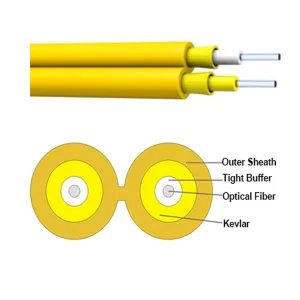
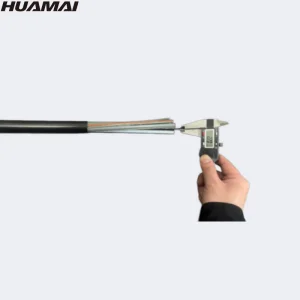
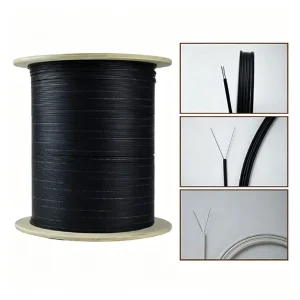
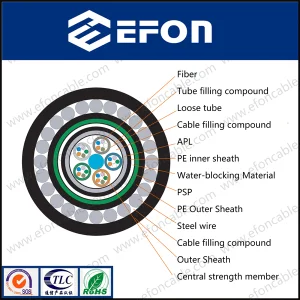
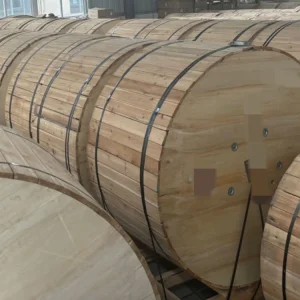
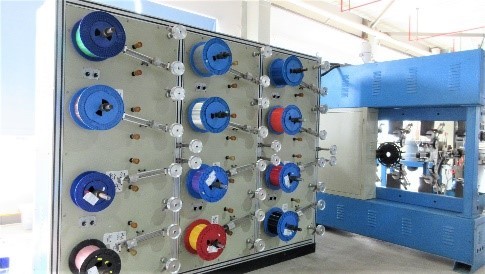
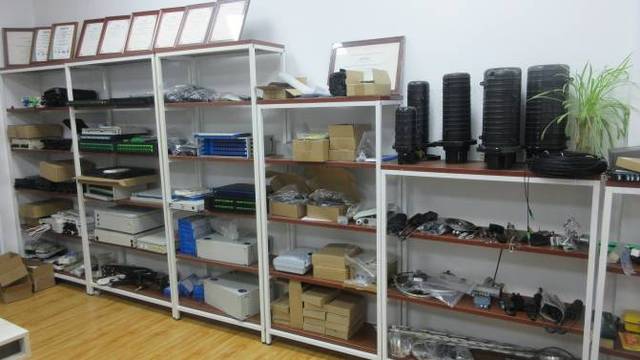
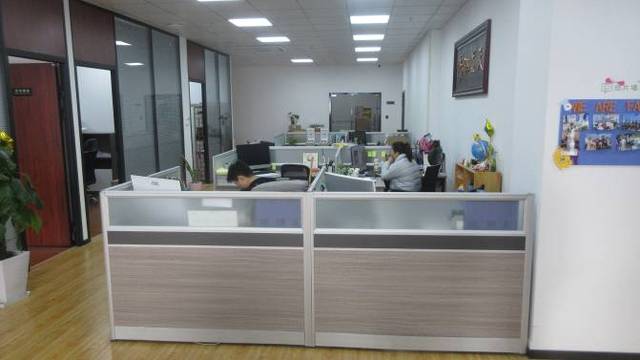
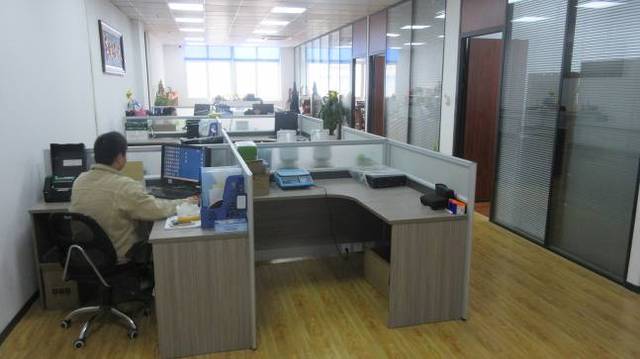
A look inside our 12,000 square meter facility in Dongguan, highlighting our quality testing and production processes.
 XT Cabled