Engineered for Ultra-Low Attenuation & Seamless Core Infrastructure Deployment.
In modern telecommunications, data centers, and long-haul transport networks, the primary objective is to maintain signal integrity over massive distances. As light travels through optical fibers, it inherently experiences signal loss—known as optical attenuation. This loss is caused by absorption, scattering, and physical bending. To combat this physical limitation, networks deploy Fiber Optic Signal Boosters (specifically Erbium-Doped Fiber Amplifiers, or EDFAs, and Raman Amplifiers).
However, a signal booster can only perform as well as the cable infrastructure carrying the light. High-loss physical layers introduce noise, increase the Bit Error Rate (BER), and force amplifiers to operate at higher power levels, which speeds up component degradation. Therefore, procuring ultra-low-loss fiber optic cables—engineered with high-purity silica glass and robust protective structures—is the fundamental baseline for any high-performance optical booster network.
"No booster can fix a signal corrupted by high-attenuation cable. The physical transmission line is the core foundation of signal amplification efficiency."
Global network engineers and telecom buyers are moving beyond simple bulk purchasing to intent-based infrastructure planning. Whether it's connecting FTTH networks, building multi-level cloud data centers, or setting up underground long-haul lines, every deployment has specific attenuation budgets. XT Cabled addresses this by offering specialized optical cabling products. These products are carefully designed to keep attenuation low and work seamlessly with active and passive optical booster systems around the world.
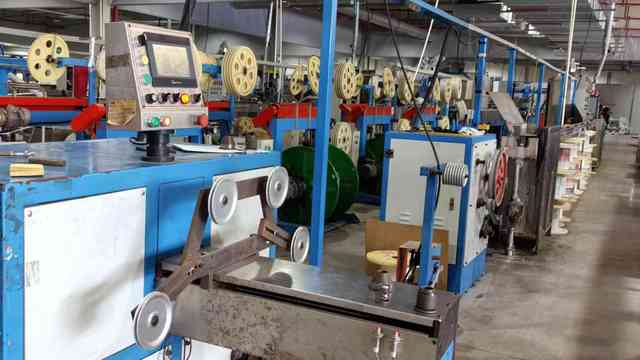
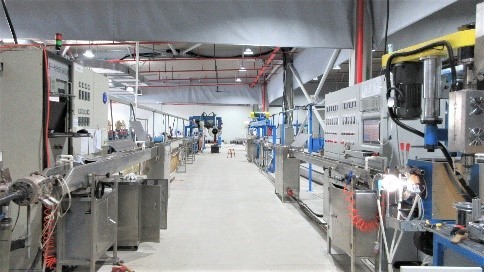
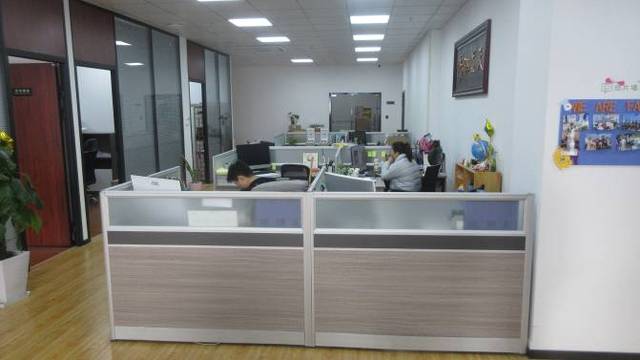
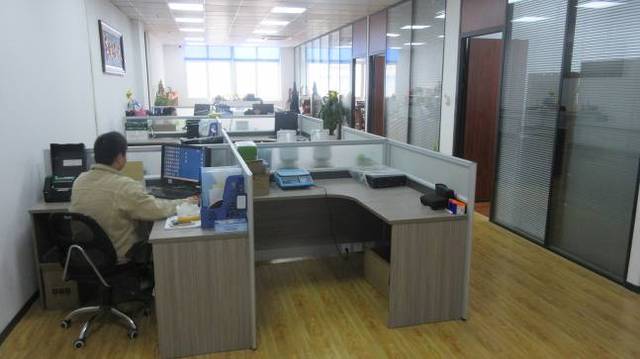
China is the hub of the global optical fiber supply chain. The country's efficiency comes from a highly integrated ecosystem that includes silica purification, preform drawing, sheath compounding, and precise optical testing. Dongguan XT Cabled Co., Ltd. sits at the center of this ecosystem. Established in 2012 in Dongguan, Guangdong Province, the company features a state-of-the-art facility spanning over 12,000 square meters. Our 180+ experienced employees work in a highly specialized environment focused on manufacturing reliability and performance.
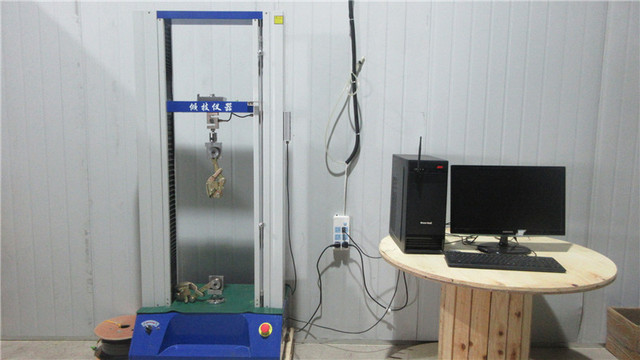
Every batch of fiber cables undergoes rigorous insertion loss, tensile strength, and optical return loss testing before leaving the factory.
Fully customizable fiber structures, jacket options (LSZH, PE, TPU, Hytrel), core counts, and color schemes to meet specific regional requirements.
Located in the Pearl River Delta industrial hub, enabling rapid shipping through Shenzhen, Guangzhou, and Hong Kong ports.
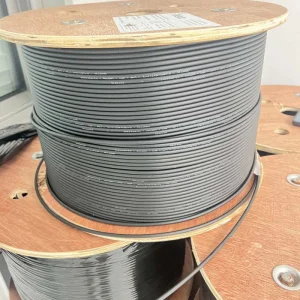
Our factory manages the entire cable construction process. We offer a diverse product portfolio including single-mode (G652D, G657A1, G657A2) and multi-mode (OM3, OM4, OM5) fiber optic cables, alongside FTTH drops, armored, underground, and hybrid composite lines. Our facility is designed to support the infrastructure requirements of global telecom networks, large-scale cloud data centers, and heavy industrial settings.
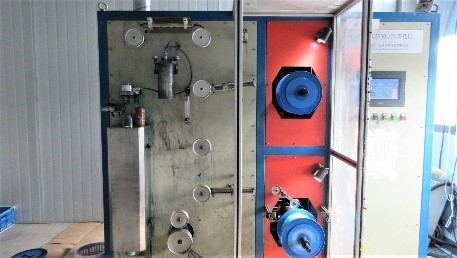
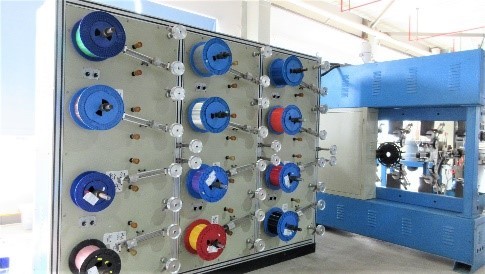
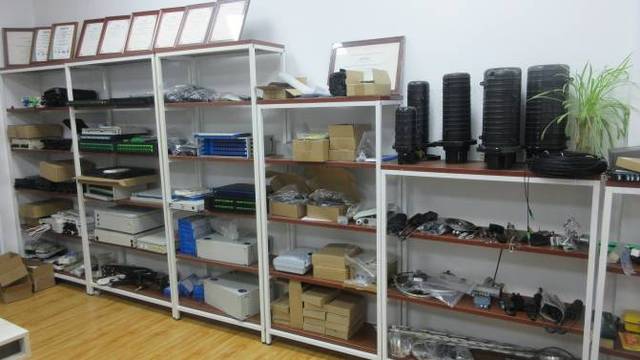
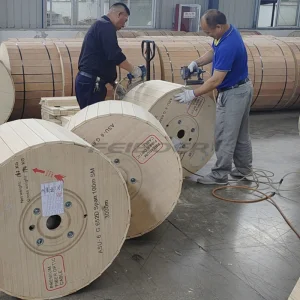
A look inside our 12,000+ sqm production floors, modern extruders, and advanced optical characterization labs.
Optical signal boosting setups require specific physical components based on their environment. Below, we break down typical localized application scenarios and the exact physical setups needed to protect the transmission path.
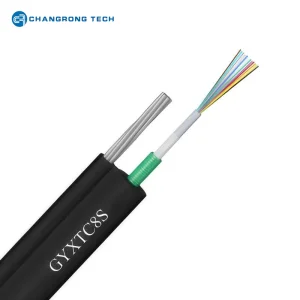
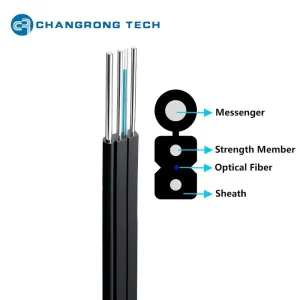
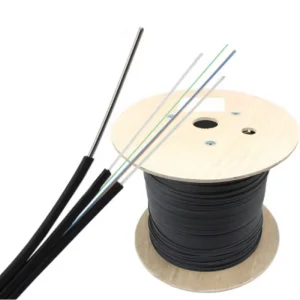
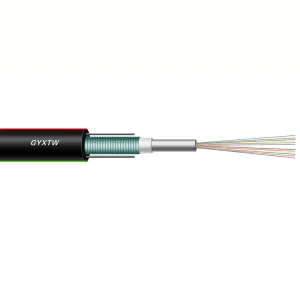
In Fiber-to-the-Home (FTTH) networks, bend-insensitive fiber (G.657.A2 specification) is critical. Indoor and drop cables must handle sharp bends without causing noticeable signal loss. When local loops feature high-power EDFA booster splitters (e.g., 1x32 or 1x64), even minor micro-bends can lead to performance degradation. XT Cabled’s Flat LSZH FTTH Drop Cables and Figure-8 Aerial Cables (GYXTC8S) are built with robust FRP (Fiber Reinforced Plastic) and steel wire strength members. These components keep fiber geometry stable, minimizing loss under tension.
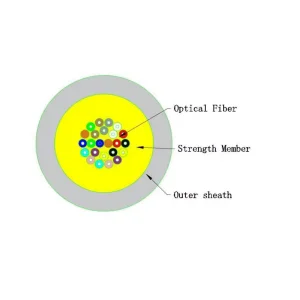
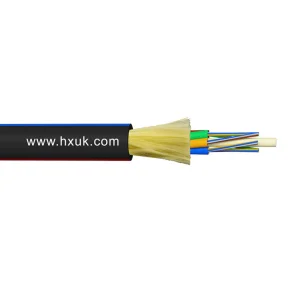
Modern data centers depend on high-density multimode cabling (OM3, OM4, OM5) to handle high-bandwidth traffic. When transmission distances approach 100 meters, signal dispersion becomes a key challenge. Using OM4 or OM5 wide-band multimode fibers is crucial for reducing chromatic dispersion and supporting Short Wavelength Division Multiplexing (SWDM). Our 24-Fiber Micro Distribution Cable Multimode OM4 features a plenum-rated jacket, ensuring reliable, low-attenuation performance in modern data centers.
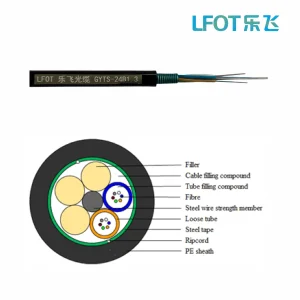
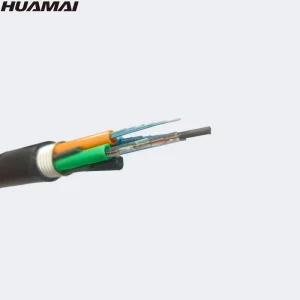
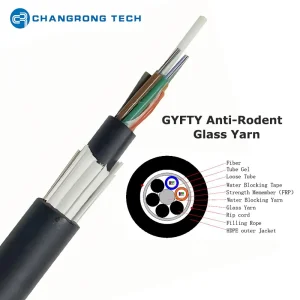
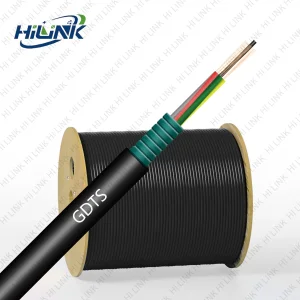
Industrial environments subject optical cables to mechanical stress, chemicals, moisture, and rodent damage. Underground and duct applications need armored cables like our GYTS Armored Cable or rodent-resistant GYFTY Cables. For operations that combine high-voltage power transmission with communication signals, hybrid opto-electric cables (such as GDTS Hybrid Composite Cables) allow signal and power lines to run through a single sheathed cable. This setup reduces complexity while protecting optical fibers from electromagnetic interference (EMI).
Expert answers on optical signal loss, amplification, cabling standards, and procurement options.
High-performance drop cables, hybrid lines, and patch cords for end-to-end optical infrastructure.
 XT Cabled