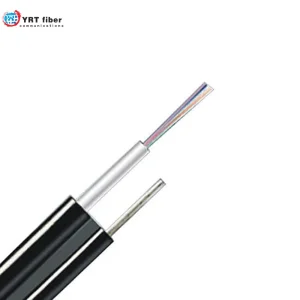
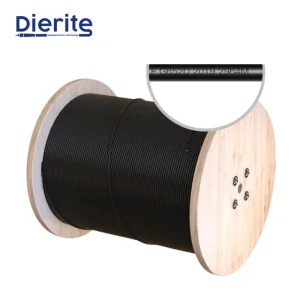
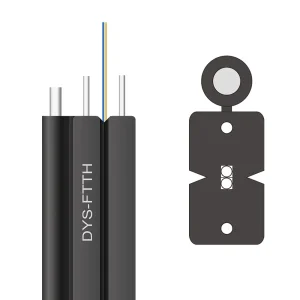
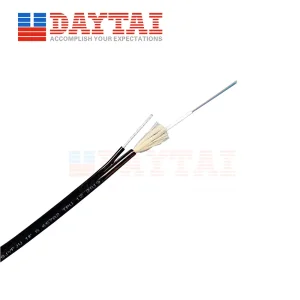
High-performance optical infrastructure products engineered for extreme environments, heavy-duty applications, and high-density distribution networks.
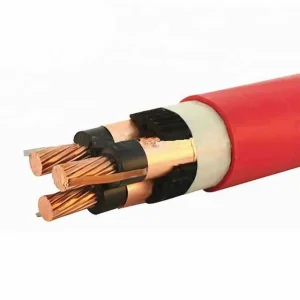
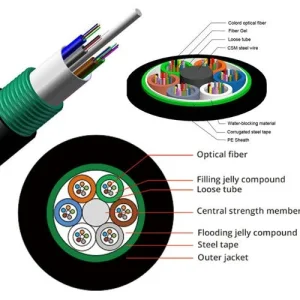
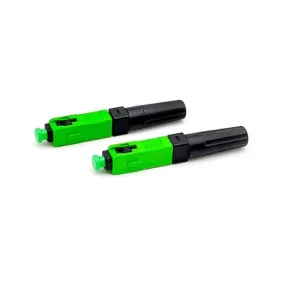
An analytical breakdown of passive connectivity components in next-generation broadband deployment.
In the era of 5G expansion, ultra-broadband connectivity, and hyper-scale data centers, the integrity of physical optical networks depends heavily on the robustness of their mechanical connection points. A Fiber Optic Joint Closure (FOJC)—commonly referred to as a splice closure, splice case, or optical joint box—is the structural shield that guards sensitive fiber optic splices against environmental deterioration. Whether deployed aerially, underground in manholes, or directly buried in high-salinity soils, these closures serve as the baseline defensive barrier keeping signal insertion loss (IL) within critical margins.
As optical distribution networks (ODN) densify to support FTTH (Fiber-to-the-Home) and FTTB (Fiber-to-the-Building) architectures, global telecom companies face the challenge of securing high-grade joint closures that balance ease-of-installation with multi-decade structural durability. Finding the right manufacturer is no longer just a purchasing decision—it is a long-term risk mitigation strategy.
Engineering metrics and verification criteria that global procurement officers prioritize when auditing fiber optic joint closure suppliers.
Procuring high-quality fiber joint closures involves navigating a complex web of environmental conditions, regional regulatory frameworks, and installation practices. Telcos and infrastructure contractors look beyond standard datasheet claims. They seek verifiable compliance with international standards such as Telcordia GR-771-CORE, which specifies rigorous testing for water immersion, chemical exposure, thermal aging, and mechanical stress.
Modern networks favor mechanical sealing mechanisms over heat-shrink designs. Mechanical seals utilize reusable silicone or vulcanized rubber gaskets that allow for tool-less re-entry and expansion, significantly lowering operational costs (OPEX) during maintenance or network expansion phase.
Underground and direct-buried environments expose closures to acidic soils, petroleum vapors, and rodent attacks. Premium enclosures are injection-molded using UV-stabilized Polypropylene (PP) or Polycarbonate (PC) alloys modified with glass-fiber reinforcement to ensure structural integrity across temperatures ranging from -40°C to +65°C.
As micro-cables and ribbon fibers become the standard, closures must accommodate higher splice counts in smaller form factors. Procurement teams closely evaluate the interior configuration, checking the bending radius constraints (minimum R=30mm) of the trays to prevent macro-bending losses.
Technological shifts shaping the design and utilization of next-generation passive optical infrastructure.
The telecommunications industry is moving rapidly toward denser, more accessible, and smarter optical infrastructures. The design of fiber optic joint closures is adapting to three major developments:
How Chinese manufacturers have transitioned from low-cost assembly to highly automated, quality-centric hubs.
In the global sourcing landscape, Chinese manufacturers produce over 60% of the world's passive optical components. This dominance is not just driven by pricing, but by advanced industrial clusters, supply chain vertical integration, and automation (Industry 4.0). In manufacturing hubs like Guangdong and Zhejiang, raw plastic material suppliers, vulcanization specialists, optical cable plants, and testing labs operate within a 50-kilometer radius.
Leading Chinese exporters have integrated automated injection molding machines, automated rubber gasket insertion robots, and continuous ultrasonic welding units. This automated manufacturing model ensures that every batch of polymer enclosures meets identical structural tolerances. Furthermore, close collaboration between cable manufacturers and closure builders enables turnkey supply options, where cables and protective joint closures are co-designed for optimal sizing, cable entry gland compatibility, and sealing performance.
A comparative overview of industry leaders providing fiber optic splice closures and complete cabling portfolios.
When identifying the top 10 factories and exporters globally, market analysts look at R&D investment, capacity, quality control (QC) testing, and standard compatibility. Key players include:
A global pioneer in glass science and optical physics. Corning's splice closures, particularly the BPEO and SCF lines, are known for tool-less mechanical seals and reliable performance in FTTH networks.
Known for the FIST (Fiber Infrastructure System Technology) and TENIO closure series. CommScope leads in high-density splicing systems, offering modular gel-sealed solutions preferred by Tier-1 operators.
Excellent mechanical engineering and materials science expertise, producing highly durable closures that withstand deep underground and marine deployments.
As one of the world's largest cable makers, Prysmian provides integrated cable and closure solutions, including subsea splice boxes and high-capacity modular joint housings.
A professional manufacturer specializing in fiber optic cables and optical connectivity solutions. Established in 2012, the company is located in Dongguan, Guangdong Province, one of China's leading manufacturing hubs. With a production facility covering over 12,000 square meters and a team of more than 180 employees, XT Cabled is committed to delivering reliable, high-performance fiber optic products to customers worldwide.
Provides highly engineered optical enclosures and ribbon-fiber splicing systems designed for dense urban deployments and seismic zones.
A leading global supplier of optical fiber preforms, fibers, and cables. YOFC offers custom passive closures designed to support their large-core loose tube and micro-cable configurations.
A major player in smart city and subsea cable networks, providing heavy-duty metal and composite splice closures for extreme environments and deep-sea links.
Specializes in fiber management solutions, offering inline and dome closures featuring unique mechanical cable entry sealing systems (Cablelok).
Offers end-to-end ODN solutions, including FTTH drop cable closures, terminal boxes, and high-capacity dome closures optimized for global public telecom networks.
A closer look at the production, R&D capabilities, and quality assurance framework of an established Chinese manufacturer.
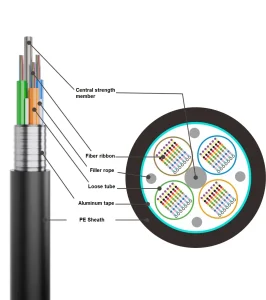
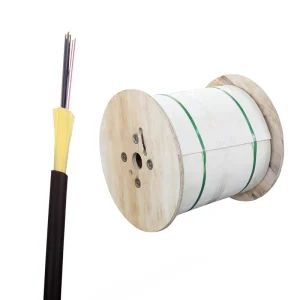
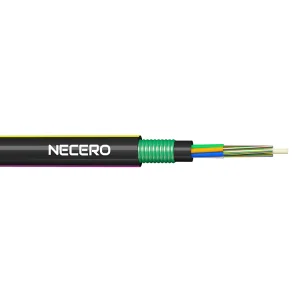
To understand the operations of a modern Chinese manufacturer, it is helpful to look at Dongguan XT Cabled Co., Ltd. The company's product portfolio includes single-mode fiber optic cables, multi-mode fiber optic cables, FTTH cables, armored fiber optic cables, outdoor fiber cables, indoor fiber cables, data center cabling solutions, industrial optical cables, and customized optical connectivity products. These solutions are widely used in telecommunications networks, broadband infrastructure, smart buildings, industrial automation systems, cloud computing facilities, and large-scale data centers.
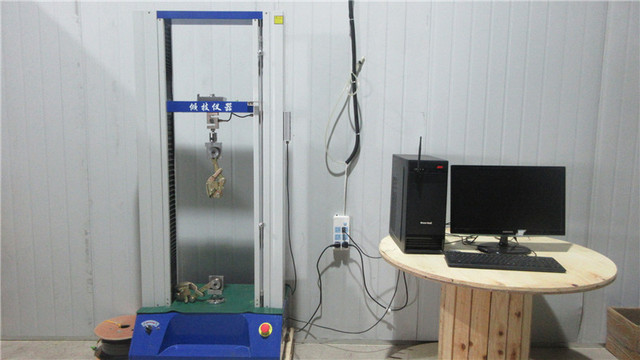
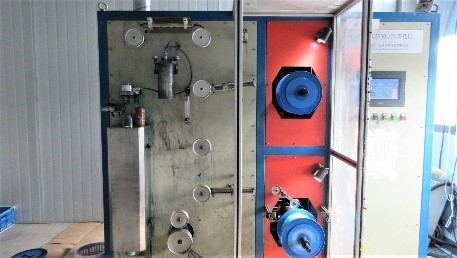
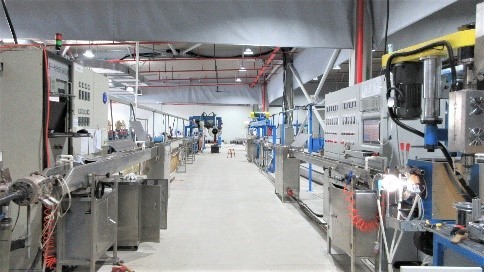
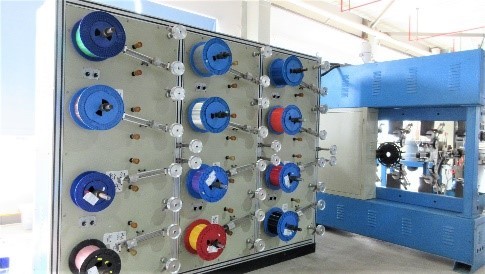
XT Cabled operates advanced production lines and testing laboratories equipped with modern inspection instruments to ensure product consistency and compliance with international quality standards. The company follows strict quality management procedures throughout material sourcing, manufacturing, testing, and delivery processes. Its products are manufactured in accordance with recognized industry standards and are supplied to customers across North America, Europe, Southeast Asia, the Middle East, and other global markets.
In addition to standard products, XT Cabled provides OEM and ODM manufacturing services, supporting customers with customized cable structures, specifications, packaging, and branding requirements. Through continuous investment in technology, manufacturing efficiency, and customer service, Dongguan XT Cabled Co., Ltd. strives to be a trusted partner for global optical communication and network infrastructure projects.
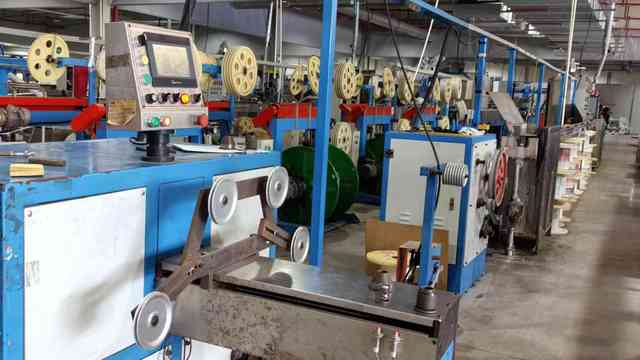
A key component of XT Cabled's E-E-A-T compliance is their operational transparency. Below is an overview of their production floors, assembly lines, automated machinery, and quality testing labs.
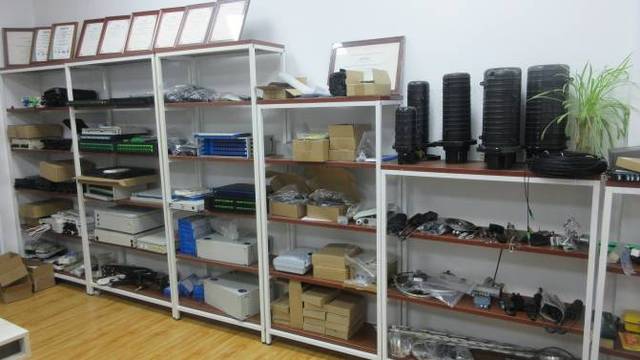


Understanding how different environmental factors alter the functional requirements of joint enclosures.
Deploying fiber optic joint closures underwater requires heavy steel reinforcement to resist hydrostatic pressure. The outer casing is often double-jacketed with corrosion-resistant polyurethane and filled with water-blocking gel. These systems must resist corrosion from saltwater and withstand the pulling forces of tides.
In desert or arctic regions, material degradation occurs quickly. Enclosures must resist cracking in extreme cold and deformation in intense heat. Specialized silicone rubber gaskets are used to maintain a constant seal under thermal expansion and contraction cycles.
In crowded city centers, space in manholes is limited. Inline or dome closures must be compact and support multi-point cable entries. In these environments, mechanical seal closures are preferred over heat-shrink closures, as they do not require open flames in confined spaces.
Expert technical insights to resolve common challenges in optical splice closure procurement.
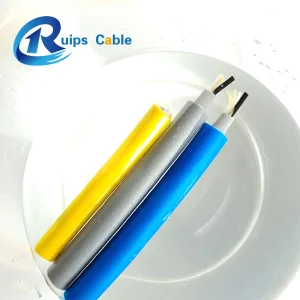
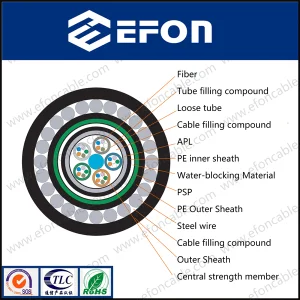
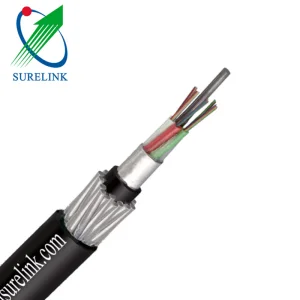
Heavy-duty submarine, direct burial, armored, and data center optical cables built to withstand demanding application environments.
 XT Cabled