China's fiber optic factories, particularly in hubs like Dongguan, benefit from a complete supply chain. From raw silica processing to advanced LSZH (Low Smoke Zero Halogen) jacketing, vertical integration ensures cost-efficiency and rigorous quality control at every stage.
Leading exporters are no longer just "manufacturers"—they are innovators. Investment in G.657.A2 bend-insensitive fibers and MPO/MTP high-density connectivity is driving the global shift toward 400G and 800G data center architectures.
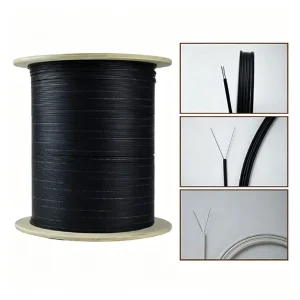
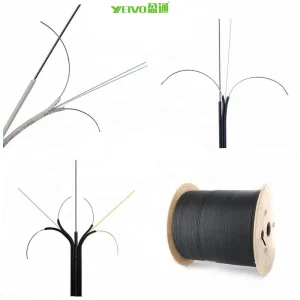
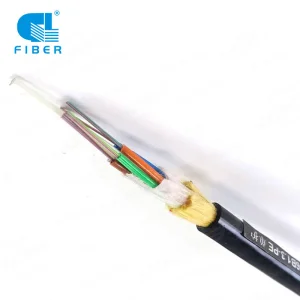
With proximity to major ports like Shenzhen and Guangzhou, China factories offer unparalleled logistics flexibility. Whether it's FTTH drop cables or specialized ADSS cables for power grids, the lead times are optimized for global infrastructure projects.
Information Gain: The global fiber optic market is transitioning from simple bandwidth expansion to "Intelligence at the Edge." As AI workloads demand ultra-low latency, the role of optical fiber has shifted from mere transport to the critical backbone of neural network synchronization.
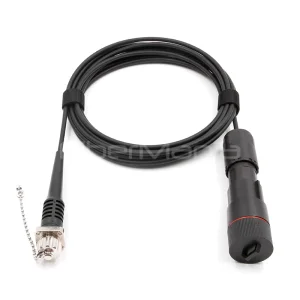
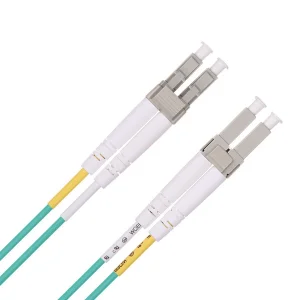
The rollout of 5G ultra-dense small cells requires a massive increase in fronthaul fiber capacity. Specialized FTTA (Fiber-to-the-Antenna) solutions, like our IP67-rated waterproof LC to ODC patch cables, are designed to withstand harsh outdoor environments while providing the 10Gbps+ speeds required for base station RRU/BBU connections.
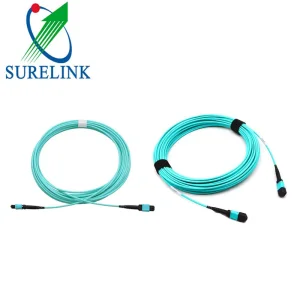
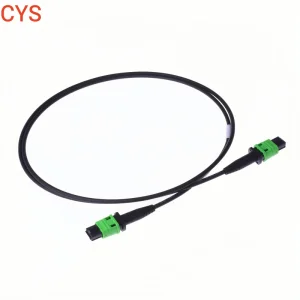
Modern data centers hosting NVIDIA H100/B200 clusters require MPO/MTP trunk cabling with ultra-low insertion loss. High-density ribbon cables and MPO fiber array units are essential for minimizing rack space while maximizing throughput. China factories are leading the way in producing "Low Loss" and "Elite" grade connectors that support 400G/800G transitions.
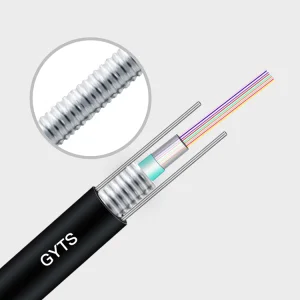
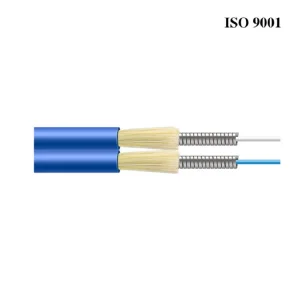
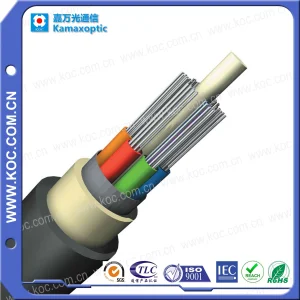
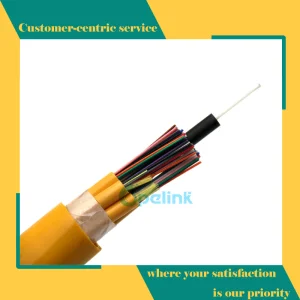
In industrial automation, fiber optics offer immunity to EMI/RFI interference. Armored indoor/outdoor cables are increasingly used in smart factories to connect PLC systems and high-resolution surveillance cameras, ensuring data integrity in electrically noisy environments.
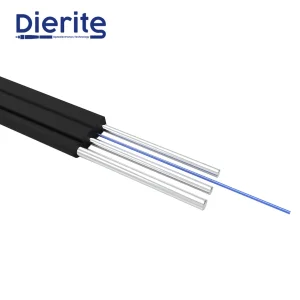
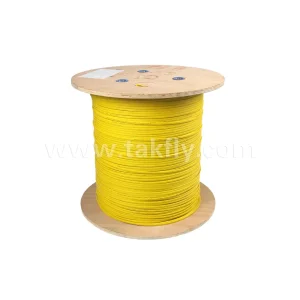
End-to-end FTTH (Fiber to the Home) solutions including drop cables, distribution boxes, and optical splitters for national broadband projects.
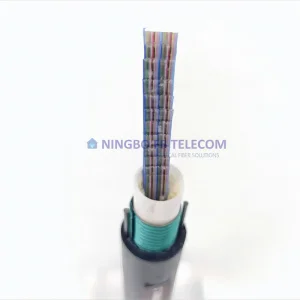
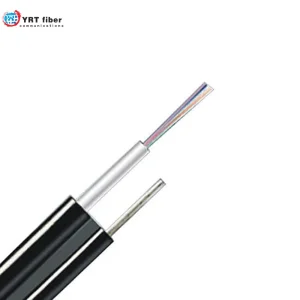
ADSS (All-Dielectric Self-Supporting) and OPGW cables designed for high-voltage power lines, enabling smart grid monitoring and communication.
Specialized flame-retardant (LSZH) cables for railway signaling and ruggedized submarine fibers for offshore wind farm connectivity.
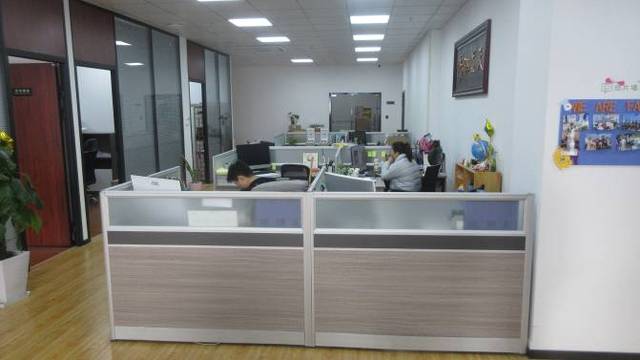
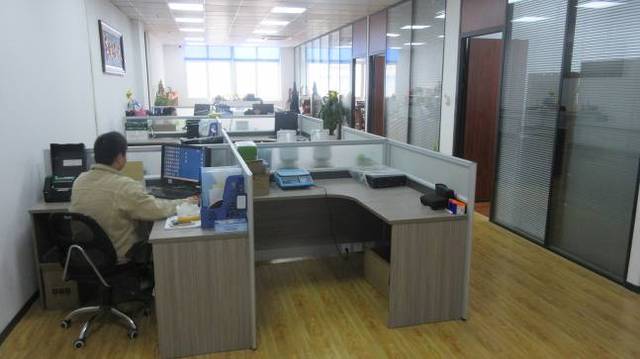
Dongguan XT Cabled Co., Ltd. is a professional manufacturer specializing in fiber optic cables and optical connectivity solutions for industrial, telecommunications, and data center applications. Established in 2012, the company is located in Dongguan, Guangdong Province, one of China's leading manufacturing hubs. With a production facility covering over 12,000 square meters and a team of more than 180 employees, XT Cabled is committed to delivering reliable, high-performance fiber optic products to customers worldwide.
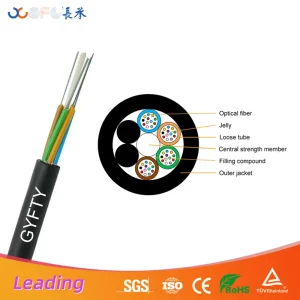
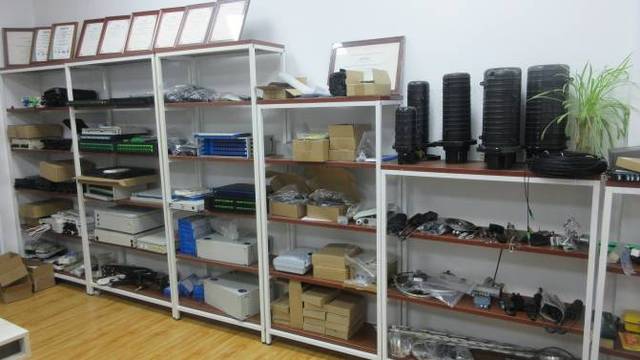
The company's product portfolio includes single-mode fiber optic cables, multi-mode fiber optic cables, FTTH cables, armored fiber optic cables, outdoor fiber cables, indoor fiber cables, data center cabling solutions, industrial optical cables, and customized optical connectivity products. These solutions are widely used in telecommunications networks, broadband infrastructure, smart buildings, industrial automation systems, cloud computing facilities, and large-scale data centers.
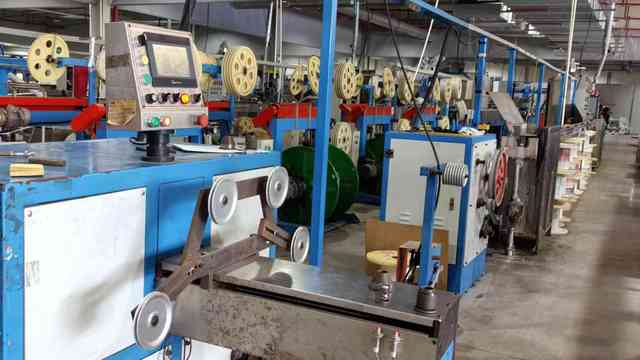
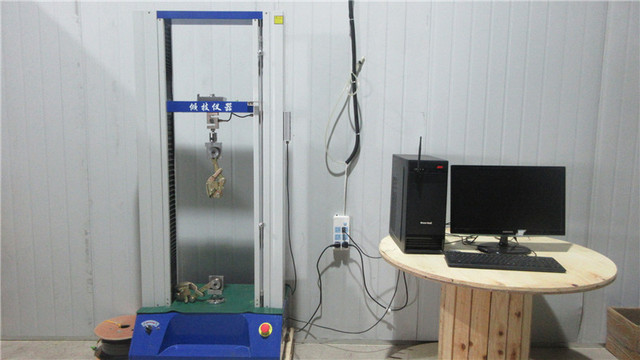
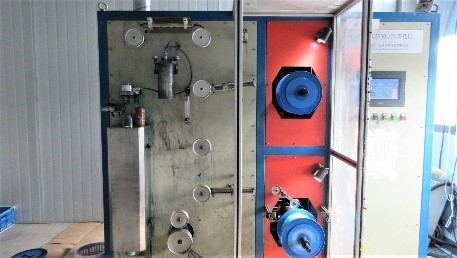
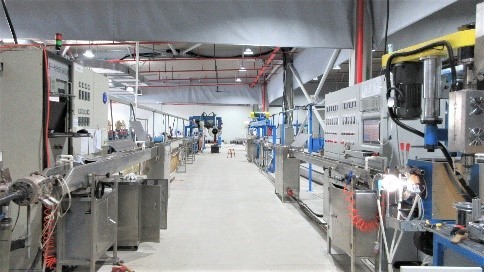
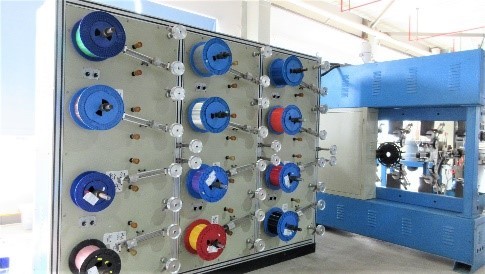
XT Cabled operates advanced production lines and testing laboratories equipped with modern inspection instruments to ensure product consistency and compliance with international quality standards. The company follows strict quality management procedures throughout material sourcing, manufacturing, testing, and delivery processes. Its products are manufactured in accordance with recognized industry standards and are supplied to customers across North America, Europe, Southeast Asia, the Middle East, and other global markets.
In addition to standard products, XT Cabled provides OEM and ODM manufacturing services, supporting customers with customized cable structures, specifications, packaging, and branding requirements. Through continuous investment in technology, manufacturing efficiency, and customer service, Dongguan XT Cabled Co., Ltd. strives to be a trusted partner for global optical communication and network infrastructure projects.
 XT Cabled