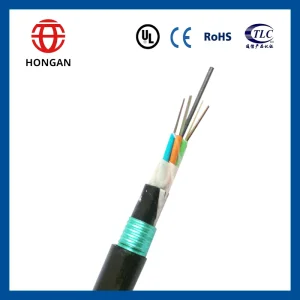
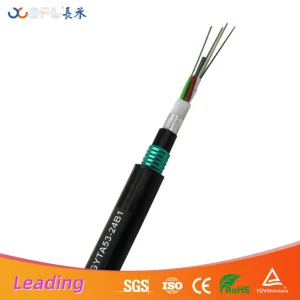
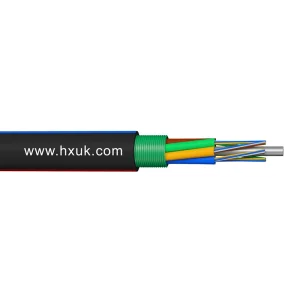
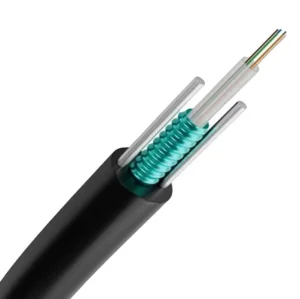
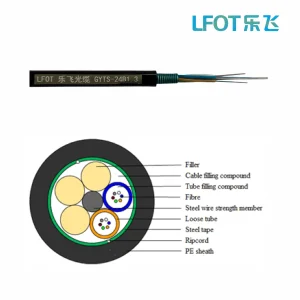
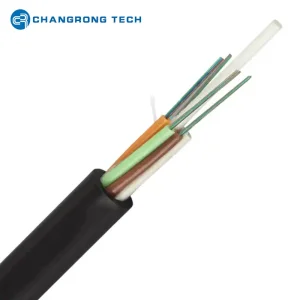
Select, direct-burial and duct-grade fiber optic cables manufactured with premium raw materials to resist mechanical stress and rodent ingress in urban underground networks.
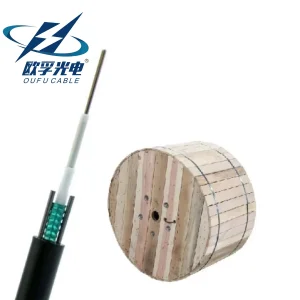
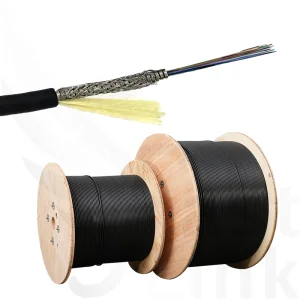
As the political, economic, and industrial capital of Peru, Lima is currently undergoing a massive digital transformation. Driven by national initiatives under PRONATEL (Programa Nacional de Telecomunicaciones) and rapid urbanization, the metropolitan region is expanding its broadband capabilities to accommodate smart city technologies, high-speed FTTH networks, and industrial automation. However, Lima presents unique geographic and environmental challenges that require high-specification armored fiber optic cables.
Sitting along the Pacific Coast, Lima experiences extreme relative humidity levels (often exceeding 95%) and corrosive saline ocean air. Furthermore, the region is highly seismically active, situated along the boundary of the Nazca and South American tectonic plates. Standard non-armored cables are highly susceptible to micro-fractures caused by shifting soil and seismic tremors. Consequently, local telecom providers, government projects, and industrial contractors are increasingly prioritizing double-sheath, corrugated steel tape armored cables to guarantee uninterrupted high-bandwidth performance.
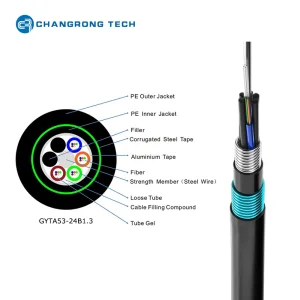
With the development of the Chancay Megaport just north of Lima and the expansion of Jorge Chávez International Airport in Callao, the logistics corridor requires robust fiber optic trunk lines. These lines run parallel to heavy rail and highway corridors, subject to constant vibration and soil compaction. Utilizing premium armored cables, such as GYTA53 and GYTY53 models, ensures that the communication backbones supporting automated customs, container tracking, and terminal operating systems remain resilient against mechanical shock and accidental excavation cuts.
In municipal underground conduits or direct burial applications across Lima, optical fiber cables must withstand vertical mechanical loading and rodent chew-through (specifically from urban rodent populations). Dongguan XT Cabled Co., Ltd. customizes its armored fiber structures to address these exact risk factors.
Typical configurations include:
We source only high-purity silica glass for single-mode (G.652.D, G.657.A1/A2) and multimode (OM2/OM3/OM4) fibers. Our loose tubes are filled with special thixotropic waterproof gel compounds, minimizing attenuation under dynamic temperature ranges. With a nominal outer diameter variance of less than 0.1mm, our cables facilitate fast splicing and minimize connector loss in the field.
Double-jacketed corrugated steel armor ensures physical stability against high vertical soil loads in municipal utility tunnels.
Water-blocking gel and moisture-barrier tapes prevent radial moisture ingress, crucial in Lima’s 95%+ relative humidity.
High-density metallic layers act as a definitive physical barrier against rodent attacks in dense metropolitan conduit ducts.
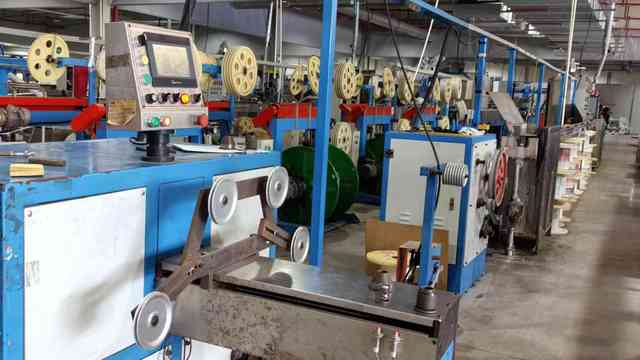
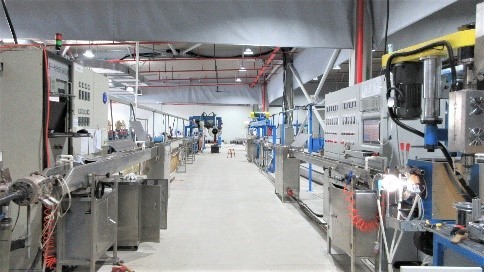
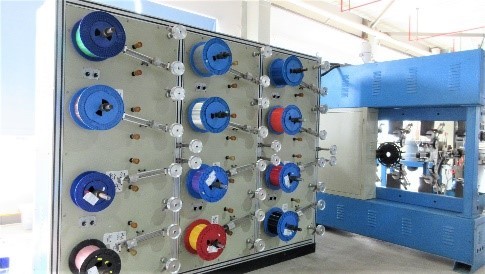
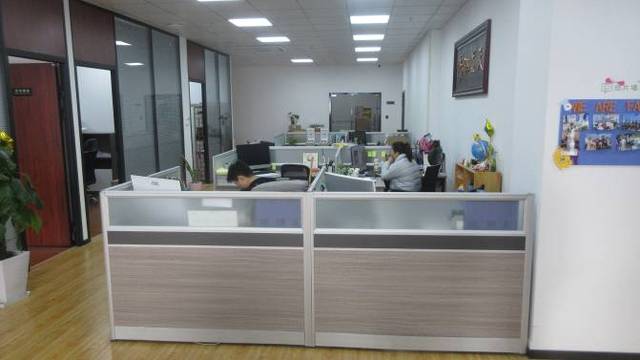
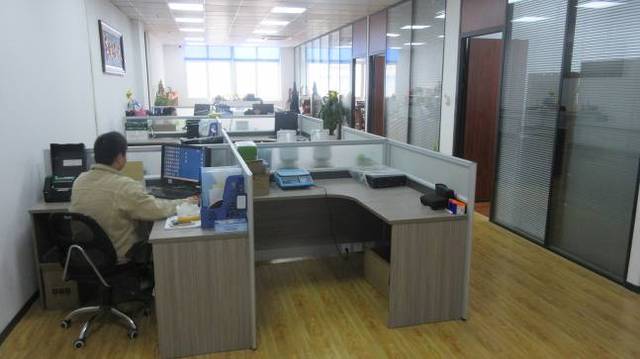
In a globalized procurement model, supply chain resilience is paramount. Dongguan XT Cabled Co., Ltd. (established in 2012 in Dongguan, China) operates a modern 12,000-square-meter facility leveraging advanced automation and Industry 4.0 principles to maintain zero-defect manufacturing.
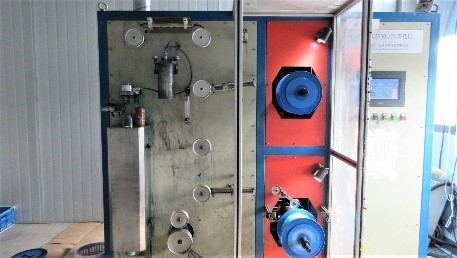
Our Factory 4.0 integration includes real-time tension control on armor-wrapping lines, automatic optical fiber centering monitors during primary buffer coating, and continuous inline laser dimension measurements. By replacing manual oversight with automated sensor feedback, we minimize attenuation drift and outer sheath imperfections. This ensures that every drum of fiber delivered to Callao Port meets exact international standards (ITU-T, IEC, Telcordia GR-20).
Furthermore, our location in the manufacturing hub of Guangdong Province grants us immediate access to high-purity chemical compounds, premium steel tapes, and logistics corridors. This proximity enables XT Cabled to optimize manufacturing lead times, allowing us to supply large-scale infrastructure projects in Lima within highly competitive timelines.
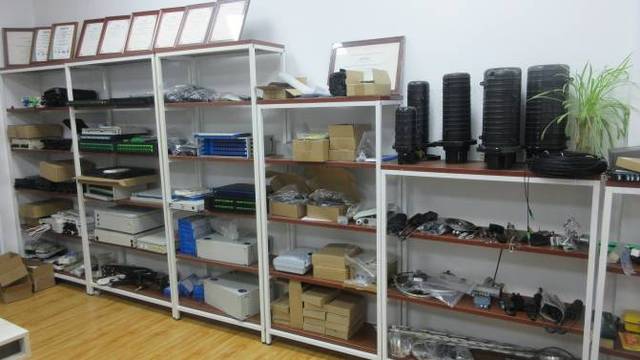
Managing large-scale optical infrastructure rollouts in Peru requires custom manufacturing capabilities. Off-the-shelf fiber cables often fail to address specific local deployment conditions, such as tight micro-ducts in historical districts of Lima Centro or the high tensile forces needed for long-span river crossings in rural sectors. XT Cabled bridges this gap by offering comprehensive OEM and ODM manufacturing services.
Our engineering division designs customized cable structures, including specialized fiber counts (ranging from 1-core to 288-core), hybrid fiber-copper configurations, dry-core moisture-blocking technologies, and custom-jacket branding. We also customize packaging sizes to align with local installation equipment, optimizing handling efficiency and reducing site waste.
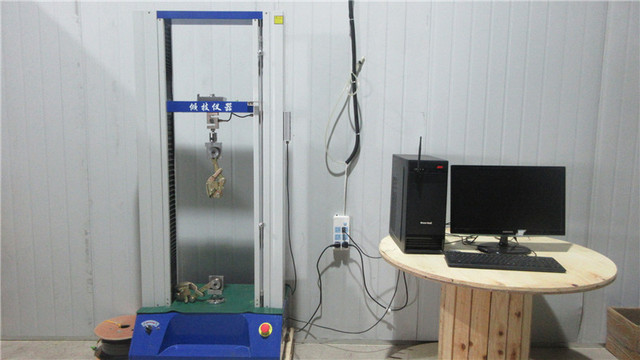
By conducting raw material audits and rigorous mechanical verification tests—including crush, impact, cyclic flexing, and water penetration tests—we ensure that all bespoke cable designs perform consistently throughout their projected lifespan of over 25 years.
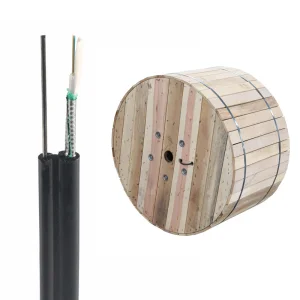
Explore our full line of outdoor armored, self-supporting aerial, and specialized direct-burial optical cables engineered to international standards.
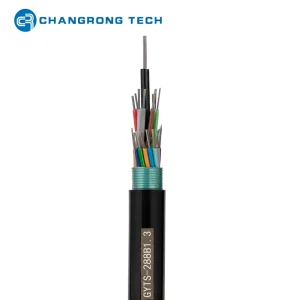
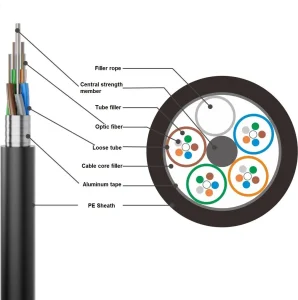
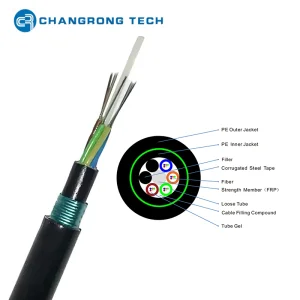
Technical clarifications on international standards compliance, installation criteria, and logistics handling for imports into Peru.
Lima's metropolitan soil consists largely of alluvial fill containing round gravel, which shifts during seismic activity. Standard single-sheath cables risk damage from stone compression. Double-sheath designs (like GYTY53) provide an inner PE jacket that cushions the fibers against the outer corrugated steel armor when subjected to high compressive loads.
Our fiber optic cables are manufactured in compliance with international ITU-T G.652.D, G.655, and G.657 standards. We provide full traceability documentation, including test reports detailing attenuation at 1310nm and 1550nm, geometric tolerances, and tensile performance parameters to streamline local regulatory approval.
Our corrugated steel tapes undergo electrolytic coating treatments to resist oxidation. We utilize high-density polyethylene (HDPE) for outer sheaths, which is highly resistant to saltwater degradation, UV exposure, and environmental stress cracking in coastal areas like Callao and Miraflores.
Standard production cycles range from 15 to 25 days depending on the volume and customization. Sea transit from Shenzhen/Guangzhou ports to Callao Port, Lima generally takes 30 to 35 days. We coordinate closely with local customs clearance agents to ensure smooth delivery.
Yes. The corrugated steel tape armor (typically 0.15mm to 0.25mm thick) acts as a physical barrier that rodents cannot bite through. This makes GYTA/GYTS designs the standard choice for duct networks in high-density urban areas.
Yes. We support custom jet-printing on the outer cable sheath. This includes your brand name, regulatory registration numbers, customized length markings (meters/feet), and project codes, helping to simplify asset management and installation tracing.
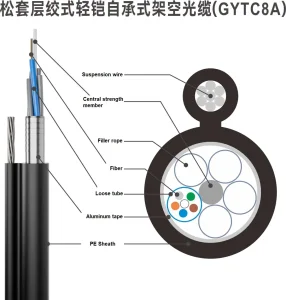
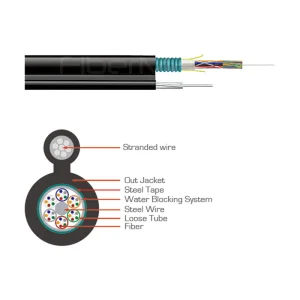
All self-supporting Figure-8 aerial cables (such as GYTC8S) undergo tensile loading tests, wind-tunnel simulation stress tests, and environmental chamber cycling (-40°C to +70°C) to ensure the integrated steel wire messenger handles the mechanical span loads without transferring strain to the internal optical fibers.
We package cables on reinforced wooden or steel-wooden composite drums treated according to IPPC fumigation guidelines. The drum ends are sealed with heat-shrinkable caps to prevent moisture penetration during ocean shipping, and the cable is wrapped in weather-resistant protective sheeting.
 XT Cabled