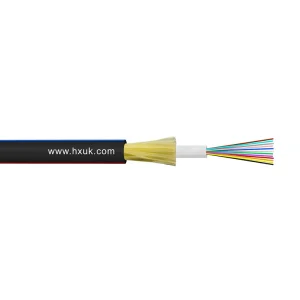
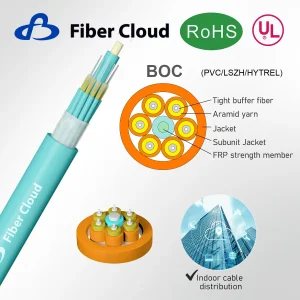
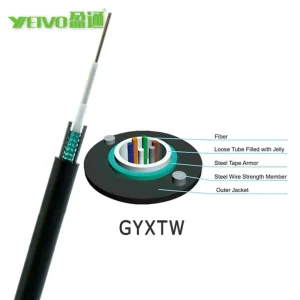
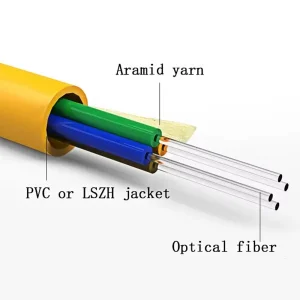
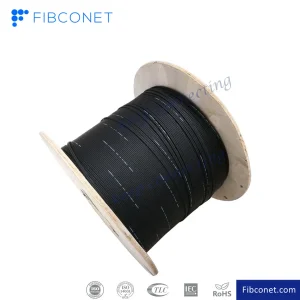
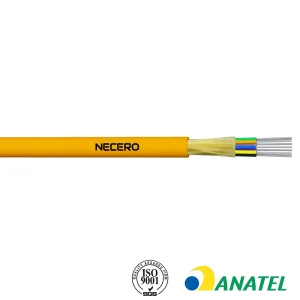
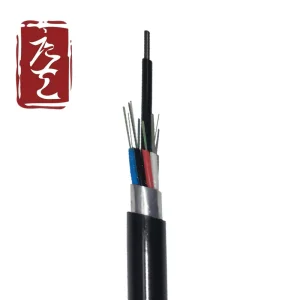
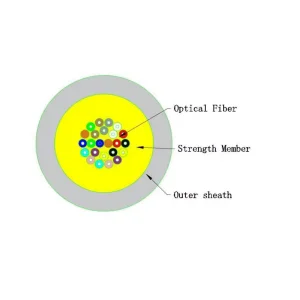
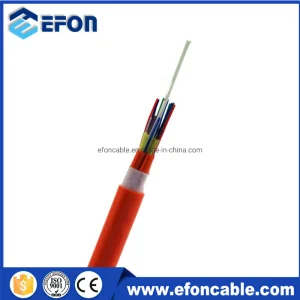
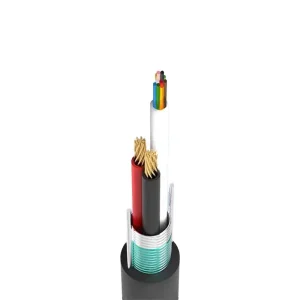
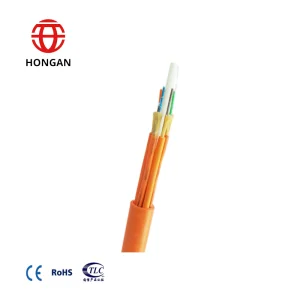
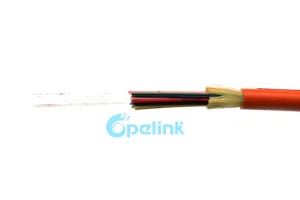
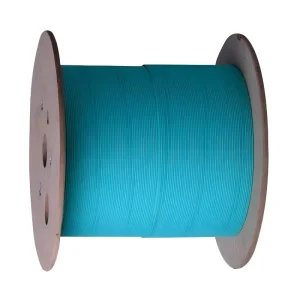
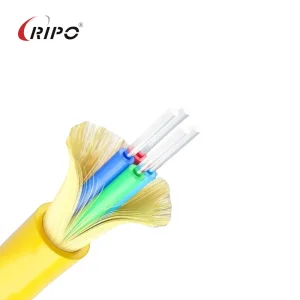
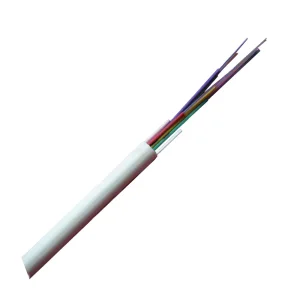
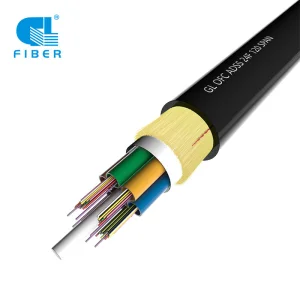
Highly durable single-mode and multi-mode distribution fiber cables engineered for dense urban micro-ducts and local premises.
Rwanda has positioned itself as the pioneering technology hub of East Africa, driving major investments through its Vision 2050 and the National Strategy for Transformation (NST1). From the busy commercial centers of Kigali to rural developmental outposts, broadband connectivity is recognized as a vital utility. The Government of Rwanda, in partnership with private telecommunication leaders such as MTN Rwanda, Airtel Rwanda, and Liquid Intelligent Technologies, has driven the rapid rollout of national fiber optic backbones.
However, extending high-bandwidth fiber from national backbones to municipal sites, commercial offices, cell towers, and multi-dwelling units requires high-integrity distribution fiber optic cables. The local industry demands cables that can endure Rwanda’s unique geographical challenges—characterized by its hilly landscapes ("Land of a Thousand Hills"), high rain rates, and rapid urbanization. Distribution optical cables must be robust enough to withstand aerial installation strain while remaining compact and flexible enough to fit through dense, existing underground micro-ducts in major cities like Kigali, Gisenyi, and Musanze.
As Kigali expands into a smart city infrastructure (Smart Kigali Initiative), optical fiber distribution functions as the nervous system for municipal traffic controls, public security networks, high-density residential FTTH deployments, and enterprise cloud connections within the Kigali Special Economic Zone (KSEZ).
Globally, the optical communication industry is undergoing an intense shift toward miniaturization, higher core counts, and enhanced safety ratings. Traditional tight-buffered distribution cables are giving way to advanced multi-core micro-cables, composite fiber configurations, and strict LSZH (Low Smoke Zero Halogen) formulations to comply with modern green building standards.
Optimized optical distribution cables built to meet international standards for telecom networks and industrial premises.
Rwanda’s geography exhibits steep hills and valleys, high levels of precipitation, and dynamic soil shifts. Standard telecommunication cables designed for flat terrains often degrade prematurely due to cable tension, moisture ingress, or dynamic ground movement. Therefore, selecting the correct optical structural design is critical:
Because underground civil works are highly expensive and disrupt traffic in urban zones like Gasabo and Nyarugenge, aerial installation is highly favored. Dynamic self-supporting (ADSS) cables are ideal here, avoiding electrical interference by running alongside high-voltage power lines. Where direct burial or rocky micro-duct routes are utilized, double-armored distribution cables provide reliable defense against rodent activity and mechanical crushing.
In Kigali's high-rise business developments, cabling routes are often congested. Small-diameter tight-buffered cables with G.657.A2 fibers allow installation around tight bends without increasing optical attenuation. Utilizing LSZH (Low Smoke Zero Halogen) sheathing is critical to ensure human safety in enclosed multi-occupancy structures.
| Cable Selection Criteria | G.652.D Single-Mode | G.657.A1/A2 Bend-Insensitive | OM3 / OM4 Multi-Mode |
|---|---|---|---|
| Primary Target Application | Long-distance Backhaul / Metro Trunk Links | FTTX Drop Cables, Enterprise Risers, Small Ducts | High-speed Data Centers, Local Area Networks (LAN) |
| Bend Radius Minimum | 30 mm (Standard) | 7.5 mm to 10 mm (Superior flexibility) | 15 mm |
| Attenuation Limit (1310 / 1550nm) | ≤ 0.35 / 0.21 dB/km | ≤ 0.38 / 0.23 dB/km | ≤ 3.0 / 1.0 dB/km (850 / 1300nm) |
| Mechanical Crush Resistance | Moderate (Depends on Armoring) | Excellent under severe physical routing | Moderate to High |
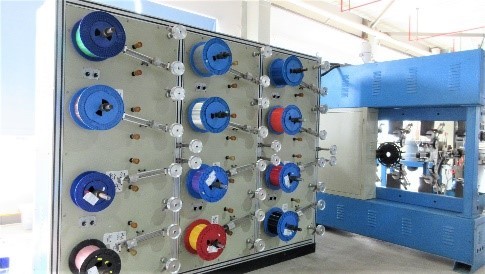
Dongguan XT Cabled Co., Ltd. enforces rigorous end-to-end quality control to verify compliance with international and regional telecommunication standards. From raw glass inspection to testing finalized jacket tensile strength, our manufacturing protocols are aligned with criteria required by carriers globally:
With over 12,000 square meters and modern testing labs, we deliver reliable, high-performance optical networks globally.
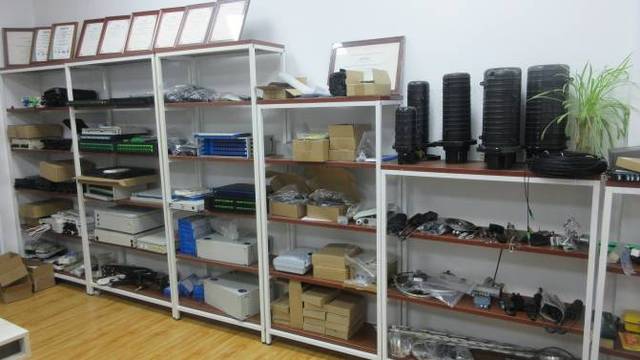
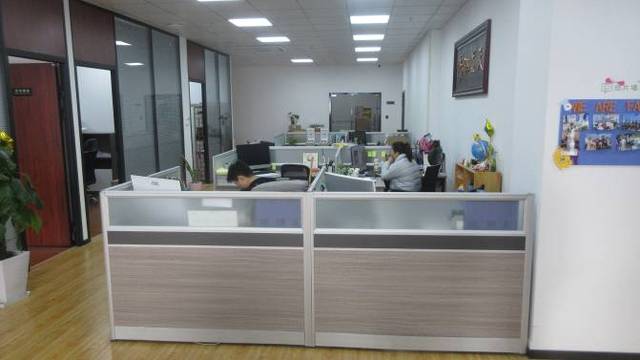
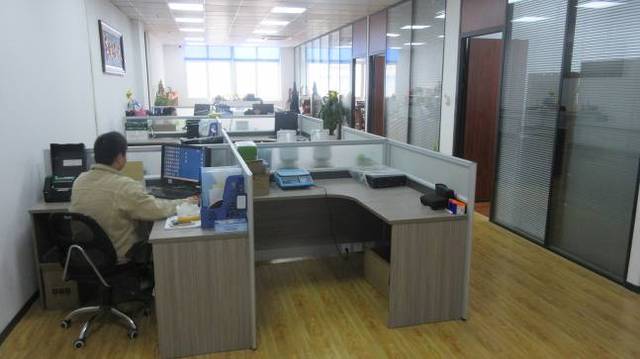
Dongguan XT Cabled Co., Ltd. is a professional manufacturer specializing in fiber optic cables and optical connectivity solutions for industrial, telecommunications, and data center applications. Established in 2012, the company is located in Dongguan, Guangdong Province, one of China's leading manufacturing hubs. With a production facility covering over 12,000 square meters and a team of more than 180 employees, XT Cabled is committed to delivering reliable, high-performance fiber optic products to customers worldwide.
The company's product portfolio includes single-mode fiber optic cables, multi-mode fiber optic cables, FTTH cables, armored fiber optic cables, outdoor fiber cables, indoor fiber cables, data center cabling solutions, industrial optical cables, and customized optical connectivity products. These solutions are widely used in telecommunications networks, broadband infrastructure, smart buildings, industrial automation systems, cloud computing facilities, and large-scale data centers.
XT Cabled operates advanced production lines and testing laboratories equipped with modern inspection instruments to ensure product consistency and compliance with international quality standards. The company follows strict quality management procedures throughout material sourcing, manufacturing, testing, and delivery processes. Its products are manufactured in accordance with recognized industry standards and are supplied to customers across North America, Europe, Southeast Asia, the Middle East, and other global markets.
In addition to standard products, XT Cabled provides OEM and ODM manufacturing services, supporting customers with customized cable structures, specifications, packaging, and branding requirements. Through continuous investment in technology, manufacturing efficiency, and customer service, Dongguan XT Cabled Co., Ltd. strives to be a trusted partner for global optical communication and network infrastructure projects.
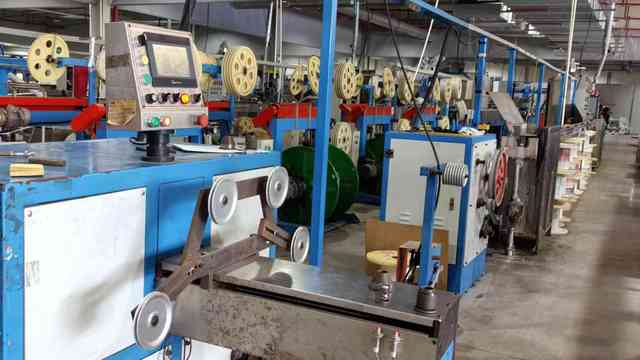
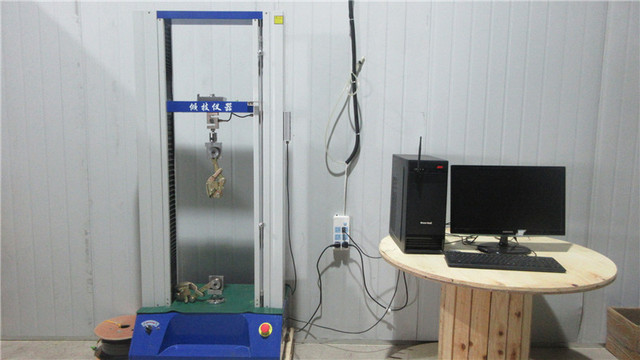
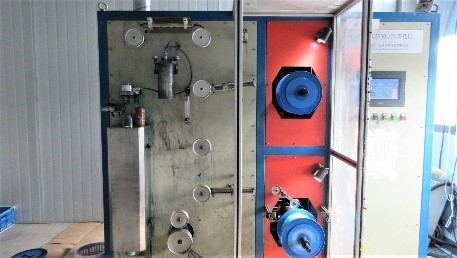
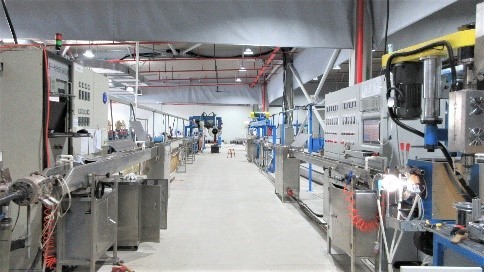
Full selection of distribution, armored, drop, and multi-core fiber options with verified global certifications.
Building high-speed network topologies across East Africa involves combining suitable passive optical hardware with target applications. At XT Cabled, we customize core attributes to fit specific local scenarios:
Data transmission demands robust, low-latency, and high-density channels. Using OM3/OM4 tight-buffered distribution cables supports high-speed data transmission over short to medium distances, handling up to 100G Ethernet demands inside high-density server environments.
Deploying smart infrastructure across Nyarugenge and Gasabo requires integrating fiber distribution with municipal security grids. Our G652D armored distribution cables provide reliable outdoor protection against rodent and water hazards, securing uninterrupted signal transmission for city-wide cameras and sensor networks.
For residential distribution in Musanze or Huye, our FTTH drop cables and GJFJV mini round cables allow operators to drop high-speed lines from local hubs into homes with ease. Using high-flexibility ITU-T G.657.A2 fibers ensures clean, easy installations in residential hallways and tight conduit configurations.
Find answers to common technical and logistical questions about selecting, deploying, and maintaining distribution fiber in Rwanda.
For indoor riser and tight structural routings, we recommend the ITU-T G.657.A2 bend-insensitive single-mode fiber standard. It features a minimum bend radius of 7.5mm to 10mm, preventing signal loss around tight corners and ensuring reliable performance in complex building layouts.
LSZH (Low Smoke Zero Halogen) sheathing is crucial for indoor safety. In the event of a fire, LSZH jackets emit minimal smoke and zero toxic acid gases, preventing dangerous inhalation hazards and protecting sensitive telecom hardware from acid corrosion.
Our outdoor and indoor/outdoor distribution cables incorporate advanced moisture barriers, dry water-blocking materials, and weather-resistant PE or LSZH outer jackets. This prevents moisture ingress and ensures long-term operational stability in tropical climates.
Yes. We offer comprehensive OEM/ODM manufacturing, including custom fiber counts (from 2 up to 144 cores), custom outer jacket branding, special length spooling, and tailored jacket options (LSZH, Plenum, or Armored) designed to meet your specific project needs.
For standard distribution cables, our production lead time is typically 10 to 15 days. Shipping to Kigali, Rwanda, is managed through major ports like Dar es Salaam or Mombasa, followed by overland transport, taking approximately 30 to 40 days total to reach your project site.
 XT Cabled