Colombia is currently undergoing a massive digital transformation, driven by the "Vive Digital" initiative and the aggressive rollout of 5G networks in major urban centers like Bogotá, Medellín, and Barranquilla. As one of the most dynamic telecommunications markets in South America, the demand for robust, weather-resistant, and high-capacity Loose Tube Fiber Cables has reached an all-time high.
Annual Growth in FTTH Deployment
Full Compliance Standards
Municipal Smart City Projects
In densely populated cities like Bogotá, traditional cabling is often restricted by space. Our Air Blown Microduct cables provide the perfect solution for retrofitting historical districts without major excavation.
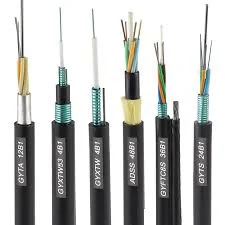
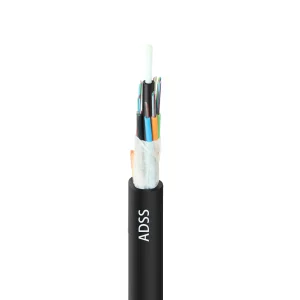
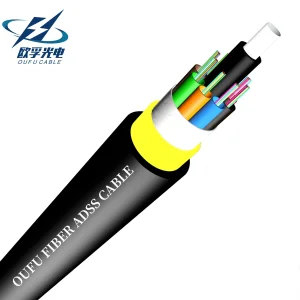
Colombia’s varied terrain—from the humid Amazon basin to the high-altitude Andes—requires cables with superior tensile strength and moisture protection. Our ADSS (All-Dielectric Self-Supporting) cables are designed specifically to withstand these extreme environmental stressors.
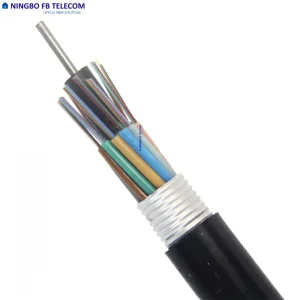
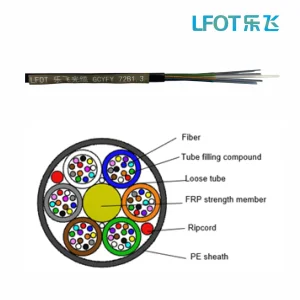
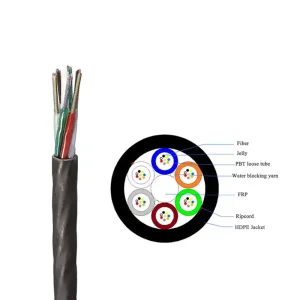
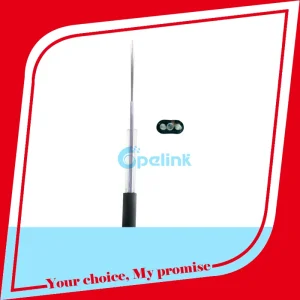
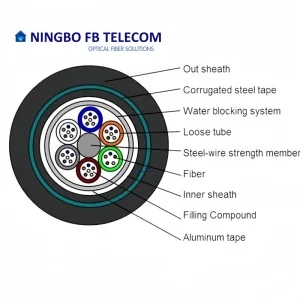
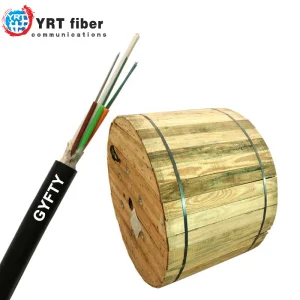
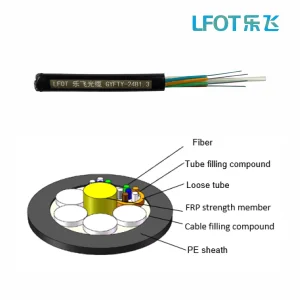
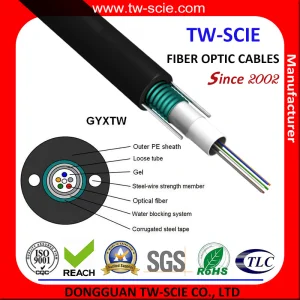
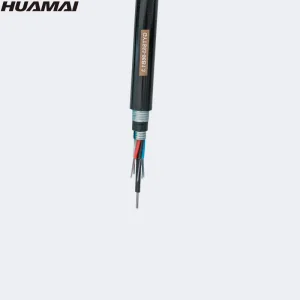
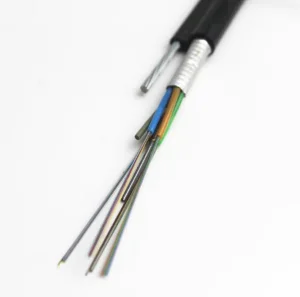
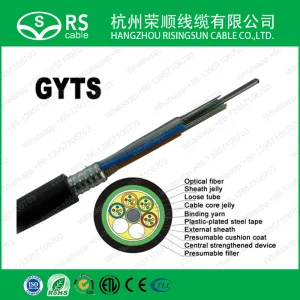
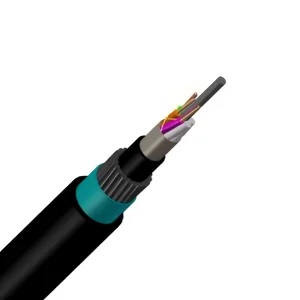
For large-scale outdoor deployments in Colombia, the Loose Tube design is the industry gold standard. Unlike tight-buffered cables, loose tube cables house optical fibers within small, semi-rigid tubes. These tubes are typically filled with a thixotropic gel, providing a "floating" environment for the fibers.
Standard cables often fail in high-humidity regions like Chocó or the Caribbean coast due to water ingress. Our cables utilize Dry Core Technology or Advanced Gel-Filling that exceeds IEC 60794 standards, ensuring a 25-year operational lifespan even in Colombia’s tropical climates.
Procurement directors at companies like Claro, Movistar, and ETB are shifting their focus toward:
For the Ecopetrol-led energy sector, we provide stainless steel armored loose tube cables that resist chemical corrosion and rodent attacks in remote pipeline areas.
Our GYFXTY-FL and Drop Cables are optimized for the "last mile" in residential areas of Envigado and Chia, offering easy installation for local ISPs.
Supporting the "Centros Digitales" project, our long-span ADSS cables connect rural schools in the Guajira and Putumayo regions where traditional towers are scarce.
Dongguan XT Cabled Co., Ltd. is a professional manufacturer specializing in fiber optic cables and optical connectivity solutions for industrial, telecommunications, and data center applications. Established in 2012, the company is located in Dongguan, Guangdong Province, one of China's leading manufacturing hubs.
With a production facility covering over 12,000 square meters and a team of more than 180 employees, XT Cabled is committed to delivering reliable, high-performance fiber optic products to customers worldwide. We provide OEM and ODM manufacturing services, supporting customers with customized cable structures, specifications, packaging, and branding requirements.
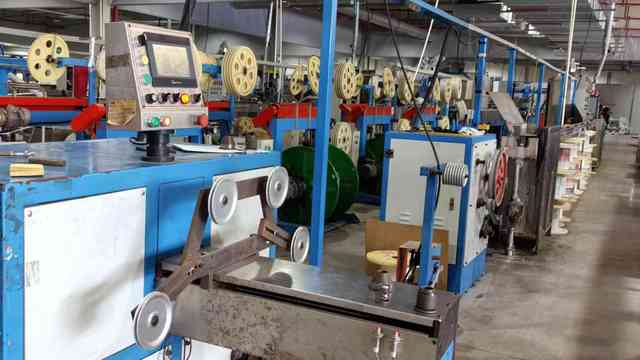
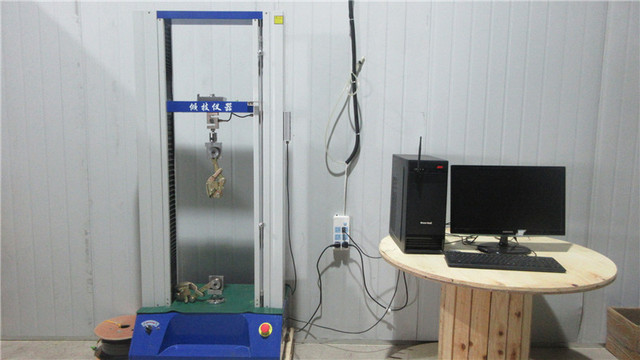
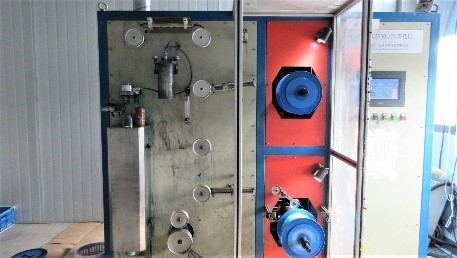
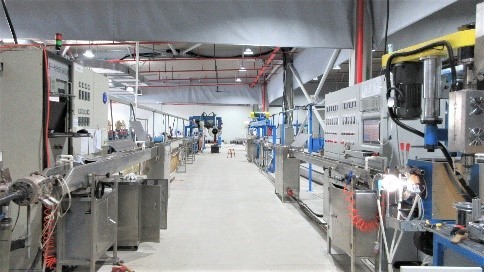
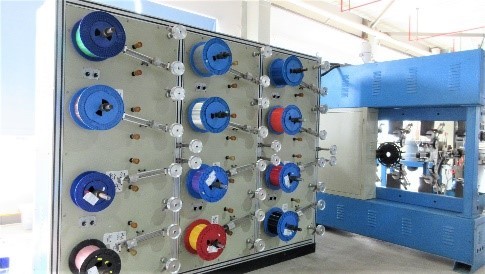
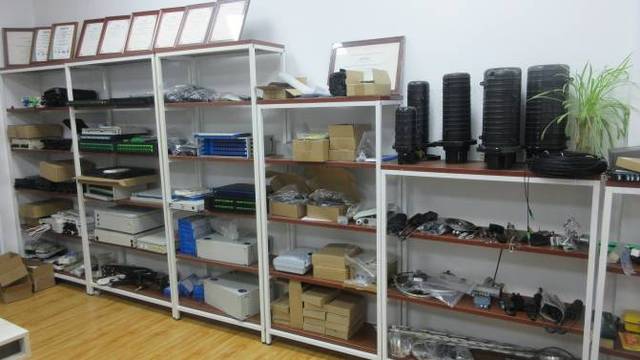
As we look toward 2030, XT Cabled is integrating AI-driven manufacturing to improve the precision of fiber drawing and tube concentricity. In Colombia, this translates to cables that have significantly lower signal attenuation over the long distances required to cross the Magdalena River or the Amazon basin.
While 5G is the current focus, our G.657.A2 fibers are already being deployed in high-density areas of Medellín to support the future latency requirements of 6G and IoT-enabled agriculture.
Yes, all cables exported to the Colombian market are manufactured to meet or exceed the Technical Regulations for Electrical Installations (RETIE) and international IEC/TIA standards, ensuring legal compliance and safety for public works.
Standard production takes 15-20 days, with transit times from our Dongguan facility via Shenzhen/Guangzhou ports to Cartagena usually taking 30-35 days, depending on shipping line availability.
Absolutely. We offer full OEM services, including custom jacket printing (e.g., "Property of [Your Company]"), meter marking in Spanish, and specialized drum packaging to withstand tropical transit.
ADSS (All-Dielectric Self-Supporting) is preferred because it contains no metal components, allowing it to be installed on existing high-voltage power lines without the need for a messenger wire, significantly reducing installation costs in rugged terrains.
 XT Cabled